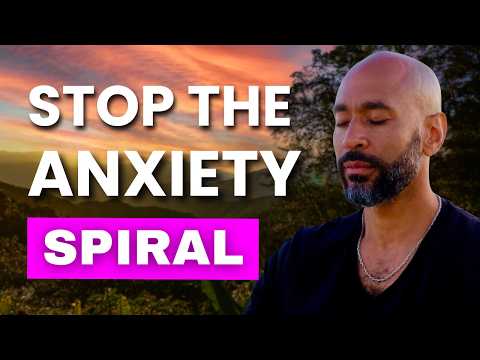
Hey there! So, you know those days when your mind just won’t shut up? Yeah, we’ve all been there. It’s like a never-ending cycle of worries and what-ifs, right?
Well, I’ve got something that might help. Just one hour of meditation can make a world of difference for your anxious brain. Seriously.
Imagine giving yourself permission to pause, breathe, and just… be. Sounds nice, huh?
You don’t need to be a meditation expert or anything fancy. Just bring yourself and some comfy vibes. Let’s calm that mind together!
Embracing the Present: Effective Strategies for Living in the Moment with Anxiety
Living in the moment can feel like a real challenge, especially when anxiety has decided to crash your party. You know that feeling? You’re at a gathering with friends, but your mind is already racing about an email you forgot to send or whether you left the stove on. But embracing the present isn’t just a nice idea—it’s something you can work on. Here’s how.
First off, mindfulness is a game-changer. It’s all about being fully aware of what’s happening now, without worrying about what might come next. You can start with simple breathing exercises. Just take a few minutes to focus on your breath—feel it going in and out. Seriously, give it a shot right now! Close your eyes for just a moment and take three deep breaths; you’ll feel more grounded.
And then there’s grounding techniques. These are super handy when anxiety kicks in hard. One popular method is the 5-4-3-2-1 technique, where you notice:
- Five things you can see.
- Four things you can touch.
- Three things you can hear.
- Two things you can smell.
- One thing you can taste.
This helps bring your focus back to the here and now instead of getting lost in those spiraling thoughts.
Next up: distracting yourself. It sounds counterintuitive because we often think we need to face our feelings head-on. But sometimes, the best way to deal with anxiety is to divert our attention for a bit. Put on your favorite playlist or read that book you’ve been meaning to dive into—anything that pulls your focus away from anxious thoughts.
Another cool approach is using meditation. There are tons of apps and resources available these days (like those hour-long meditation sessions for anxiety relief). They guide you through calming visualizations or simply help quiet your mind. Give yourself permission to just be still; it doesn’t have to be perfect!
Having rituals also helps establish consistency in living in the moment. Try designating time each day for yourself—whether it’s sipping tea on your porch or journaling about your day. Making these moments special gives them added significance.
And hey, if you’re struggling with certain thoughts that just won’t let go, don’t hesitate to talk it out with someone—a friend, family member, or therapist. They might offer insights or strategies that resonate with you.
So remember: embracing the present isn’t an overnight journey; it takes practice and patience. Be kind to yourself along the way! If one technique doesn’t work today, maybe it will tomorrow—or perhaps another method will suit you better as time goes on.
With every step towards mindfulness and presence, you’re not only helping ease anxiety—you’re creating space for peace and clarity amid life’s chaos!
Exploring the Link Between Meditation and Blood Pressure: Can Mindfulness Lower Your Numbers?
Meditation has become a buzzword in the health world, especially when it comes to managing stress and, you guessed it, blood pressure. A lot of folks wonder if mindfulness practices can actually help lower those numbers. Let’s dig into this a bit.
First off, what’s the deal with blood pressure? Basically, it’s the force of your blood pushing against the walls of your arteries. High blood pressure—often called hypertension—can lead to serious stuff like heart disease or stroke. So keeping those numbers in check is super important for your overall health.
Now, meditation, particularly mindfulness meditation, is all about bringing your attention to the present moment. You focus on things like your breath or bodily sensations. The idea is to calm your mind and chill out a bit. And here’s where the connection comes into play: stress can raise your blood pressure. So if meditation helps reduce stress, it could potentially help keep those numbers down.
Research suggests that practicing mindfulness regularly might lower blood pressure over time. Here are some key points about how meditation can impact blood pressure:
- Reduces Stress: Mindfulness meditation promotes relaxation and helps you cope better with stress.
- Improves Heart Health: Studies indicate that people who meditate often have better heart health indicators.
- Encourages Healthy Lifestyle Choices: Mindfulness can make you more aware of what you eat and how much you move around.
I remember a friend who struggled with anxiety. He tried everything from medication to yoga but nothing seemed to click until he gave meditation a real shot. After sticking with it for a few months, he told me something amazing—his doctor noticed his blood pressure had dropped significantly! It was pretty wild to see how much calmer he felt too.
So while not everyone will experience the same results, adding mindfulness practice into your routine could definitely lead to some positive changes in both mental state and physical health.
That said, don’t toss out any prescribed medications just yet! Meditation should be viewed as a complementary tool rather than a complete replacement for medical treatment when dealing with high blood pressure.
In short, incorporating regular mindfulness meditation could potentially help lower your blood pressure by reducing stress and fostering healthier habits. So why not give it a try? It’s all about finding those moments of peace amidst life’s chaos!
Transform Your Mind: 1-Hour Guided Meditation to Alleviate Anxiety and Find Peace
Meditation is like a magical little tool for your mind. Seriously, it can help you chill out when anxiety hits. If you’re considering a one-hour guided meditation to ease that anxious feeling, here’s the lowdown.
First up, what’s guided meditation? Well, it’s when someone leads you through the process. This could be a soothing voice on a recording or in a class. They help you focus, breathe deeply, and visualize calming scenes. You just have to sit back and follow along. It’s way easier than trying to do it solo.
Now, why an hour? Seems like a lot of time but trust me, an hour gives you the chance to really settle in. The first few minutes might feel fidgety as your brain races with thoughts like “Did I turn off the stove?” or “What’s for dinner?” But that’s totally normal! As you breathe and listen to the guide, those thoughts start to drift away.
During the session, there’s usually some deep breathing exercises involved. You might hear something like: “Inhale slowly through your nose… hold… now exhale through your mouth.” This rhythmic breathing helps slow down your heart rate and calms that pesky anxiety response in your body.
One important part of meditation is mindfulness. It’s basically paying attention to what’s happening right now without judgement. So rather than getting stuck in those anxious thoughts about tomorrow’s big meeting or last week’s awkward moment at dinner, you’re encouraged to notice how your feet feel on the floor or the sound of birds outside.
Don’t be surprised if you start feeling some feelings during this hour. Sometimes people cry or just feel weirdly emotional—it’s all good! In fact, processing those feelings can help clear out some mental clutter.
Another neat aspect is visualization. Picture yourself somewhere peaceful—maybe lying on a beach or walking through a quiet forest. The guide might talk you through these kinds of settings while encouraging you to feel every detail: the warmth of the sun on your skin or the sound of waves lapping at your feet. It helps transport your mind away from anxiety!
And here’s another cool thing: studies show that even just one hour of meditation can reduce feelings of stress and improve mood significantly! It’s like giving yourself an emotional spa day without leaving home.
To wrap it up, taking that time for yourself with an hour-long guided meditation can be super beneficial for anyone wrestling with anxiety. Just remember: some days will feel easier than others as you make this practice a regular part of life—but every minute counts towards finding that peace we all crave!
So if you’re looking to calm that racing mind and alleviate anxiety? Give it a shot! Who knows? You might just find more peace than you’ve felt in ages.
Alright, so let’s chat about meditation and how it can be a game changer for anxiety relief. You know, life can be super chaotic sometimes—like you’re juggling a million things at once. I remember this one day when I was just overwhelmed. Work was piling up, personal stuff was acting up, and my mind wouldn’t shut off. It felt like a hamster wheel that just wouldn’t stop spinning!
Then someone suggested I try meditation for an hour. At first, I thought, “An hour? Seriously?” But there was something about the idea that intrigued me. So I gave it a shot, you know? It wasn’t easy at first. My mind raced with thoughts—what’s for dinner? Did I forget to send that email? But after a bit of time, something clicked.
Meditation is like pressing the pause button on all that noise in your head. You start to focus on your breath—just following it in and out—and slowly those anxious thoughts drift away like clouds being blown by the wind. Seriously! You realize that those racing thoughts don’t define you.
Eventually, I found myself more in the moment rather than bogged down by worries about what might happen tomorrow or next week. It’s like getting a little mental detox! When I popped back into reality after my session, everything felt lighter, more manageable.
Now look, meditating isn’t some magical solution that will wipe away all your problems overnight – but it’s definitely a tool you can use in your toolkit against anxiety and stress. Even dedicating just one hour can give you a little slice of peace amidst life’s craziness.
So if you’re feeling anxious or just need to chill out for a bit, maybe give meditation some consideration? Who knows? It might become your go-to escape too!