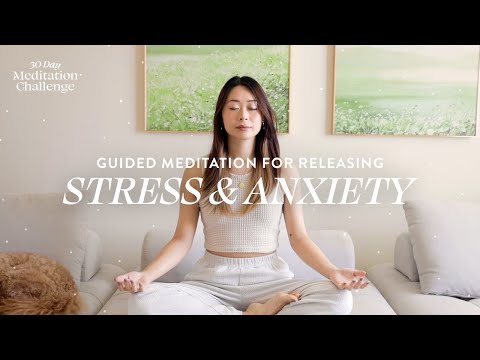
Hey, you know those mornings when you wake up feeling like the weight of the world is on your shoulders? Seriously, it happens to everyone.
Sometimes life just throws way too much at us. And before we even get out of bed, our minds start racing with worry. Ugh, right?
But what if I told you that spending just ten minutes in the morning could help ease all that anxiety?
Meditation might sound a bit out there, but trust me, it doesn’t have to be complicated. Just a few calm moments for yourself can really change your day. Ready to give it a shot? Let’s dive in!
Quick Calm: 10-Minute Techniques to Ease Anxiety Instantly
Anxiety can be a real pain in the neck, right? You wake up, and boom! Your mind starts racing. It’s like a hamster on a wheel, only it just won’t stop. But the good news is there are some quick techniques you can use to find that inner peace—even if it’s just for 10 minutes.
Deep Breathing is one of the simplest and most effective ways to calm your mind. Find a comfy spot—maybe on your bed or a cozy chair. Close your eyes and take a deep breath in through your nose for four counts, hold it for four counts too, then exhale slowly through your mouth for six counts. Seriously, doing this just a few times can really shift your focus away from those anxious thoughts.
You could also try Grounding Techniques. They’re great when you’re feeling overwhelmed. One method is the 5-4-3-2-1 exercise: Identify five things you can see, four you can touch, three you can hear, two you can smell, and one you can taste. This pulls you back into the moment, making everything feel less heavy.
Another cool trick is Mindful Meditation. Just sit quietly and pay attention to your breathing or focus on how your body feels against the chair. If thoughts creep in—because they will—acknowledge them without judgment and then gently bring your focus back. It’s all about practicing that gentle redirection.
You might also find Visualization helpful! Picture yourself in a calm place—a serene beach or a quiet forest. Imagine every detail: the sound of waves crashing or birds chirping and how relaxed it makes you feel. It’s like taking a mini-vacation without ever leaving home.
And hey, music isn’t just for concerts! Listening to soft tunes—like classical or nature sounds—can soothe anxiety too. Try putting on some calming music while practicing any of these techniques; it’s like adding whipped cream to your coffee!
Finally, don’t underestimate the power of Aromatherapy. Get yourself some essential oils like lavender or chamomile. Just sniffing them or applying them (if they’re safe for skin) while doing deep breathing or meditation can enhance relaxation levels.
In just ten minutes each day using these methods, you could carve out some serious peace from the chaos around you. So next time anxiety hits hard in the morning or whenever—it doesn’t have to win! You’ve got tools right at your fingertips to turn things around quickly. And remember: You’re not alone in feeling this way; many folks are navigating similar emotions every day.
Exploring the Connection: Can Tylenol Help Alleviate Anxiety?
When we think about anxiety, our minds usually go straight to therapy, meditation, or maybe even medication. But can something as simple as Tylenol help? Well, let’s unpack that.
Anxiety is that pesky feeling of unease or worry that can sometimes hit you like a ton of bricks. The thing is, it doesn’t just mess with your mind; it takes a toll on your body too. You might feel tightness in your chest or a racing heartbeat. Not fun, right? Some folks look for relief through various methods, including meditation and over-the-counter pain relievers like Tylenol.
Now here’s where it gets interesting. Research has shown that acetaminophen (the stuff in Tylenol) can have effects beyond just reducing pain. A few studies suggest it might help ease emotional distress as well. It seems to dampen the brain’s response to negative emotions. Basically, when you take Tylenol, it might help lower your overall emotional pain levels.
But could this be a game-changer for anxiety? Well, there isn’t a ton of solid evidence backing this idea yet. Most studies focus more on emotional pain rather than straight-up anxiety disorders.
You know how morning meditation is all about finding peace and grounding yourself? It actually works by changing how your brain responds to stress and anxiety over time. On the flip side, taking Tylenol doesn’t address the root causes of anxiety; it only dulls some feelings temporarily.
Some people find morning routines like meditation really helpful for managing anxiety. They sit quietly, focus on their breath for like ten minutes, and voilà—it’s kind of like giving their brains a reset button! And hey, there’s no side effect like those potential downsides of relying on medication too much.
As with anything related to mental health and managing feelings, what works for one person may not work for another. If you’re considering using Tylenol—or any other medication—for anxiety relief, chatting with a healthcare professional is always smart.
So basically: while there might be some benefits from using Tylenol in terms of emotional discomfort and stress response, it shouldn’t replace other effective ways to manage anxiety—like good ol’ meditation or therapy! Just remember: listening to your body and mind is key here.
In short:
- Anxiety affects both mind and body.
- Tylenol may dampen emotional responses.
- Morning meditation offers a holistic approach.
- No single solution fits everyone.
Finding what helps you most will be a journey—so keep exploring different options until something clicks!
Exploring the Impact of Meditation on Blood Pressure: Can Mindfulness Help Lower Your Numbers?
Meditation has been around for ages, right? It’s this ancient practice where people sit still and focus on their breath or a mantra. Well, turns out it’s not just about finding your zen. There’s some solid research behind how mindfulness meditation can actually help with blood pressure.
Let’s break it down. When you meditate, you’re training your mind to focus and let go of distractions. This can lead to a whole bunch of changes in your body. For one thing, your heart rate may slow down. And that can mean lower blood pressure over time.
But how does this happen? Well, meditation helps trigger the body’s relaxation response. This is like a natural antidote to stress—kind of like hitting the reset button on your system! Stress makes your heart work harder, which can drive up those pesky numbers. So when you tap into mindfulness, you’re telling your body it’s okay to chill for a bit.
There are some specific ways meditation might lower blood pressure:
- Reduced stress hormones: Meditation seems to lower levels of cortisol and adrenaline—those hormones that get all hyped up when you’re stressed.
- Improved blood flow: With relaxation comes easier circulation. Your blood vessels may get more flexible during meditation.
- Better emotional regulation: Mindfulness practices help you respond better to stressful situations without resorting to anger or anxiety.
Imagine starting your day with just ten minutes of meditation. You sit quietly, focusing on your breath, letting worries float by like clouds in the sky. After practicing this consistently, many folks notice they feel less anxious and more at peace—both great for heart health.
And here’s something interesting: some studies have shown that people who regularly meditate have lower blood pressure compared to those who don’t! Like that one study published in the journal “Circulation,” which found mindfulness techniques could significantly reduce systolic and diastolic blood pressure over time.
So if you’re looking for something simple yet powerful, morning meditation could be your new best friend for managing anxiety and improving overall well-being—not just emotionally but physically too!
In short, incorporating even a few minutes of meditation each day may lead you down a path toward better heart health—a win-win situation if I ever saw one!
You know those mornings when you wake up, and your brain feels like it’s already racing a hundred miles an hour? Yeah, I’ve been there too. It’s like the list of things to do starts creeping into your mind even before you’ve had your coffee. But here’s the thing: I’ve discovered that just ten minutes of morning meditation can really turn that chaos into calm.
So, picture this: you sit up in bed, maybe still in your pajamas, and you take a deep breath. You close your eyes and focus on just breathing. At first, it feels a bit awkward—like what am I doing? But then slowly, those racing thoughts start to fade away—well, at least for a bit. You can feel the tension in your shoulders loosening as you focus on each inhale and exhale.
I remember this one morning in particular where anxiety was nipping at my heels hard. I sat down with my legs crossed and tried to quiet my mind; it felt impossible at first. But after a few moments of focusing on my breath and letting go of those nagging thoughts—like “Did I turn off the stove?” or “What if today is just as overwhelming as yesterday?”—I started feeling lighter. Really! Just ten minutes turned out to be this tiny island of peace before facing the day.
Meditation doesn’t have to be some serious ritual either. It’s not about completely shutting off your brain but instead learning to take a step back from all that chatter. And hey, if thoughts pop up while you’re trying to meditate? Totally normal! Just acknowledge them and go back to focusing on your breath.
For me, starting the day with this little practice helped reel me back when anxiety wanted to take over. You don’t need fancy apps or perfect conditions; just find a comfy spot and give it a shot. Whether you’re feeling overwhelmed by everything or just want a moment of zen before the chaos kicks in, those ten minutes can make all the difference.
So yeah, next time you stumble out of bed feeling anxious about what’s ahead, try giving yourself that little break with some morning meditation—it might just surprise you how much better your day can feel!