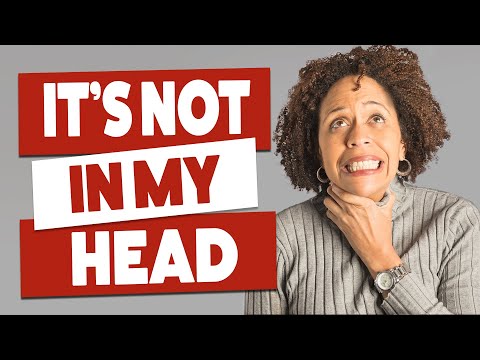
Anxiety can be a tricky little monster. You know, like, some days it just creeps in and takes over your brain without any warning. It’s wild how it can manifest in so many ways.
You might feel your heart racing outta nowhere or suddenly be super sweaty, even when you’re just chilling at home. Ever had that?
Maybe it’s the constant worrying or feeling restless, like you have to run a marathon but don’t know where to go. Seriously, anxiety loves to play tricks on us.
So, let’s talk about it! There are tons of symptoms out there—100, to be exact! If you’ve ever thought you might be feeling anxious but weren’t sure how to pinpoint what’s going on, this is for you.
Effective Strategies to Eliminate Anxiety and Find Mental Peace
Anxiety can be such a heavy weight to carry, and it often creeps into our lives in ways we don’t even notice at first. You might find yourself feeling restless, having trouble sleeping, or dealing with that constant knot in your stomach. It’s pretty common, but believe me, there are ways to tackle it head-on.
First off, let’s talk about recognizing the symptoms. Knowing what anxiety feels like is crucial. You might experience physical signs like a racing heart, sweating, or shaking. Then there are those mental symptoms—like racing thoughts or feelings of dread—that just seem to hang around. Understanding these signs is the first step toward making changes.
- Practice Mindfulness. This means being present in the moment without judgment. It could be as simple as focusing on your breath for a few minutes. I remember a friend once told me how just five minutes of breathing exercises helped her chill out before going into an important meeting.
- Get Moving. Exercise is like magic when it comes to anxiety. Even a short walk can release those happy hormones called endorphins that lighten your mood. Remember that time you felt better after just getting outside? Yeah, that’s no coincidence.
- Talk About It. Sharing what’s going on inside your head can lift a huge burden off your shoulders. Whether it’s with friends or a therapist—just saying things out loud can help you process and reduce that anxiety.
- Create a Routine. Having structure in your day can really ease that chaotic feeling. Try setting regular times for meals, work, and downtime so your mind knows what to expect.
- Avoid Caffeine and Sugar. Things like coffee and sugary snacks can ramp up anxiety levels without you even realizing it. I once cut back on caffeine and noticed my jitters disappeared almost immediately!
However, not all strategies work for everyone; it’s about finding what fits you best.
Another method worth mentioning is Cognitive Behavioral Therapy (CBT). This approach helps you identify negative thought patterns and replace them with healthier ones. It reminds me of this time I learned how my overthinking was making situations worse; once I got a handle on my thoughts through CBT techniques, things started looking brighter.
Also interesting? Breathing Techniques. These include deep breathing exercises where you inhale deeply through your nose and exhale slowly through your mouth—this can really calm the nervous system down! You know that sigh of relief you take after finishing something stressful? That’s kind of the idea here.
Lastly, consider connecting with nature more often—seriously! Nature has this unique way of grounding us. Spend some time outdoors; even sitting by a window counts if that’s all you’ve got time for!
All in all, finding mental peace isn’t always easy—or quick—but taking proactive steps towards managing anxiety makes all the difference in the world. Just remember: you’re not alone in this journey!
Exploring the Wide Range of Symptoms Caused by Anxiety: What You Need to Know
Anxiety can feel like this unwelcome guest that just won’t leave your head, you know? It can show up in all sorts of ways, and honestly, its symptoms can be pretty overwhelming. But the thing is, understanding these symptoms can make it easier to recognize what’s going on when anxiety starts to mess with your life.
First off, let’s chat about the common physical symptoms. These are things you might not connect directly to anxiety right away. For example, you could experience:
- Fast heart rate: Ever felt like your heart is racing for no reason? That’s a classic sign.
- Sweating: You might feel clammy or sweaty even when it’s not hot outside.
- Trembling or shaking: Sometimes it feels like your body has a mind of its own.
- Shortness of breath: This can seriously freak you out; suddenly, breathing feels like a chore.
- Nausea: That tight feeling in your stomach that makes you want to run to the bathroom.
But wait—there’s more! The emotional symptoms of anxiety are just as tricky. Anxiety isn’t just physical; sometimes it spins a web around how we feel. Think about these:
- Persistent worry: Like, it’s hard to turn off that voice in your head that’s constantly stressing over everything from work deadlines to personal relationships.
- Irritability: You might find yourself snapping at friends or family over little things.
- Restlessness: It’s like you can’t sit still; your mind is racing while you’re just trying to chill.
- Sense of doom: Out of nowhere, you might feel like something terrible is about to happen—even when there’s no real threat around!
And here’s another layer: cognitive symptoms. These are all about how our minds get twisted by anxiety:
- Difficulties concentrating: Focusing on tasks becomes an uphill battle when anxiety takes the wheel.
- Memory problems: Sometimes, recalling simple details feels impossible—hello brain fog!
- The dreaded “what if” spirals: You might find yourself caught in loops wondering what could go wrong next.
Seriously though—it doesn’t stop there. Anxiety can also impact sleep patterns big time. If you’ve ever tossed and turned all night worried over something trivial or majorly important, then you know what I mean.
And then there are social symptoms. If you’re avoiding social situations because they make you anxious, you’re not alone! Anxiety can push folks towards isolation as they fear judgment or embarrassment.
So why am I mentioning all this? Well, knowing the wide range of anxiety symptoms can help clue you into what’s happening when life feels heavy and loud with worry and fear. Even if you’re only feeling a few of these signs now and then—or maybe even many at once—acknowledging them is a solid step forward toward getting support or treatment.
You’re definitely not alone in this! Anxiety affects so many people in different ways. Keeping an eye out for these signs could be just what you need to start making sense of everything swirling around in your mind.
Understanding anxiety isn’t just about identifying what’s wrong; it lets us take that first step towards feeling better. And hey, recognizing these symptoms means we can finally kick that unwelcome guest out for good!
Understanding the Neurobiology of Anxiety: What Triggers It in the Brain
Anxiety can feel like this heavy weight on your chest, right? You know that feeling of racing thoughts and constant worry? Well, it all starts in the brain. To really get what’s going on there, you’ve gotta understand a bit about the neurobiology behind anxiety.
First off, let’s talk about the amygdala. It’s like the alarm system of your brain. When you sense danger—like, say, walking alone at night or even watching a scary movie—the amygdala kicks into action. It triggers a fight-or-flight response. Basically, it makes you alert and prepares you to either run away or stand your ground.
Now, there’s also the prefrontal cortex. This part helps with decision-making and regulating emotions. When everything is working smoothly, it calms down that amygdala alarm system. But if your prefrontal cortex isn’t functioning as it should—maybe due to stress or lack of sleep—the amygdala can go haywire. You end up feeling anxious even when there isn’t any real danger around.
Another player in this whole scenario is neurotransmitters. These are basically chemical messengers in your brain that help regulate mood and anxiety levels. Two key players here are serotonin and dopamine. Low levels of serotonin can make you feel down and more anxious while dopamine is linked with feelings of pleasure and reward—so if those levels dip, things can start to feel pretty bleak.
Oh! And don’t forget about cortisol—the stress hormone! When you’re stressed out or anxious for long periods, your body keeps pumping out cortisol. This can lead to a cycle where anxiety feeds into more stress and vice versa.
Some common triggers for anxiety in the brain include:
- Genetics: If anxiety runs in your family, you might be more prone to feeling anxious yourself.
- Traumatic Experiences: Going through something traumatic can change how your brain reacts to stress.
- Chronic Stress: Being under constant pressure at work or home can wreak havoc on your mental state.
- Bodies Reacting: Sometimes physical health issues or hormonal changes make anxiety worse.
Remember when someone close to you was going through a tough time? They often seemed on edge over little things; that’s their brain signaling distress because of those triggers I just mentioned.
While understanding these biological underpinnings is important—it’s also helpful to know there are ways to manage anxiety effectively! Things like therapy could help retrain how those parts of the brain communicate with each other. Meditation or mindfulness practices also target reducing that alarm response by calming down the amygdala over time.
So yeah, recognizing what triggers anxiety within your own brain helps put things into perspective—not just for yourself but for maybe friends who struggle too!
Anxiety is one of those things that’s both super common and really tricky to navigate. Imagine this: you’re sitting there, about to give a presentation. Your heart’s racing, palms are sweaty, and your mind’s whispering all sorts of doom-and-gloom thoughts. Sounds familiar, right? Well, that’s just one snapshot of how anxiety can show up.
Now, when we talk about recognizing symptoms of anxiety, it’s not just about those big moments. It’s like finding a hidden treasure chest filled with small cues that pop up in day-to-day life. You might notice feeling restless or finding it hard to concentrate on the simplest tasks. Or maybe you catch yourself avoiding situations because they make you feel uneasy—like skipping out on a friend’s party because the thought of being in a crowd feels overwhelming.
Seriously though, anxiety can manifest in so many different ways! Sometimes it feels physical—maybe you’ve got that tight knot in your stomach or your sleep’s all over the place. Other times, it sneaks into your thoughts like an uninvited guest at a party; it tells you negative stuff about yourself or makes you worry endlessly about things beyond your control.
And let me tell you, recognizing these signs is key. It’s like having a personal radar system; once you start tuning into what your body and mind are saying, it becomes easier to take action. Whether that’s talking to someone who gets it or trying out some calming techniques—having awareness can really change the game.
I remember when I started noticing my own anxiety symptoms. There were days when I’d feel this overwhelming sense of dread for no clear reason. It was frustrating! My heart would start racing just thinking about everyday tasks like grocery shopping or making phone calls. At first, I thought I was just being dramatic or lazy… until I finally took a step back and realized this was way more than just stress.
So yeah, if you’ve been feeling off or anxious more often than not, don’t brush it off as “just being stressed.” Take some time to check in with yourself and see if any signs resonate with you—whether it’s physical symptoms or emotional struggles. We’re all human here; understanding what we’re dealing with is part of the journey to feeling better!