You know those days when everything feels like too much? Like your brain’s just a jumbled mess, and you can’t seem to catch a break?
Well, grounding techniques might be just what the doctor ordered—figuratively speaking, of course. They’re tiny practices that help anchor you in the present moment.
Imagine feeling lighter, like you’ve dropped a heavy backpack after a long hike. Sounds good, right?
In this chat about grounding techniques, we’ll explore some simple yet effective ways to regain control over your thoughts and emotions. Just think of them as little life rafts when you’re swimming in stress.
So, let’s dive in!
Unlock Calm: Downloadable PDF Guide of Effective Grounding Techniques for Mental Wellness
Grounding techniques are a fantastic way to help you feel more centered and present, especially when anxiety or overwhelming emotions hit. They can bring your focus back to the here and now, making it easier to manage stress. So, what are grounding techniques? Well, they’re basically strategies that help you connect with your surroundings and your body. Let’s break that down.
What are Grounding Techniques?
These techniques focus on redirecting your attention away from distressing thoughts or feelings. You know how sometimes your brain just goes into overdrive? Grounding helps pull you back to reality. It’s about feeling the world around you instead of letting chaotic thoughts take over.
Types of Grounding Techniques
There are a few different types of grounding techniques, and it’s good to find what works best for you. Here’s a quick overview:
- Physical Grounding: This involves using your senses. For example, touch a textured object or take deep breaths.
- Mindful Breathing: Focus on your breath; inhale deeply through your nose and exhale through your mouth.
- Visualization: Picture a calm place, like a beach or a forest, and engage all your senses with that image.
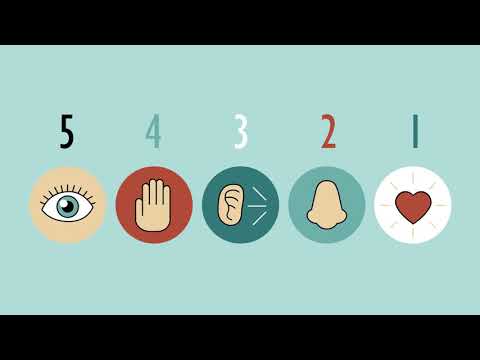
- Acknowledging Your Surroundings: Name five things you can see, four you can touch, three sounds you can hear, two scents you can smell, and one thing you can taste.
How Do These Techniques Help?
Think about it: when you’re stressed or anxious, it’s easy for things to spiral out of control mentally. Grounding techniques act like an emotional first aid kit! They remind us that we’re safe right here in this moment.
Let me share a little story to illustrate this point. I had this friend once who struggled with anxiety during presentations at work. She felt like her heart was racing and her mind went blank as soon as she stepped up to speak. What she started doing was taking just a minute before her presentation to breathe deeply and focus on the weight of her feet on the ground. It didn’t fix everything overnight but made it easier for her to manage those moments.
Accessibility
One great thing about these techniques is that they’re super accessible! You don’t need special tools or equipment—just yourself! If you’re looking for something more structured, there are downloadable PDF guides out there that offer various methods for grounding practices.
At times when life feels overwhelming—whether because of work stress or personal issues—grounding techniques can really help provide clarity and calmness. You don’t have to take everything on at once; practicing these methods gives you space to breathe.
So next time you’re feeling anxious or frazzled, just remember: grounding isn’t just about the technique itself but about finding what helps *you*. Whether it’s taking notice of how warm the sun feels on your skin or focusing on how much air fills your lungs—there’s always something in the present moment that can anchor you a little bit better in reality.
Unlock Calm: Essential Mindfulness Grounding Techniques PDF for Stress Relief
When we talk about grounding techniques, we’re really diving into strategies to help you feel more present and connected to the here and now. You’ve probably had those moments when stress just seems to take over, right? Grounding techniques can help pull you back down to earth when everything feels overwhelming.
What are Grounding Techniques?
These are simple strategies that can help you focus on the present moment. They’re all about tapping into your senses and using them to regain a sense of control. Instead of getting lost in anxious thoughts or feelings, grounding helps bring your awareness back.
Why Use Them?
Stress is like that annoying friend who just won’t leave you alone sometimes. Grounding techniques can provide an easy way to manage it and support your mental health. Maybe you’re feeling anxious before a big presentation, or perhaps you’re just having one of those days where everything feels too much. These techniques are here to help you find some calm.
Some Effective Techniques:
- The 5-4-3-2-1 Method: This one’s super popular! Start by naming 5 things you can see around you. Then, 4 things you can touch—like your clothes or the chair you’re sitting on. Next, 3 things you can hear; maybe it’s traffic outside or birds chirping. After that, think about 2 things you can smell (if there’s nothing around, just think of your favorites), and finally, 1 thing you can taste—this could be a sip of water or even just how your mouth feels.
- Your Breath: Seriously, don’t underestimate this one! Take slow, deep breaths in through your nose and out through your mouth. Picture each breath bringing in calmness and each exhale pushing out stress.
- Sensory Exploration: Find an object nearby. Hold it in your hand and really observe it—its texture, color, weight—whatever details pop out at you. Engaging with something physical brings your mind back.
- Movement: Sometimes it helps to get up! Stretching or walking for a few minutes gets the blood flowing and shifts your perspective.
It’s wild how such simple actions can make such a difference in how we feel mentally! A friend once told me about using these grounding techniques during a panic attack in the middle of a crowd. She focused on her breathing and the feeling of her feet on the ground while counting objects around her until she felt calmer—powerful stuff!
Remember that everyone’s different; what works for one person might not work for another—and that’s totally fine! So if one approach doesn’t resonate with you today, maybe another will tomorrow.
Incorporating these grounding techniques into your daily routine may really support your overall welfare. With practice, they might become second nature when life starts throwing curveballs at you: stress at work, family issues—you name it!
Overall, recognizing when stress hits and having these tools ready to use is key to maintaining balance. Being grounded means less chaos in our minds—and who doesn’t want that?
Free PDF Download: Essential Grounding Techniques for Mental Well-Being
Grounding techniques are all about helping you feel more connected to the here and now. When life’s challenges feel overwhelming, these methods can be a real lifesaver. Seriously, they help bring you back into your body and out of your racing thoughts.
What is Grounding? Essentially, it’s like hitting the reset button in your brain. You focus on the present moment instead of getting lost in anxiety or stress. This can be super useful when you’re feeling anxious or upset.
So, what are some cool grounding techniques that you can try? Here are a few that people find really helpful:
- 5-4-3-2-1 Technique: This is a classic. You identify five things you can see, four things you can touch, three things you can hear, two things you can smell, and one thing you can taste. It’s amazing how this simple exercise pulls you right back to reality.
- Breathing Exercises: Taking deep breaths can shift your focus dramatically. Breathe in for four counts, hold for four, then breathe out for six counts. It slows everything down and gives your mind a break.
- Physical Grounding: Feel free to use physical objects around you. Holding something solid like a rock or piece of fruit lets your mind latch onto something real instead of spiraling away.
- Body Scan: Close your eyes and just pay attention to different parts of your body from head to toe. Notice any tension or sensations without judgment. This helps create awareness and brings relaxation too.
- Mental Imagery: Picture yourself in a calm place—like a beach or forest. Imagine how it feels—the sun on your face, the sound of waves—really immerse yourself in that peaceful setting.
You know those times when everything just feels too much? Maybe you’re at work with deadlines looming or dealing with personal issues that weigh heavy on your chest. I remember feeling completely overwhelmed during finals week back in college—the pressure was insane! I tried grounding techniques like the 5-4-3-2-1 method then; honestly, it helped me regain control over my racing thoughts.
Grounding isn’t just about calming down; it’s also about building resilience over time. The more you practice these techniques during stressful moments, the better equipped you’ll be when life throws curveballs at you.
So, if you’re looking for resources like a PDF download with essential grounding techniques for mental well-being, think about what resonates with you most from this list! The important thing is finding what suits *you* best—it may take some trial and error but that’s totally okay!
You know, grounding techniques are one of those things that can really help when life feels a bit too much. It’s kinda like finding your feet again when everything feels shaky. Like, picture yourself in a crowded room, totally overwhelmed by noise and people. You might feel anxious or lost, right? That’s where grounding comes in.
I remember one time I was at this big event—lots of faces, loud music, and honestly, my brain was just too full. I started feeling like I was floating away from reality. So I decided to try some grounding techniques. I took a deep breath and focused on the feeling of my feet on the ground. It might sound simple, but it brought me back to the moment. My heart slowed down a bit, and suddenly things didn’t seem so intense anymore.
Basically, grounding techniques help you reconnect with the here and now. They can be physical—like pressing your feet into the ground or holding something textured—or mental, like counting backward from 100 or naming things around you for example: five things you see, four things you hear… It’s all about pulling your mind away from spiraling thoughts and getting back into your body.
Some folks use these methods during panic attacks or high anxiety moments; others just incorporate them into their daily routine to keep calm and present. They’re really handy for managing stress or when feelings feel kinda overwhelming.
And look—everybody’s different! What works for one person might not even touch another’s anxiety level. So it’s like trying on shoes; sometimes you gotta find what fits best for you.
In a world that keeps tossing curveballs at us every day, having these little tools in your pocket can really make a difference in how you handle stuff. Grounding might not fix everything overnight, but hey—it’s definitely a step toward better mental health and overall wellbeing! So if you ever find yourself feeling scattered or anxious, give some grounding techniques a shot—you might just surprise yourself with how much they help!