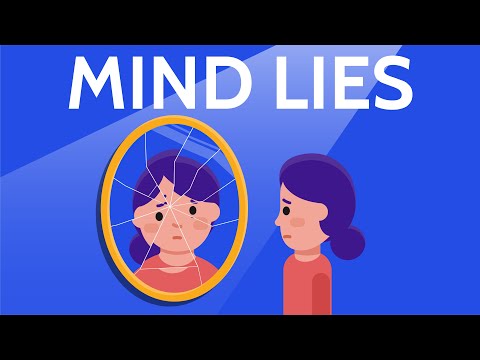
You know that feeling when your brain just spirals into overthinking? Yeah, we’ve all been there. Sometimes our thoughts can really mess with how we see ourselves and the world around us.
It’s kinda wild, right? Like, things can feel super intense or totally off because of how we think about stuff. That’s where cognitive distortions come in. They’re like little traps your mind sets for you—totally sneaky!
So what exactly are these distortions? Well, they’re just warped ways of thinking that can throw you for a loop. And recognizing them is the first step to feeling more grounded and clear-headed.
Let’s break down twelve of these tricky thought patterns together. You might realize you’re not alone in this crazy mental maze!
Understanding the 12 Cognitive Distortions: A Guide to Improving Mental Health
Cognitive distortions are basically those sneaky ways our brains can mess with our heads. You know how sometimes you feel like everything’s going wrong, even when it’s not that bad? That’s because of these distortions. They’re like little traps that can lead to negative thinking patterns.
All-or-Nothing Thinking is one of the big ones. It’s like seeing things in black and white, no middle ground. If you don’t get a promotion at work, you might think, “I’m a total failure.” But that’s just not true! It could be a million other reasons why things didn’t go your way—you follow me?
Overgeneralization is another tricky one. This is when you take one instance and apply it to everything else. Like if you mess up at a social event and think, “I always embarrass myself.” Seriously? No one gets it right every time!
Then we have Mental Filter. This one is about focusing on the negatives while ignoring the positives. Imagine getting 10 compliments but only fixating on that one piece of criticism. It’s like putting on blinders to all the good stuff around you.
With Disqualifying the Positive, you might dismiss good things in your life because they don’t fit your negative narrative. Someone praises your work, but you’re quick to brush it off as “they were just being nice.” Ouch!
Next up is Jumping to Conclusions. This can take two forms: mind-reading and fortune-telling. That means assuming what others think of you or predicting doom for future situations without any real evidence. You see someone who seems upset and instantly think they’re annoyed by you. Nah—that could be their bad day!
Catastrophizing takes things a step further by blowing situations way outta proportion. You have an important meeting coming up and suddenly imagine all sorts of disaster scenarios—like everyone laughing at you or making major mistakes.
Then there’s Emotional Reasoning. This is when people believe their feelings reflect reality, which really can muddy the waters! If you’re feeling anxious, it’s easy to think something terrible must be about to happen, even if everything’s actually fine.
Let’s not forget «Should» Statements. These are those rules we set for ourselves that can feel super rigid—like “I should always be happy” or “I should never make mistakes.” Talk about pressure! When we hold ourselves to these high standards, it sets us up for disappointment.
Another common distortion is Labeled Thoughts. This happens when we label ourselves based on our mistakes or setbacks rather than seeing them as part of being human. One mistake doesn’t define who you are!
Personalization kicks in when we take responsibility for things that aren’t our fault. If something goes wrong at work, thinking it was totally your fault—even if others had a hand in it—can lead down a dark path.
Lastly, there’s Blaming Others. Sure, some problems do come from outside sources—like a tough boss—but constantly blaming others instead of taking responsibility leads nowhere good.
Recognizing these cognitive distortions is super important for improving mental health! By becoming aware of them in your own thoughts, well…it opens the door to change. Therapy often helps tackle these distortions head-on through techniques like cognitive-behavioral therapy (CBT), which focuses on challenging those pesky thought patterns.
Understanding this stuff isn’t an instant fix; it’s more like building new pathways through practice over time! With patience and effort, shifting these distorted thoughts into more balanced ones is totally possible—and can make a world of difference in how you feel day-to-day!
Transform Your Mind: Effective Strategies to Rewire Negative Thinking Patterns
It’s like, you know, your mind sometimes plays tricks on you. You may not even realize it, but a lot of us fall into these negative thinking patterns—those annoying little habits of thought that can really mess with our heads. Knowing about cognitive distortions is a big part of changing your mindset.
So, what are cognitive distortions? Well, these are basically biased ways of thinking that can lead you to feel bad about yourself and the world around you. Think of them as mental shortcuts that often take you down the wrong path. Here are a few examples:
So how do we rewire this stuff? Your brain might be stubborn, but it sure can change! Here are some strategies that might help:
First off, awareness. Seriously. Start noticing when those pesky thoughts pop up. It’s like catching your brain in the act! Keep a journal or just pause for a sec before reacting. It’s amazing how just being aware helps.
Next up is challenging those thoughts. Ask yourself questions: “Is this really true?” or “What evidence do I have?” This helps put things into perspective and can really take the wind out of negative thoughts’ sails.
Then there’s reframing. Instead of seeing things as disasters, try turning them into opportunities for growth. So instead of saying “I bombed that presentation,” go with “I learned what I need to improve for next time.”
And don’t forget about practicing self-compassion. Be nice to yourself! You wouldn’t criticize your friend for making a mistake; so why do it to yourself? Treat yourself like your own best buddy.
Incorporating mindfulness can also be super helpful. Just spend some time tuning into the present moment without judgment. It could be through meditation or simply taking a walk in nature—whatever works for you!
Lastly, remember that changing your thought patterns takes time and effort—a bit like hitting the gym for your brain! So don’t get frustrated if progress feels slow; you’re building new habits!
Rewiring your thinking patterns isn’t easy peasy but every little bit counts! With time and practice using these strategies, you’ll probably notice those negative thoughts becoming less powerful over time—so let’s say goodbye to cognitive distortions together!
Recognizing 12 Cognitive Distortions: A Comprehensive PDF Guide for Mental Health Awareness
Cognitive distortions are those sneaky little thought patterns that can mess with your head. They’re like those annoying little gremlins that pop up and make you see the world in a warped way. If you’re feeling anxious or down, recognizing these distortions can be super helpful.
All-or-Nothing Thinking is one big culprit. You might think, “If I don’t get an A on this test, I’m a complete failure.” That’s a pretty harsh view of things! Life isn’t black and white; there’s a whole spectrum of grays in between.
Then there’s Overgeneralization. This is when you take one bad experience and blow it up to fit your whole life. Like after getting rejected from a job, thinking “I’ll never be good enough for anything.” But hey, one rejection doesn’t define all your worth!
Mental Filter is when you focus solely on the negative aspects while ignoring the positives. Let’s say you received five compliments and one critique; if you fixate on that critique, it’s like putting on blinders to everything else.
Diminishing the Positive is similar but flips things around. You might accomplish something great but brush it off because it wasn’t as hard as what someone else did. Seriously? If you did something awesome, celebrate it!
Then we have Jumping to Conclusions. This comes in two flavors: mind reading and fortune telling. You might think someone didn’t text back because they’re mad at you (mind reading) or believe you’ll fail at something before even trying (fortune telling). Cut yourself some slack; you usually don’t know their thoughts.
Sometimes people fall into Emotional Reasoning, where they believe their feelings are the ultimate truth. If you’re feeling anxious about an upcoming event, it doesn’t mean something bad will happen! Feelings can be deceiving sometimes.
Now let’s talk about “Should” Statements. These are rigid expectations we put on ourselves or others—like saying «I should always be productive.» When we don’t meet these standards, we feel guilty or disappointed. Try rephrasing those “shoulds” into more flexible terms.
Labeling takes things a step further by applying one negative trait to yourself entirely: “I’m such a loser.” That just isn’t true! One mistake doesn’t define who you are as a person.
The Personalization distortion lets us think we’re responsible for things outside our control—a break-up or someone being upset at work might make us feel like failures when they’re not about us at all!
This brings us to Sizing Up, where we compare ourselves to others in unhelpful ways. Scrolling through social media might lead to thoughts like “Everyone’s happier than I am,” twisting our perception of reality.
Lastly, there’s Bizarre Thinking. Maybe turning every minor inconvenience into an apocalypse scenario. So if your car broke down, suddenly it’s not just a problem; it’s the end of the world!
Recognizing these cognitive distortions isn’t about beating yourself up over them; it’s more about awareness and finding ways to change those thoughts into kinder ones! With time and practice—seriously—you can change how your brain processes info and ultimately improve how you’re feeling overall. It’s worth checking out resources that help explain this stuff further—the insights can really help shift your mindset!
Cognitive distortions, huh? They’re like sneaky little ninjas in your brain, twisting your thoughts until they don’t even feel like your own. It’s wild when you start recognizing them. You know, it’s not just about feeling down; it’s like, you’re caught in this web of thinking that makes everything seem worse than it is.
I remember this one time when a friend was going through a breakup. She kept saying things like, “I’m never gonna find someone again.” That’s classic all-or-nothing thinking right there. It felt heavy to hear because I knew she was just seeing the worst side of things at that moment. When you get stuck in those patterns, it’s hard to see the light.
There are actually 12 common cognitive distortions that people can slip into without even realizing it. Like overgeneralization—you know, making a sweeping statement based on one single event? And then there’s filtering, where you focus exclusively on the negative and ignore all the good stuff around you.
Sometimes people even play mind-reading and assume others are thinking negatively about them, which is such a mind trap! It can spiral out of control real quick. You might start feeling paranoid or anxious over something that didn’t even happen.
And let’s not forget about catastrophizing! That one’s a personal fave (sarcasm intended). It’s where your mind jumps right to the worst possible scenario. Like if your boss calls you into their office, and boom—you think you’re getting fired when really they probably just wanna chat about last week’s project.
Recognizing these distortions isn’t always easy—it takes practice and sometimes help from someone who gets it. But once you start noticing those mental gymnastics, it can be freeing. You begin to challenge those thoughts instead of just accepting them as truths.
Honestly? Just being aware is half the battle! You might find yourself taking a step back and asking: “Wait a minute—am I blowing this out of proportion?” Or “Is there any actual evidence for that thought?” It’s surprising how much clarity comes from just questioning what pops up in your head.
So yeah, while cognitive distortions can really mess with how we perceive ourselves and our situations, they can also lead to deeper self-awareness once we start recognizing them for what they are—just thoughts that don’t always reflect reality!