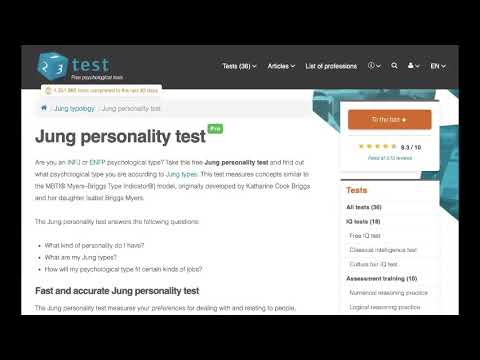
Hey! So, you know how sometimes you just wonder what makes you, well, you? Like, why do you react a certain way in stressful situations? Or why some people just vibe with your energy while others totally don’t?
That’s where the 123 Personality Test comes in. Seriously. It’s kinda like having a fun chat with yourself. You get to dig into your own quirks and traits without any pressure.
This isn’t just about labels or boxes, though. It’s about understanding what makes your mind tick. And trust me—once you start, it can feel pretty eye-opening.
Ready to explore? Let’s figure this out together!
Exploring User Opinions: What People Really Think About 123test for Mental Health Insights
Many people are looking for easy ways to understand themselves better, especially when it comes to mental health. That’s where sites like 123test come into play. They offer personality tests that claim to give you insights into your thoughts, feelings, and behaviors. So what do folks really think about it?
Reliability is one of the biggest concerns people have. Some users find the results surprisingly accurate, feeling like the test hit the nail on the head about their personality traits. Others are skeptical, thinking it’s too generic or that the test oversimplifies complex human behaviors. You know how we all have those quirks? Well, a quick online quiz might not capture that.
Then there’s usability. A lot of folks appreciate how straightforward and accessible 123test is. You don’t need a psychology degree to understand what’s going on. It’s just clicking through questions and getting results without jumping through hoops. Some users mention how they can do it on their phones while waiting for coffee—super convenient!
But let’s talk about depth too. Some critiques revolve around how these tests can feel pretty surface-level. Sure, you might get a fun label like «extrovert» or «thinker,» but what does that really mean? Many people desire deeper insights into their mental health rather than just a catchy category.
Another aspect people consider is feedback and interpretation. Many tests provide results accompanied by descriptions or advice on what the scores mean. But there’s a mixed bag here—some users wish there was more personalized feedback tailored to individual experiences and struggles rather than just cookie-cutter interpretations.
You can’t ignore community opinions. People often share their experiences in forums or social media, which can help others gauge whether it’s worth trying out these tests. Someone might rave about how they finally understood why they act a certain way in relationships after taking it, while another person might say it led them down a rabbit hole of self-doubt.
And let’s not forget about the importance of combining these insights with professional guidance. Lots of folks remind us that while online quizzes can spark self-discovery, they shouldn’t replace conversations with therapists or counselors who can provide support and tailored advice.
So in summary, opinions about 123test and similar platforms vary widely:
- Reliability: Results can feel spot-on for some but overly simplistic for others.
- Usability: Easy to use anywhere; convenience is appreciated by many.
- Depth: Users want more than just labels; deeper insights are desired.
- Feedback: More personalized interpretations would enhance user experience.
- Community Feedback: Real experiences help potential users decide whether it’s worth trying.
- The Role of Professionals: These tests shouldn’t replace professional mental health support.
In short, user experiences with 123test reveal a blend of positive takeaways mixed with some skepticism regarding depth and reliance on results alone. It definitely opens doors for self-reflection, but coupling those insights with real conversations could lead to meaningful change in understanding oneself better!
Mastering Personality Assessments: Essential Tips for Success
So, you’re diving into personality assessments, huh? That’s a big step! These tests can give you cool insights about yourself and how you tick. But mastering them? Well, that takes a bit of strategy. Let’s break it down.
Understanding the Test is your first move. Each assessment measures different things, whether it’s your behavior, how you think, or how you interact with others. For example, the Myers-Briggs Type Indicator (MBTI) looks at your preferences in four areas: where you get your energy from, how you take in information, how you make decisions, and how you deal with the outside world. Knowing what type of test you’re taking helps frame your answers better.
Next up is Honesty. Seriously! When you’re answering questions, go for genuine responses instead of what you think others want to hear. Think about this: If you’re asked if you’d rather spend Friday night at a party or binge-watching Netflix alone—be real with yourself! Your answers should reflect who YOU are.
Take Your Time. Rushing through won’t do anyone any favors. Give each question a moment’s thought. Sometimes those little pauses can lead to deeper reflection and more accurate responses. Just like when you’re stuck on a crossword puzzle; sometimes letting it simmer helps jog your memory!
Look for Patterns. A lot of these tests will repeat similar questions phrased differently throughout—you might notice them showing up again and again in various forms. Keep an eye out for these because they’re designed to check if your answers stay consistent. So if one day you say you’re usually chatty but then answer later that you’d rather be silent at gatherings? It might look like you’re not fully being yourself.
Also, Don’t Overthink It. Yeah, it’s super easy to get caught up in trying to figure out what «the right answer» is or worrying about how your results will turn out. But remember—this isn’t an exam! Really just focus on portraying who you are right now and don’t stress too much about potential outcomes.
Review Results with Openness. After taking an assessment, it can be tempting to dismiss the results as “not me.” But before doing so, take a moment to consider what they say about patterns in your behavior that maybe you’ve overlooked before. You might find some surprising truths lurking in there!
The thing is… personality assessments are just one piece of the enormous human puzzle. They can help guide self-reflection or even show paths for personal growth but don’t let one test define everything about who you are or where you’re headed.
If you’ve ever felt uncertain about yourself—like when I found myself questioning my choices during college—that was a perfect time for me to explore assessments like these! They helped me realize things I never thought were important before.
Anyway, whether it’s for personal development or just plain curiosity, mastering personality tests is all about being honest and reflective while staying open-minded about the results—all while having fun along the way!
Understanding the 123 Test: A Simple Tool for Mental Health Assessment
The 123 Test is one of those neat little tools that helps you get a snapshot of your mental health, like taking a quick selfie of your personality. It’s designed to be simple, which makes it pretty accessible for everyone. You don’t need to be a psychologist or have any special training to take it, and that’s what makes it cool.
What is the 123 Test? It’s essentially a personality assessment that breaks down how you think, feel, and act in different situations. The «123» comes from the format—it typically involves three main dimensions of personality. Think of these dimensions as broad categories that cover various traits, like how you interact with others or manage emotions.
So when you take the test, you’re usually asked about different scenarios or feelings. You’ll pick responses that best resonate with you—kind of like choosing toppings for your ice cream cone! Once you’re done, you’ll get some feedback based on your answers.
Why use the 123 Test? Well, it can provide insight into areas like your emotional health and relational dynamics. It’s not just fluff; it can help you understand why you react certain ways in social situations or why stress hits you harder than it seems to hit others.
Here are a few key things to keep in mind about the 123 Test:
Now, let me share a quick story. A friend of mine took this test during a really tough time—she was feeling lost after graduating college and unsure about her next steps. After finishing the assessment, she discovered she scored higher on traits that suggested she was more introverted and sensitive than she had realized. This understanding helped her choose smaller networking events over big parties where she’d feel overwhelmed. It turned out to be just what she needed!
Of course, it’s important not to overemphasize results from any single test. They’re just pieces of the puzzle when figuring out mental health, so think of them as conversation starters rather than definitive answers.
Another point worth mentioning is that while tools like the 123 Test are helpful for self-reflection and awareness, they shouldn’t replace professional assessments if you’re struggling seriously with mental health issues. Sometimes it’s nice to chat things out with someone who specializes in these areas!
In summary, the 123 Test offers an easy way for individuals to explore their own personalities and gain insights into their emotional landscapes without too much fuss. Just remember: this little tool is here to kickstart conversations—not provide all the answers!
You know, I recently stumbled upon this cool personality test called the 123 Personality Test. It’s funny how these things can really make you think, right? Like, one moment you’re just scrolling through your phone, and the next, you’re digging deep into what makes you tick.
So there I was, sitting on my couch with a cup of coffee in hand. I thought—why not give it a shot? There were some classic questions, like how do you usually react when plans change last minute? And then there were those quirky ones that had me laughing out loud. It’s like they knew me better than I know myself sometimes!
After finishing up the test, I got this pretty colorful report. At first glance, it felt a bit overwhelming—so many traits crammed into one page! But then I noticed how some parts rang really true for me. For instance, it captured my tendency to overthink things; yeah, that’s definitely spot on! And there were some traits that surprised me a bit too. Like being more adventurous than I thought. Who knew?
What struck me most was how this test nudged me to reflect on my relationships and work style. It kind of felt like holding up a mirror and getting a glimpse of all these different sides of myself I’d either ignored or simply didn’t recognize before.
Sometimes though, it’s easy to get caught up in labels, right? You start wondering if these traits define you completely. But hey, we’re all way more complex than any test can capture! So while the 123 Personality Test provided some fun insights and self-reflection opportunities, it kinda reminded me that we’re all works in progress—ever-changing and evolving.
I guess at the end of the day, it’s not about fitting neatly into categories but using tools like this to understand ourselves better. So if you’re feeling curious or stuck in your own headspace lately, maybe give it a whirl! You might uncover those hidden gems about yourself that are just waiting to be discovered.