Have you ever felt like you just clicked with someone? Like you both totally understood each other right away?
That magic often comes down to personality types. You know, those different ways people think and behave.
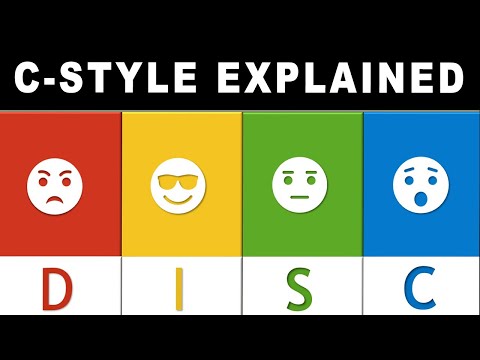
There’s this model called the DISC personality types that breaks it all down into four main styles, which then branch out into 16 unique types. Wild, huh?
Each type has its quirks and traits. And guess what? It can seriously shape your relationships, career choices, and even how you deal with stress.
Think about it: understanding these personality types could help you navigate your interactions better. So, let’s dig into how they work and what they mean for you!
Exploring Keanu Reeves’ DISC Profile: Insights into His Personality and Behavior
Well, talking about Keanu Reeves and his DISC profile is kind of interesting, right? So, let’s break it down a bit. The **DISC** model categorizes personality traits into four main types: **Dominance, Influence, Steadiness**, and **Conscientiousness**. Each type reflects different behaviors and attitudes.
First off, Keanu is often perceived as a very **Steady** person. This means he likely values harmony, empathy, and patience. You see him in interviews—he has this calm demeanor that just puts you at ease. He’s genuine and really connects with people. And that’s so typical of the Steadiness type.
On the other hand, there might be some hints of **Conscientiousness** in him as well. This trait highlights attention to detail and a methodical approach to tasks. Think about how he prepares for roles or practices martial arts for movies like *John Wick*. His dedication shows he takes his craft seriously!
In addition to those traits, there’s also something about his **Influence** side that comes through when interacting with fans or colleagues. He seems to genuinely enjoy making connections and inspiring others—like when he rides the subway or surprises fans on set. This friendly vibe can make someone feel warm inside; it’s like he’s saying, “Hey, we’re all in this together!”
But what about dominance? Well, that one feels a bit less pronounced in him compared to the others. Sure, Keanu has been a leading man in Hollywood for decades! But he doesn’t really come off as overbearing or aggressive like traditional Dominant types. Instead, you see someone who leads by example rather than through authority.
So yeah! In summary:
- Steadiness: Calm demeanor; values harmony; connects well with people.
- Conscientiousness: Attention to detail; dedicated to his craft.
- Influence: Enjoys connection; inspires others.
- Dominance: Less prominent; leads through example rather than authority.
Keanu’s personality is this beautiful blend of traits that make him relatable and respect-worthy but still grounded at the same time! Every time I think about how he treats people with kindness despite fame—I don’t know—it gives me hope for humanity!
Understanding the DISC Personality Test: Unlocking Your Behavioral Style for Better Relationships
The DISC Personality Test is a tool designed to help you understand your behavioral style and how it impacts your relationships. It sorts people into four basic types: Dominance, Influence, Steadiness, and Conscientiousness. Each category explains how you interact with the world and the people in it.
First off, let’s break down these four types:
- Dominance (D): People with high D traits are assertive and goal-oriented. They love challenges and often take charge in group situations. Imagine someone like that friend who always leads the planning for a road trip—confident, decisive, and maybe a bit impatient.
- Influence (I): If you’re more of an I type, you thrive on social interactions. You’re persuasive and optimistic, drawing people in with your charm. Think about that outgoing person at parties who knows everyone’s name; they’re like the social glue.
- Steadiness (S): Those high in S are reliable and patient. They value harmony and are great listeners—like that friend who always takes the time to hear you out when life gets tough.
- Conscientiousness (C): C types focus on accuracy and quality. They analyze everything before making decisions, kind of like that detail-oriented coworker who double-checks every presentation before it goes out.
Understanding these styles can seriously improve your relationships. You know when you feel misunderstood or frustrated by someone else’s approach? Well, knowing their DISC type can help explain their behavior.
For instance, if you’re an S type chatting with a D type, you might feel overwhelmed by their directness. Instead of just getting upset or shutting down, recognizing their need for efficiency can help you adapt your communication style to be more effective.
But there’s more! The DISC test isn’t just about identifying yourself; it’s also about understanding others. Each personality type has strengths and weaknesses—like having superpowers but also certain kryptonites.
So picture this scenario: You’re part of a team project with varying DISC types. The D leader may push for fast results without considering everyone’s input. Meanwhile, the S team member could feel sidelined because they want everyone to feel included before moving forward.
When each member understands these dynamics through the lens of DISC, it opens up communication channels! Instead of arguing over differing opinions or feeling hurt by each other’s styles, everyone can see where others are coming from.
It’s beneficial for personal relationships too! If your partner has a dominant personality but you’re more easy-going, knowing this lets both of you adjust expectations during disagreements.
In summary, understanding the DISC Personality Test helps clarify behavioral styles—both yours and others’. This insight sets the stage for healthier interactions where everyone feels valued—even during those tricky moments when personalities clash!
Understanding the 12 DISC Personality Types: Unlocking Insights for Personal Growth and Relationships
Understanding the 12 DISC personality types can really help you navigate not just your own behavior but also improve how you interact with others. It’s like having a roadmap for your relationships and personal growth. The DISC model is built on four primary traits: Dominance, Influence, Steadiness, and Conscientiousness. Each one has its subtypes, which is where the 12 come in.
First up, Dominance (D). This type is all about results and control. You’re looking at people who are assertive and love challenges. They tend to be direct and competitive. Within this category, there are two subtypes:
- D1: The Driver – Think of someone who’s always pushing for success; they’re often leaders in business.
- D2: The Risk-Taker – These folks might dive headfirst into new ventures without a second thought.
Next is Influence (I). If you’re an I-type, you probably thrive on social interactions and inspiring others. You usually bring energy into the room.
- I1: The Social Butterfly – They can light up any gathering with their charisma.
- I2: The Motivator – This person isn’t just social; they also inspire teams to reach their best.
Then comes Steadiness (S). S-types value harmony and consistency in their lives. They’re typically patient and easygoing.
- S1: The Supporter – Known for being great listeners, they usually put others’ needs before their own.
- S2: The Peacekeeper – These individuals excel at maintaining stability within groups.
Finally, we’ve got Conscientiousness (C). If this resonates with you, precision and quality probably matter a lot.
- C1: The Analyzer – They’re detail-oriented thinkers who love data-driven decisions.
- C2: The Perfectionist – This subtype often craves high standards in everything they do.
Understanding these types helps in so many ways! Seriously! Imagine you’re working on a team project. Knowing that one teammate is a D-type can help you understand their push for quick results. Meanwhile, an S-type might want more time to build consensus before diving in—totally different approaches!
Navigating relationships gets easier too! For example, if you know that your partner identifies as an I-type and loves social gatherings but you’re more of a C-type who prefers quiet nights at home, understanding this difference can help you find common ground.
So basically, by recognizing these DISC types—whether it’s about yourself or others—you unlock pathways for effective communication and personal growth. You’ll find that as you learn more about these personality styles, it becomes much clearer how to relate better with everyone around you.
In short? Understanding the 12 DISC personality types isn’t just about labeling yourself or friends; it’s about enhancing interactions and fostering personal development!
Okay, so let’s chat about the 16 DISC personality types. You might have heard of the DISC model; it’s all about breaking down personalities into four main styles—Dominance, Influence, Steadiness, and Conscientiousness. But when you dig a little deeper, there’s a whole bunch of types that come from mixing and matching these styles. It’s like a personality salad!
I remember when I first learned about this stuff. I was sitting in a workshop, feeling a bit skeptical as they explained how these personality types could predict how we interact with others. But then they started listing examples. Suddenly, I realized just how relatable these traits were—not just in myself but in people around me too.
The thing is, understanding your own type can really change how you see your emotional reactions and those of others. For instance, if you’re more of a “D” type (the Dominant go-getter), you might find that you handle stress differently than an “S” type (the Steady peacemaker). The “D” types often charge ahead and tackle problems head-on. But an “S” might want to avoid conflict, seeking harmony instead.
Plus, knowing what makes people tick can totally reshape relationships—be it friendships or work dynamics. Imagine trying to collaborate on a project with someone who loves structure and details (that would be the “C,” Conscientiousness type) while you’re all about spontaneity and big-picture ideas (a classic “I,” Influence). You could clash hard without even realizing why!
And it’s not just work stuff; think about romantic relationships too. If one partner is laid-back and easygoing while the other has that fire to push forward constantly—there’s potential for both fireworks and misunderstandings! Understanding where each person falls on the DISC spectrum can help navigate those emotional waters more smoothly.
But there’s this risk too—labeling can sometimes feel limiting or boxy, right? Like if someone identifies mainly as an “I,” they might think they have to act bubbly all the time—or else they’re not living up to their label! It’s important to remember that we’re all multifaceted humans navigating life in our own unique ways.
So yeah, these DISC personality types have a real psychological impact on how we relate to each other day-to-day. When we grasp those differences, it tends to soften our judgments—we start seeing behaviors as nuances instead of annoyances. And isn’t that something we could all use a bit more of?