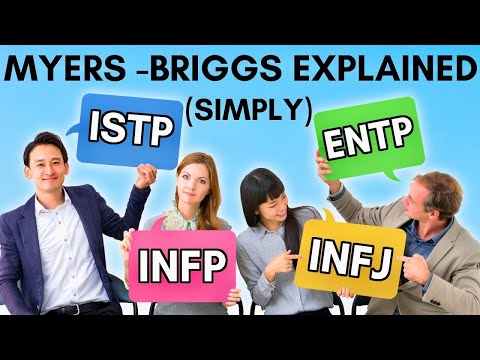
So, you know those times when you meet someone, and it’s like you just click? It’s all about personality, right? The Myers-Briggs Type Indicator (MBTI) breaks that down into sixteen distinct types. Each one is a unique little puzzle piece of human behavior.
But here’s the thing: knowing your type can be a game changer for your mental health. Seriously! It’s like shining a flashlight in a dark room—you start to see things more clearly.
When you get what makes you tick (or what stresses you out), it opens up new ways to cope and connect with others. Plus, understanding how different types interact helps in relationships, at work…you name it!
So let’s dive into these sixteen personalities and explore how they link up with mental health. Who knows, you might just find a better way to navigate this wild ride we call life—together!
Discovering the 4 Key Personality Types: Understanding Yourself and Others for Better Relationships
Understanding personality types can be super enlightening, right? It’s like a roadmap for not just knowing yourself better, but also figuring out how to get along with others. The Myers-Briggs Type Indicator (MBTI) breaks things down into 16 personality types, which can feel a bit overwhelming at first. But if we look closely, we can find four main groups that each of those types falls into. Let’s unpack them!
The Four Key Personality Types
1. Analysts: These peeps are all about logic and understanding the world around them through data and theories. They love problems that have clear solutions and tend to be very objective in their thinking. Think of someone like Sherlock Holmes—always analyzing everything! Analysts often excel in fields like science, engineering, or anything that requires critical thinking.
2. Diplomats: Here’s where the feelings come in! Diplomats prioritize emotions and values when making decisions. They’re great at understanding others’ perspectives and often seek harmony. If you’ve ever met someone who’s always trying to mediate arguments or bring a group together, they’re likely in this category! Careers in counseling or education often draw these types.
3. Sentinels: Sentinels are known for their practicality and reliability. They thrive on order, rules, and structures—yup, these folks appreciate routine. If you picture someone who keeps meticulous notes or organizes events down to the last detail, that’s a Sentinel for you! They tend to shine in jobs that require organization and responsibility.
4. Explorers: Explorers are all about spontaneity and adventure! They enjoy new experiences and ideas but might struggle with routine tasks that seem too confining. Imagine someone who loves to travel on a whim or tries new hobbies frequently—that’s an Explorer at heart! Many end up in creative fields where they can express their need for variety.
Connecting Personality Types with Mental Health
Understanding these personality types isn’t just interesting trivia—it has real implications for mental health too! For example:
- Analysts: Might need to watch out for overthinking and anxiety since they’re constantly analyzing situations.
- Diplomats: Can experience emotional burnout if they don’t set healthy boundaries while caring for others.
- Sentinels: Sometimes struggle with flexibility; when unexpected changes happen, it could trigger stress.
- Explorers: May find it hard to stick with things long enough, leading to feelings of inadequacy if goals aren’t reached.
Getting aware of your type—and those around you—really helps foster empathy in relationships. Say you’re an Analyst dating an Explorer—understanding why they hate being tied down could save some heated arguments over weekend plans!
So basically? Knowing these key personality types not only enriches your self-awareness but also enhances your relationships by providing insight into how different folks tick—and that’s pretty invaluable stuff when it comes to building connections with others!
Understanding the 16 Personality Types: A Comprehensive Guide to Self-Discovery and Personal Growth
Understanding personality types can feel like peeking into your own mind, you know? The 16 Myers-Briggs Personality Types give us a snapshot of our preferences and behaviors. By figuring out your type, you can uncover things about yourself that might have been hidden or misunderstood. So let’s break it down.
What are the 16 Personality Types?
The Myers-Briggs Type Indicator (MBTI) sorts people into 16 distinct categories based on four dichotomies:
- Introversion (I) vs. Extraversion (E): Do you feel energized by being alone or by being around people?
- Sensing (S) vs. Intuition (N): Do you focus on concrete facts and details or prefer to see the bigger picture and future possibilities?
- Thinking (T) vs. Feeling (F): Do you make decisions primarily with logic and analysis, or are your emotions a guiding factor in your choices?
- Judging (J) vs. Perceiving (P): Do you like structure and plan ahead, or do you prefer to keep things flexible and spontaneous?
Each combination of these preferences creates a unique personality type. For instance, an ISTJ tends to be detail-oriented and responsible, while an ENFP is often enthusiastic and creative.
Why Does This Matter?
Understanding your type can lead to better self-awareness. If you’re an INFP—deeply values-driven—you might struggle with decision-making if those decisions conflict with your values. Just knowing this could help you navigate tough choices better.
Also, knowing how others function can improve your relationships. Picture this: you’re an ESTJ who loves planning everything down to the minute living with an open-ended ENTP who thrives on spontaneity. That combo could spark some conflict! But understanding each other’s types helps you find common ground.
Mental Health Insights
Your personality type can influence how you experience mental health challenges too. For example:
- If you’re an ISFJ, you might take on the emotional burdens of friends without realizing it could lead to burnout.
- An INTJ might feel overwhelmed when their plans go awry since they prefer predictability.
These tendencies can shape how one copes with stress or anxiety. Recognizing that is powerful because it opens avenues for seeking help in ways that resonate with your personality.
Anecdote Alert!
I once knew a guy named Jake who was an ESFP—super outgoing and always the life of the party! But when he started a new job where he felt stifled by rules and procedures, he became anxious and withdrawn. He learned he’d thrive in environments that balanced structure with creativity, leading him to start his own business where he set his own rules.
So here’s the thing: exploring the 16 personality types isn’t just about labeling yourself; it’s more about understanding yourself better so you can grow personally and emotionally in ways that fit who *you* are.
By embracing these insights from the Myers-Briggs framework, you’re not just diving into self-discovery; you’re also setting the stage for personal growth tailored just for you!
Understanding the Myers-Briggs 16 Personality Types: A Comprehensive Guide to Self-Discovery
Understanding the Myers-Briggs 16 personality types is like getting a backstage pass to who you are and how you tick. Seriously, it’s one of those tools where, once you get into it, you start to see connections in your behavior and feelings that totally make sense.
So, let’s break this down a bit. The Myers-Briggs Type Indicator (MBTI) was developed by Isabel Briggs Myers and her mother, Katharine Cook Briggs. They based it on Carl Jung’s theory of psychological types. Basically, it categorizes people into 16 different personality types based on four pairs of opposing preferences:
- Extraversion (E) vs. Introversion (I): This describes how you get your energy. If you’re an E, you recharge around other people; if you’re an I, solitude fuels your fire.
- Sensing (S) vs. Intuition (N): This is all about how you take in information. S types focus on concrete data and details; N types look at the bigger picture and possibilities.
- Thinking (T) vs. Feeling (F): This preference deals with decision-making. T folks lean towards logic and objective criteria; F folks prioritize emotions and personal values when making choices.
- Judging (J) vs. Perceiving (P): This reflects how you interact with the world around you. J types prefer structure and firm decisions while P types love flexibility and spontaneity.
Now, when these preferences combine, they lead to 16 distinct personality types like ENFP or ISTJ. Like for example:
– **ENFPs** are known as «Campaigners.» They’re outgoing, imaginative, and great at brainstorming ideas.
– **ISTJs**, on the other hand, are the «Logisticians.» They’re super reliable, organized, and approach tasks methodically.
Here’s where it gets interesting: understanding your type can offer some real insights into mental health! Each type may face unique challenges or strengths when dealing with stress or emotional situations.
For instance:
- If you’re an **INFP**, known for their strong values but sensitive nature, stress might hit harder due to feeling misunderstood.
- A **ESTJ**, who thrives on order might struggle more with anxiety during chaotic times because their need for structure is thrown out of whack.
Self-discovery through your personality type can also help in relationships—personal or professional! Knowing whether you’re more introverted or extroverted can shift how you engage with friends or colleagues.
I remember talking to a friend who’s an INFJ—she could totally freak out in big groups but felt at home in small gatherings discussing deep topics with close pals. Understanding her personality helped her communicate that need better to her friends.
The thing is: while these categories can be pretty spot-on for many people, don’t let them box you in completely! They’re meant to be guides—not strict rules about who we should be.
In short: knowing about the Myers-Briggs personality types isn’t just a fun quiz to take—it’s a tool for deeper understanding of ourselves which can ultimately pave the way for mental wellness! So go ahead; dive into this world of self-discovery because knowing yourself better? That’s invaluable!
So, let’s chat about the Myers-Briggs personality types and how they might connect to mental health. You might’ve heard of the MBTI before; it’s this personality inventory that sorts you into one of 16 different types based on your preferences in four areas: where you focus your attention (extraversion or introversion), how you take in information (sensing or intuition), how you make decisions (thinking or feeling), and how you deal with the world around you (judging or perceiving).
Now, if I’m being real with you, it can feel a bit like fitting everyone into boxes, right? But it does offer some cool insights. Like, understanding your type can help you figure out why certain situations stress you out more than others. For example, an ENFP—someone outgoing and imaginative—might thrive in social settings but find tasks that require deep focus pretty draining. This can totally affect their mental health. I mean, I knew an ENFP who would burst out in tears after long hours of solo work. That emotional release was like a pressure valve for them.
And then there are the introverts, like me sometimes. We recharge alone but can feel overwhelmed by constant social interaction. If we don’t balance our time right? Yeah, anxiety can creep in fast! Knowing this about yourselves—like being an INTJ who’s naturally inclined to plan—can help prevent burnout when life gets too chaotic.
It’s interesting to note that each type comes with its unique strengths and challenges in mental health too. For instance, those who lean towards Feeling may be more attuned to their emotions but could also struggle with emotional overwhelm. So it’s all about awareness! You get what I’m saying? By recognizing your personality traits, you’re kinda better equipped to handle your mental health journey.
The thing is, while these types might give us a framework to understand ourselves better, they don’t define us completely. Life throws curveballs at all of us! Think about that moment when stress hits hard; maybe it’s deadlines piling up or conflict with friends—how we react is influenced by but not limited to our MBTI type.
So yeah, whether you’re having a meltdown over a project at work or feeling lost in relationships, using this personality insight as a tool rather than a rule can really make a difference in navigating through life’s ups and downs!