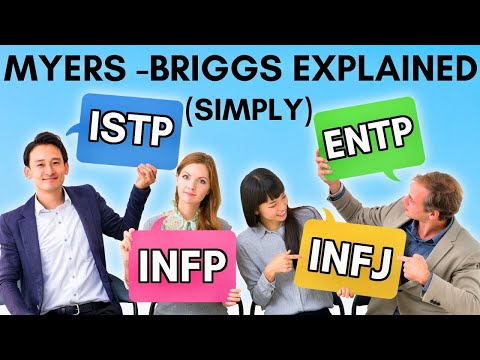
So, let’s talk about the 16 Personalities Test. Ever heard of it? It’s kinda like this fun little quiz that helps you figure out who you are.
You know, understanding yourself can be such a journey. And honestly, it’s not always easy to make sense of what goes on inside our heads.
This test breaks things down into neat little categories. It gets you thinking about your traits and how they affect your life and relationships.
Plus, it’s super helpful in figuring out why you click with some people but not others. Seriously, the insights can be eye-opening!
So come on, let’s unpack this together and see what your personality says about you!
Decoding Your Personality Test Results: A Guide to Understanding Yourself Better
Understanding yourself through a personality test is like getting a sneak peek inside your own mind. It’s kind of cool, right? The 16 Personalities Test is one of those tools that can really help you make sense of your thoughts, behaviors, and feelings. So, let’s break it down together!
First off, personality tests categorize people into different types based on their traits. The 16 Personalities Test is based on the Myers-Briggs Type Indicator (MBTI), which looks at four key dimensions:
- Introversion vs. Extraversion: Do you get energized by being alone or being with others?
- Sensing vs. Intuition: Do you prefer concrete facts or are you more into abstract ideas?
- Thinking vs. Feeling: Do you make decisions based on logic or emotions?
- Judging vs. Perceiving: Do you like structure and plans or are you more spontaneous?
Each combination gives you a four-letter code, like INFP or ESTJ. This isn’t just a label; it tells you about your strengths and weaknesses.
Once you’ve got your type, it’s time to dive deeper into what it means. For instance, if you’re an INFP, you’re probably seen as the “Mediator.” You might be sensitive and value harmony in relationships. But hey, that sensitivity can also mean you feel overwhelmed in conflict situations.
On the flip side, if you’re an ESTJ—known as the “Executive”—you likely take charge and value organization. You tend to be practical and focused on efficiency. However, sometimes this strong focus can lead to overlooking others’ feelings.
Understanding these traits can really help in everyday life! Let’s say you’ve been struggling to connect with someone at work who is very different from your personality type. Knowing you’re both wired differently might help ease some frustration. Maybe they’re just being practical while you’re thinking outside the box—totally normal!
Now here comes the fun part: self-reflection! Once you’ve decoded your results, take some time to think about how these traits show up in your life:
- Your Relationships: How do you connect with family and friends? Are there patterns?
- Your Career Path: Does your job align with your personality? Are there areas for growth?
- Your Coping Mechanisms: When stress hits, how do these traits help or hinder you?
For example, if conflict drains an INFP but energizes an ESTJ colleague, trying out different approaches during disagreements can be super beneficial for both.
Remember though: while tests like this can shed light on who we are, they’re not gospel truth! People are complex beings; life experiences matter too.
Lastly, engaging with other folks who have taken the same test can foster a better understanding of yourself and others too! Ever had a deep conversation over coffee about how one person’s ability to plan clashes with another’s love for spontaneity? Those chats can be eye-opening!
So as you decode those results from the 16 Personalities Test—embrace what makes you unique while also understanding that every person is multi-layered! There’s no right or wrong here; it’s all part of the incredible journey of figuring out who we really are.
Discovering the Rarest 16 Personality Types: Insights into Unique Personalities
The 16 Personalities Test, based on the Myers-Briggs Type Indicator (MBTI), is a popular tool for understanding yourself and others. It divides people into **16 distinct personality types** based on four dichotomies: Introversion vs. Extraversion, Sensing vs. Intuition, Thinking vs. Feeling, and Judging vs. Perceiving.
Once you know your type, it can feel like a light bulb going off in your mind! You start to see patterns in how you think, feel, and behave. But have you thought about the rarer types? Let’s dig into that a bit.
1. The Rarest Types: Some personality types are way less common than others. For instance, INFJ (Introverted, Intuitive, Feeling, Judging) is often dubbed the rarest type—only about 1% of the population falls into this category! INFJs are known for being insightful and empathetic but may also feel misunderstood due to their unique perspective on life.
2. ENFJ: Another rare type is ENFJ (Extraverted, Intuitive, Feeling, Judging), which makes up about 2% of people. These folks are natural leaders who thrive on helping others grow and succeed. They often have an infectious energy that attracts people to them.
3. INTJ: The INTJ (Introverted, Intuitive, Thinking, Judging) personality type is also fairly uncommon–around 2% as well. INTJs are strategic thinkers who love intellectual challenges and often have a clear vision for their goals.
So what’s interesting about these rarer types? Well, they tend to see the world differently than more common ones like ESFJ or ISFJ types—who make up over 30% combined! With this uniqueness sometimes comes feelings of isolation or not fitting in with the crowd.
The Value: Understanding these rare personalities can be incredibly valuable—not just for you but for everyone around you! Imagine how often INFJs might struggle to connect with more commonplace types or even each other! Recognizing these differences helps build empathy.
Let’s say you’re an ENFJ trying to relate to an ISTP (Introverted, Sensing, Thinking, Perceiving). It might be tough at first since they approach life analytically rather than emotionally… but knowing their traits can help bridge that gap!
Coping with Rarity: If you’re one of those less common personalities and feel alienated sometimes—that’s totally okay! Many people feel that way because they think differently or have unique values compared to others.
A great way to navigate life as a rare personality is connecting with communities online or through local meetups where others share your traits or experiences.
In short: Exploring these rare personalities can deepen our understanding of ourselves and enrich our relationships with others too! Whether you’re part of the minority or not—this knowledge can open doors to greater connection and acceptance all around!
Understanding the Concept of Thinking in 16Personalities: A Deep Dive into Personality Types
Thinking, as described in the 16Personalities framework, is one of those intriguing concepts that really helps you get a grip on how people process information and make decisions. Basically, it breaks down into two styles: Thinking (T) and Feeling (F). You see, this isn’t just about whether someone is smart or warm-hearted; it’s more about their priorities and how they approach life.
Thinking types tend to focus on logic and objectivity. They want facts over emotions, you know? If you’re a Thinking type, you’ll probably find yourself analyzing situations before jumping in. Decisions often boil down to data, charts, or any hard evidence you can gather. Think of someone like a scientist trying to solve a complex problem—it’s all about what works best based on the evidence at hand.
On the flip side, Feeling types prioritize personal values and emotions when making decisions. They’re often more in tune with how choices affect others. So if you’re leaning towards Feeling, you’re likely weighing the emotional impact of decisions as much as the facts. Picture someone comforting a friend after a tough breakup—they’re probably more focused on empathy than statistics.
Now here’s where things get really interesting! People often combine these traits in different ways based on their personality type within the 16Personalities system. Let’s say you identify as an INTJ—you’re likely to lean towards Thinking but not completely disregard feelings. You might analyze situations deeply but still take into account how your decisions affect your loved ones.
Another example is an ESFJ type. Their decision-making process is pretty much rooted in empathy and understanding others’ feelings first while still considering what logically makes sense for everyone involved.
Balancing these two styles can be tricky sometimes. Maybe you find yourself stuck between making a practical choice and wanting to be considerate of others’ feelings? That’s totally normal! Recognizing which style resonates with you more can help clarify your internal conflicts when faced with decision-making dilemmas.
All this emphasizes that understanding your own thinking style—and that of others—can revolutionize how you communicate and connect with people around you. It’s all about appreciating those differences rather than seeing them as hurdles.
So that’s the gist! Whether you lead with logic or empathy—or blend both—you can navigate life more smoothly when you understand where you’re coming from and what drives those around you too. Just remember: there’s no right or wrong way to think; it’s all about finding what works for each unique personality out there!
You know, taking a personality test can feel a bit like peering into a funhouse mirror—you see yourself, but maybe with some quirks you didn’t expect. The 16 Personalities Test is one of those that’s become pretty popular. It’s based on Carl Jung’s theories, which sounds fancy, but at its core, it’s just about figuring out how you tick.
I remember when I first took it. I was in college, feeling all sorts of lost and confused. I was juggling classes and friendships and really trying to figure out who I was. After doing the test, I got labeled as an INFP—a “Mediator.” At first, I was like, “What the heck does that even mean?” But then I read through the description and thought—wow! It kind of nailed me! Sensitive yet always dreaming about making the world a better place? Yup!
The cool thing about the 16 Personalities Test is that it doesn’t just slap a label on you and call it a day. You get this whole breakdown of your strengths and weaknesses. Like, as an INFP, my empathy is off the charts but conflict? Yeah, that’s not my jam at all. And honestly? It made me realize why certain situations left me feeling so drained or anxious.
But here’s where it gets interesting: while it’s super helpful to know your type, it could also be limiting if you’re not careful. You might start thinking you’ll always act based on your personality type—but that’s not true. People are complex! Your environment and experiences shape you too.
It can be a conversation starter or even a way to bond with friends when you’re like comparing types over coffee or something—“Oh wow! You’re an ENTJ? No wonder you always take charge in group projects!” Plus it helps give insight into relationships. Understanding why someone might react differently than you do opens up communication.
But don’t get too caught up in fitting yourself into this box either; life isn’t that simple! So while exploring your personality can be super enlightening—it’s just one piece of the puzzle of who you are overall.
And look—if nothing else comes from it, at least you’ll have some fun anecdotes to share at parties about being an introverted philosopher lost in a world full of extroverted go-getters! So if you’re curious about yourself—or just want something fun to do during your downtime—maybe give it a shot? Who knows what you might find out!