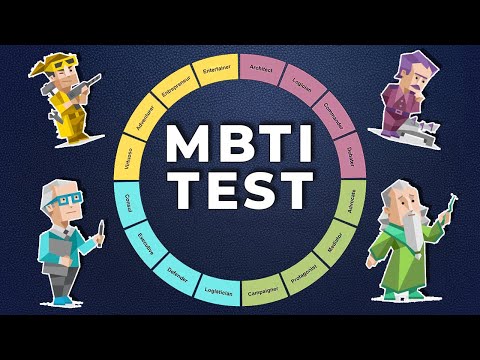
Hey! So, you ever feel like you’re just trying to figure yourself out? Like, what even makes you tick? Seriously, it’s a vibe we all know.
You might have heard about this thing called the 16 Personalities Test. It’s kind of a big deal in the realm of self-discovery. I mean, it’s not just some random quiz online that tells you which Disney princess you are. No way! This one digs deeper into who you really are.
It’s cool because it gives you insights about your personality traits. And guess what? Knowing this stuff can really help with relationships, work life, and just overall vibes.
So, ready to take a little journey into your own mind? Let’s explore this together!
Understanding the 16PF Personality Test: Insights into Psychology and Personality Assessment
The 16PF Personality Test, developed by Raymond Cattell, is one of those tools that can really open the door to understanding yourself better. It’s like holding up a mirror to your personality and seeing what’s really going on behind the scenes. So, what’s the deal with this test? Let’s break it down.
What is 16PF?
The 16 Personality Factor Questionnaire, or 16PF for short, assesses a range of personality traits. It’s designed to measure normal personality characteristics—basically, it’s not about diagnosing mental health issues but delving into who you are. Picture it as a map of your emotional landscape.
How does it work?
This test includes 185 multiple-choice questions that you answer based on how you feel or behave in different situations. It covers a wide spectrum of traits—hence the name «16PF.» Each of these factors can give insights into how you might act in various scenarios. For example:
- Warmth: This trait might reflect how friendly and approachable you are.
- Reasoning: It gauges your ability to think logically and problem-solve.
- Sensitivity: This measures how in tune you are with your own feelings and those of others.
Why is it useful?
Now, why would someone want to take this test? Well, many people find that understanding their personality helps them make better choices in life—from picking friends to choosing careers. For instance, if you’re high on “social boldness,” you might thrive in roles requiring lots of interaction, like sales or teaching.
And here’s a little story for context: A friend of mine took the 16PF when she was struggling with her career direction. She found out she scored high on creativity but lower on dominance. This insight helped her shift from a management role she was trying to fit into toward something more aligned with her artistic skills.
The factors at play
So what are these 16 factors? They are grouped under broader categories like:
- Tension: How much stress do you deal with?
- Mental Ability: Your cognitive processing speed.
- Affectivity: Your emotional responses and stability.
Each factor gives depth to your personality profile and helps paint a fuller picture.
Liking and Dislikes
It’s important to consider that while taking this test can be eye-opening, it’s not all fun and games. People can sometimes feel defensive about what they learn—or even find parts they don’t like about themselves. That’s normal! It’s part of the process, honestly.
In summary, the **16PF** isn’t just a test—it’s a tool for self-discovery. Whether you’re looking for personal growth or career development insights, it opens doors to understanding yourself more clearly than ever before. Just remember: it’s only one piece of your identity puzzle!
Discovering Free Alternatives to the Myers-Briggs Test for Understanding Your Personality Type
So, you’re curious about understanding yourself a little better without shelling out cash for those personality tests, huh? Good news! There are some solid free alternatives to the Myers-Briggs test that can help you explore your personality type. Let’s break it down.
First off, what’s the deal with these tests? They’re designed to give you insight into your behaviors, preferences, and how you interact with others. The Myers-Briggs Type Indicator (MBTI) is super popular, but it can be pricey. Luckily, there are free options that capture some of its essence.
One such alternative is the **16 Personalities test**. It’s based on MBTI frameworks but tweaked a bit for more ease of use. You can take it online and get a detailed report about your personality traits along with strengths and weaknesses—super handy for self-discovery.
Another good one is the **Big Five Personality Test**. This one looks at five main traits: openness, conscientiousness, extroversion, agreeableness, and neuroticism. It’s pretty straightforward and gives you insights into how you might approach life and relationships. Plus, it’s often used in real-world psychology research!
There’s also the **Enneagram test**, which classifies personalities into nine different types. Each type has its own unique motivations and fears—understanding these can be quite revealing! Some people swear by this one for personal development.
You might wanna check out **Personality Perfect**, too. It offers a free assessment similar to MBTI but breaks down results in user-friendly terms without all the fluff. You don’t need to pay to see what makes you tick!
Lastly, there are some quizzes on platforms like 16Personalities.com or Truity.com that let you explore even more facets of your personality—all without emptying your wallet.
When I took one of these tests recently, I was like “Whoa!” after reading my results. It was eerily accurate—it pointed out how I prefer working alone sometimes but still thrive in group settings when needed (hello ambivert). Seriously eye-opening!
So yeah, while the Myers-Briggs model has its merits, there are plenty of free alternatives out there that can help you delve into your personality without spending a dime. Just pick one that resonates with you and see where it takes you!
Discover Yourself: Take the Free 16 Personalities Test Online for Insightful Self-Discovery
The 16 Personalities test is like a fun little journey into understanding yourself better. Have you noticed how sometimes, you just click with certain people or feel completely out of place in a situation? That’s where this test comes in. It’s based on the Myers-Briggs Type Indicator (MBTI) and helps shed light on your unique personality type.
By answering a series of questions, you’ll discover which of the 16 types fits you best. The thing is, each type has its own quirks and traits that can really reflect how you interact with the world around you. For example, maybe you’re super organized and love planning everything (hello, Judging types!) or perhaps you’re more spontaneous and prefer to go with the flow (shoutout to the Perceiving types!).
Here are some key points about taking this test:
- Self-Reflection: Taking the test encourages you to think about your preferences in different situations.
- Personal Growth: By understanding your personality type, you can identify areas for growth and improvement.
- Relationships: Knowing your type can help improve relationships by understanding how different personalities interact.
- Career Choices: This insight might guide you towards career options that align better with your natural tendencies.
A friend of mine once took the test out of sheer curiosity. She never thought much about her personality until she saw her results: an ENFP (Extraverted, Intuitive, Feeling, Perceiving). It was like a lightbulb went off! Suddenly she understood why she thrived in creative environments but struggled in really structured jobs.
One cool part? Each personality type comes with strengths and weaknesses. For instance, if you’re an ISTJ (Introverted, Sensing, Thinking, Judging), you’ll probably be super dependable and practical but may struggle with adapting when plans change suddenly. It’s all just part of being human.
So basically, taking the 16 Personalities test isn’t about boxing yourself into a label; it’s more about opening doors for self-discovery and growth. You might find it helps clarify why you feel certain ways or react in specific situations.
After getting your results, don’t just toss them aside! Dive into what they mean. Reflect on how they resonate with your life experiences—this introspection is seriously valuable for personal development.
In short, if you’re curious about yourself—and let’s be real here who isn’t?—taking this free online test could be a fun step toward greater self-awareness!
You know, everyone goes through those moments when they just wanna figure themselves out a bit better. I mean, life can get super complicated, and understanding your personality might help you navigate the craziness. That’s where tools like the 16 Personalities Test come in. It’s like a fun little quiz that dives into who you are based on a mix of psychological principles, especially Jungian psychology.
So, I remember when I first took the test. I was feeling kinda lost and overwhelmed with decisions about my career and relationships. At first, I thought, “What’s the point of this?” but then I clicked through the questions. It felt like peeking behind a curtain to see parts of myself that were hidden away. When my results popped up—ENFP, if you’re curious—it was like someone held a mirror up to me and said, “Hey! This is you!” The description really nailed things about how I approach life and make connections with others.
The cool thing is that it doesn’t just stop at labels. Sure, being an ENFP sounds nice, but it’s more about what that means for me in real life. Like understanding why I crave social interactions and sometimes struggle with follow-through can be super helpful when I’m making choices or dealing with challenges.
But it’s not all roses and sunshine either! Some folks might find themselves stuck on whether they fit neatly into these categories or not. And that’s totally normal—our personalities are complex! Sometimes people rush to define themselves too narrowly by their type instead of appreciating the nuances.
Anyway, if you’re looking for a way to dip your toes into self-discovery without too much pressure or judgment, giving this test a shot might be worthwhile. Just keep in mind it’s one piece of the puzzle. So go ahead; see what your results say about you!