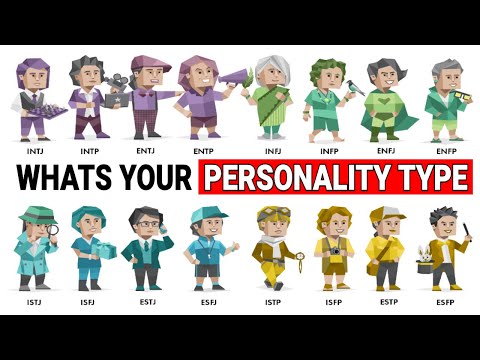
Alright, so let’s chat about personality types. You know, those little labels we slap on ourselves that sort of explain why we act the way we do?
Well, there are like 16 of them, and they can be super useful in understanding mental health. Seriously.
Imagine you’re talking to someone who just gets you because they see your quirks and strengths clearly. That’s what personality types can do!
They help us figure out how we think, feel, and interact with the world. And honestly? Sometimes it can clear up a lot of confusion about why you feel a certain way in different situations.
So grab a snack, get comfy, and let’s dive into this colorful world of personality types and see how they fit into our mental health journeys!
Exploring Personality Types in Mental Health: A Comprehensive Guide
Exploring personality types can feel like trying to untangle a ball of yarn. It’s complex, but once you start to see the patterns, it all makes more sense. So, let’s chat about how personality types relate to mental health and why they matter.
First off, the 16 personality types come from a theory rooted in Carl Jung’s ideas and later developed by Isabel Briggs Myers and Katharine Cook Briggs. Each type is defined by four dichotomies:
These combinations create distinct personalities, like ENFPs or ISTJs, which can all influence how someone experiences mental health struggles.
For example, let’s say you’re an ISFJ—someone who tends to be very nurturing and detail-oriented. You might find yourself overwhelmed in stressful situations because you naturally want to take care of others. This is great most of the time but can lead to burnout if not managed well.
Now think about an ENTP—those are the brainstormers always looking for new ideas. They thrive on creativity and excitement! But when faced with overwhelming anxiety or depression, they may struggle because it clashes with their desire for freedom and exploration.
It’s important to recognize that each personality type has its own strengths and weaknesses when it comes to mental health. For instance:
Here’s a quick story: I had a friend who was an INFP—super sensitive and idealistic. She would often feel crushed whenever things didn’t go as planned or when she faced criticism. Knowing her personality helped us frame her experiences better; we realized she needed more time alone to recharge than others did.
Recognizing your own or someone else’s personality type can bring clarity in therapy settings too! Therapists often use these insights to tailor their approach — like being more structured for a Judging type while giving more flexibility for a Perceiving type.
But hey, don’t box yourself in! Personality types are just tools for understanding tendencies; they don’t define you completely. People change over time based on their experiences and growth.
In summary, exploring personality types reveals valuable insights into mental health contexts:
– Understand tendencies: Recognizing how various personalities react helps in managing stress.
– Tailor approaches: Therapy can become more effective by aligning methods with personality traits.
– Encourage self-awareness: Knowing your type can empower you in navigating your emotions better.
So next time you’re feeling off track, maybe think about how your personality plays into your mental health? It could be the key that unlocks new ways for you to cope and connect with others!
Exploring the Connection Between Personality Traits and Mental Health: Insights and Implications
So, let’s chat about the connection between personality traits and mental health, especially when we look at those 16 personality types. You know, personality traits play a big role in how we feel and handle life challenges. It’s like your personality is a map, guiding you through the ups and downs of mental health.
Big Five Personality Traits are often used to understand how our personalities affect our mental well-being. They include:
- Openness: People who score high here tend to be more imaginative and open to new experiences. This can lead to greater creativity but may also make them more vulnerable to anxiety.
- Conscientiousness: Those high in this trait are usually organized and dependable. This can mean better coping skills but also risk of stress if they’re too hard on themselves.
- Extraversion: Extraverts often thrive in social settings, which can be great for support systems. But if they depend too much on social interaction, they might feel lonely when alone.
- Agreeableness: Highly agreeable folks like harmony and cooperation. This trait helps maintain relationships, but it can lead to burnout if one constantly puts others’ needs first.
- Neuroticism: High levels here can mean more emotional instability or anxiety. Individuals may struggle with stress and be more prone to mood disorders.
Now, let’s get into those 16 personality types from the Myers-Briggs Type Indicator (MBTI). Each type has its unique quirks that relate back to mental health.
For example, an INTJ, known for their strategic planning, might excel in setting long-term goals for therapy but could struggle with feeling misunderstood by others due to their introverted nature. On the flip side, an ESFP, who thrives on spontaneity and excitement might find it hard to deal with routine or structure in their treatment plan.
I remember a friend who’s an INFP. They’re so creative and idealistic but often have this inner turmoil because they feel things so deeply. It made therapy both challenging and rewarding since they needed help navigating those intense emotions without getting overwhelmed.
But here’s the kicker: sometimes certain personality traits can make someone more susceptible to mental health issues or even influence how they respond to therapy. For instance:
- An ESTJ, who values order and tradition might have a tough time adjusting if they face unexpected changes or disorder in their lives.
- ISFJs, known for being nurturing could potentially neglect their own needs while caring for others, which might lead them down a path of burnout or depression.
- A ENTP, always filled with ideas and enthusiasm might struggle with follow-through—this could create tension when trying out new coping strategies.
Recognizing these patterns isn’t just about labeling someone as “one type” or another; it’s about understanding how these traits shape experiences. It helps therapists tailor their approaches according to an individual’s strengths and struggles.
By exploring these connections between personality traits and mental health, you gain insights that can really inform treatment strategies. You see? It’s all intertwined—our personalities frame our perceptions of difficulties while shaping our resilience as well.
This kind of understanding not only empowers individuals but also gives clinicians valuable tools for developing effective interventions tailored just for you!
Understanding Type A Personalities: Are They Naturally Controlling?
Type A personalities are often described as competitive, ambitious, and sometimes a bit controlling. But what does that really mean? Basically, these folks tend to be highly driven and focused on achieving their goals. You know those people who seem to be on a never-ending quest for success? Yeah, that’s a Type A for you.
Now, let’s unpack the whole “controlling” aspect. When we think of controlling behaviors, it’s not all about being bossy or demanding (though it can look like that sometimes). For Type A individuals, it often stems from a need for order and predictability in their lives. They just want things done right—mostly their way! Seriously, I had this friend in college who would plan our study sessions down to the minute. It drove us all a little nuts but she got great grades.
The thing is, not every Type A personality is controlling in the same way. Some might just be super organized and like to keep things in check. They enjoy taking charge of projects or timelines because it gives them comfort and security. Others might push boundaries a bit more, wanting to have the final say, which can create friction in group settings.
Here are some key points about Type A personalities:
- High Achievement Orientation: They set high standards for themselves and often feel pressured to meet them.
- Time Urgency: If you’re ever around someone who’s always checking the clock and tapping their foot impatiently? Yup, classic Type A behavior.
- Competitive Nature: It’s not just about winning; it’s about proving they can do better than anyone else.
- Stress Prone: With all this striving comes stress. They often experience anxiety if they feel anything is out of control.
- Leadership Qualities: Many Type As naturally fall into leadership roles due to their drive and decisiveness.
But here’s where things get tricky: This need for control can lead to burnout. If you’re constantly pushing yourself or others too hard, you risk running out of steam. I remember my friend eventually found herself overwhelmed with her schedule—and yeah, burnout isn’t pretty.
Also worth noting is how these traits show up in mental health contexts. While striving for excellence isn’t inherently bad, if it leads to feelings of inadequacy or chronic stress, that’s when you might want to take a step back. Sometimes talking with someone—a therapist or trusted friend—can really help put things into perspective.
In short? Type A personalities can indeed lean toward being controlling at times due to their driven nature and desire for structure. But remember: it varies wildly from person to person! Understanding this can help us make sense of how we work together in teams or friendships—and maybe find ways to lighten up along the way!
You know, personality types are kind of interesting, especially when you think about how they fit into mental health. So, there’s this thing called the Myers-Briggs Type Indicator (MBTI), which breaks down human behavior into 16 different personality types. Each type has its own quirks, strengths, and challenges, and honestly, understanding these can really help when you’re looking at mental health.
For example, take someone who is an INTJ—those folks are usually seen as strategic thinkers. They might struggle with social interactions or express their emotions differently than others. If they’re feeling overwhelmed or facing a mental health issue like anxiety or depression, it could be more challenging for them to reach out for help because of their tendency to internalize feelings. It’s not that they don’t want support; it’s just not their go-to move to talk things through.
On the other hand, you might have an ESFJ—these are the warm and friendly people who thrive on connecting with others. They’re usually pretty in tune with group dynamics but can feel pressure to keep everyone else happy. If they’re dealing with something like stress or burnout, their natural instinct might be to put everyone’s needs before their own until they completely run out of steam.
I remember chatting with a friend who’s an ENFP. She’s always bubbly and optimistic but was hit hard by some personal stuff last year. It was wild seeing how her personality shone brightly at first—she was all about life and ideas—but then she started shutting down a bit when it got too heavy for her to handle alone.
So basically, understanding these personality types can shed light on why people react the way they do in tough times. It gives us a way to see beyond just symptoms of mental health conditions and consider how someone’s core personality colors their experiences and coping mechanisms.
And no matter what your type is—whether you’re more introverted or extroverted—it’s important to remember that you’re not alone in this world of feelings and thoughts that’s sometimes really confusing or overwhelming. Recognizing how your personality plays into your mental health journey can make the process feel a little less isolating—you follow me? It’s all connected in this big web of human experience!