So, have you ever taken one of those personality tests? You know, the ones that ask you a ton of questions about how you feel or react in different situations? They can be kind of fun, right? But they also reveal some deep stuff about how your brain works.
Well, there’s this one called the 16PF Questionnaire. It’s a bit of a mouthful, huh? But trust me, it’s super interesting. This thing digs into your personality traits and helps with everything from understanding yourself better to improving your relationships. Basically, it’s like having a little roadmap to your own mind.
People use it for all sorts of reasons—like career choices or even personal growth. And the best part? It’s all about you! So grab a comfy seat because we’re about to dive into how this questionnaire can really change things for you.
Understanding the 16PF Questionnaire: Unraveling Personality Traits for Better Mental Health Insights
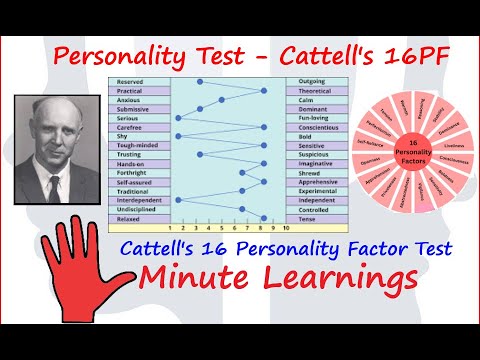
The 16PF Questionnaire is a pretty interesting tool when you’re digging into someone’s personality traits. Developed by Raymond Cattell, it focuses on 16 primary factors that describe various aspects of our personalities. This can be really helpful for understanding ourselves or others better.
So, what are these 16 traits? They’re like different pieces of a puzzle that make up who we are. Here’s a quick rundown:
- Warmth: This trait measures your ability to connect with people. Do you enjoy being social or prefer being alone?
- Reasoning: Kind of like your problem-solving skills. It looks at how well you can think abstractly.
- Emotional Stability: This is all about how well you handle stress and emotional turbulence.
- Dominance: It describes whether you’re assertive and take charge or more laid-back.
- Liveliness: Are you energized and enthusiastic, or more reserved?
- Rule-Consciousness: This checks how much you value rules and order in your life.
- Sensitivity: Looks at how empathetic and responsive you are to others’ feelings.
- Vigilance: Measures how cautious or suspicious you might be around others.
- Aberration: It’s about how much your thoughts and behaviors might stray from societal norms.
- Self-Reliance: How comfortable are you being independent versus relying on others?
- Anxiety: This trait captures how prone you are to feeling anxious or worried.
- Tension: Looks at whether you’re generally relaxed or often feel tension inside.
- : Measures your self-esteem—do you believe in yourself?
- This considers how persistent and disciplined you are in tasks.
When it comes to mental health insights, the 16PF can really illuminate areas where someone might struggle. For example, if someone scores low on Emotional Stability, they might be more prone to anxiety or mood swings. Understanding where these traits lie can help guide therapy sessions.
Consider this: if you’re working with someone who frequently feels overwhelmed by stress, their high level of Anxiety on the questionnaire can direct the therapist toward specific coping strategies tailored for them. It’s kind of like a map showing the way.
Now, as interesting as this all sounds, it’s important not to box people in just based on their scores. The thing is, our personalities can change over time and with experiences. Remember that friend who seemed shy but blossomed into an outgoing person after some life changes? That growth is totally valid!
Another cool aspect of the 16PF is its applicability beyond just therapy—it’s used in workplaces too! Employers may use it to find out if a candidate fits into their company culture or if they’d thrive in team settings.
Sure, personality tests aren’t perfect; there are critics out there who say they oversimplify complex human nature. But when used thoughtfully, the 16PF Questionnaire offers some pretty valuable insights into ourselves and those around us.
So next time you’re curious about someone’s personality—or even your own—consider looking into the 16PF Questionnaire. Just remember that while it’s useful for understanding traits, there’s so much more to each person’s story than what any list could ever show!
Is the 16PF Personality Test Still Relevant in Modern Psychology?
The 16PF Personality Test, developed by Raymond Cattell, has been around since the 1940s. So, the question of its relevance today pops up quite a bit. The thing is, even with all the advancements in psychology and personality assessments since then, 16PF still holds a place in modern psychology. Let’s break it down.
First off, what’s the 16PF? Basically, it’s a self-report questionnaire that measures 16 primary personality factors. It helps reveal different shades of personality beyond just ‘introvert’ or ‘extrovert.’ You know how we all have that friend who seems chill but then surprises you with their wild side? That’s what 16PF tries to catch—those deeper layers of personality.
One of the big reasons people still find this test useful is its ability to provide a well-rounded view of an individual. Unlike some other tests that might just slap a label on you based on a couple of traits, 16PF digs deeper. It covers aspects like emotional stability, openness to change, and interpersonal relationships. This multi-dimensional approach can really help in understanding how someone might act in different situations.
Another point to consider is its application. The test isn’t only for personal insight; it’s also used in various professional settings. Businesses sometimes use it to help with hiring decisions or team dynamics. Can you imagine being part of a team where everyone understands each other’s strengths and weaknesses? That’s where this test shows its value.
But let’s be honest: there are criticisms too. Some folks claim that personality tests can be pretty faddy and that newer approaches—like those based on neuroscience—are much more accurate these days. While these points have merit, it’s essential to recognize that the 16PF has undergone revisions over time to stay relevant.
Moreover, reliability and validity are crucial when talking about any psychological test; luckily for the 16PF, research shows it maintains both pretty well. Studies indicate it’s consistent over time and accurately reflects what it aims to measure—a win-win!
So yeah, while some newer tests pop up now and then—and while people’s understanding of personality continues evolving—the foundation laid by the 16PF is still strong today. Some see it as an outdated relic; others find value in its depth and application possibilities.
In sum: if you’re looking into personality tests or trying to understand yourself better, consider what role traditional methods like the 16PF can play. It might just resonate with you!
Understanding 16PF Test Scores: What Constitutes a Good Result?
The 16PF (Sixteen Personality Factor) Questionnaire is a popular tool in the world of psychological assessment. It measures various personality traits that can help with personal growth, career choices, and understanding how you relate to others. But what’s the deal with the test scores? What really constitutes a «good» result?
First off, let’s talk about what those scores mean. The 16PF gives you scores on 16 different factors, like warmth, reasoning, emotional stability, and more. Each score can range from low to high.
So what’s considered good? Well, it depends on several factors:
- Context is Key: Different settings require different traits. For instance, if you’re in a job that needs a lot of teamwork, scoring high on warmth might be advantageous.
- Norms: Your scores are often compared to a normative group—people who took the test before you. A score in the average range means you’re pretty typical for your demographic.
- Balance: Sometimes having extreme scores isn’t great. For example, a very high score on dominance might suggest being overly aggressive or controlling in team settings.
Now here’s where it gets interesting: people often think higher is always better. That’s not always true! Let’s say you scored very low on emotional stability and high on anxiety; that could indicate that you’d really struggle under stress.
Think about your life experiences too. If you’ve faced something challenging but pulled through, maybe your lower scores in certain areas show resilience rather than weakness.
Also worth mentioning is how these scores can guide self-improvement. For example, if you notice you’re low on sociability but want to make more friends or network better at work? You could set goals around being more open or engaging in social activities.
Lastly, don’t forget about follow-up assessments! Taking the 16PF isn’t just about those numbers; it’s also an opportunity for growth over time. You may choose to take it again after working on some of those personality areas that felt lacking.
In summary: A «good» score is really subjective and situational—a mix of context, norms, balance among strengths and weaknesses, and personal aspirations all play into it. It’s about getting a clearer picture of who you are and where you’d like to go next!
So, the 16PF Questionnaire, huh? It’s one of those tools that really gets into the nitty-gritty of who you are. When you take it, it kind of feels like peeling an onion—layer by layer, you uncover your traits and tendencies. I remember when a friend of mine went through the process. He was all nervous about what his results would show. Like, he seriously thought he’d find out he was a secret alien or something!
Anyway, what happens is this questionnaire dives deep into personality dimensions—like warmth, abstract thinking, emotional stability, and even your level of boldness. It’s pretty fascinating because these traits shape so much of our everyday lives. You know, how we relate to others and tackle challenges.
In psychological assessment, the 16PF can offer valuable insights for therapists or counselors trying to understand their clients better. It’s like giving them a roadmap to navigate through a person’s mind and motivations. Imagine you’re going on a road trip without a map—it’d be tough to find your way! Well, this tool gives professionals that necessary clarity.
But it doesn’t stop with just assessment. Growth is where things get really interesting! Once someone understands their personality profile from using the 16PF, they can identify areas for improvement or development. For instance, if someone finds they score low in assertiveness but know they need that skill at work or in relationships—it’s like holding up a mirror and saying “Hey! Let’s work on this!”
And yeah, while the questionnaire might sound a bit technical at first glance, it can spark some serious personal reflection. Like my friend found out he was more introverted than he thought; this led him to try joining social clubs more often—even though he struggled at first! But guess what? He ended up making great friends along the way.
It’s cool how something as simple as answering questions can lead to real change in someone’s life. It’s not just about knowing yourself better; it’s about using that knowledge to grow and evolve over time. So whether you’re facing hurdles in relationships or figuring out career paths—tools like the 16PF can be game changers in understanding why you do what you do.