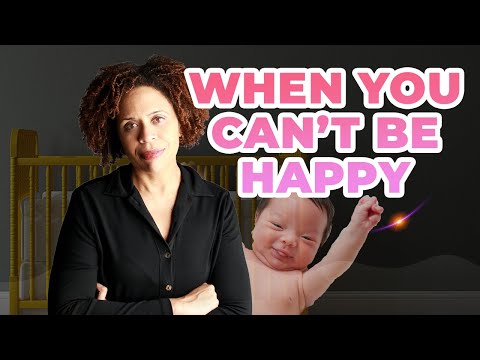
So, you just had a baby, huh? Congratulations! It’s a wild ride, for sure. I mean, one minute you’re glowing with excitement, and the next, you’re like, what have I done?
Those first couple of months? They can feel like a blur. You’re adjusting to sleepless nights and endless diaper changes. And hey, amidst all that craziness, there’s your mental health to think about too.
It’s totally normal to feel a mix of joy and overwhelm. But let’s be real: sometimes those feelings can get pretty heavy. You might wonder if what you’re experiencing is just part of the journey or something deeper.
So let’s chat about postpartum mental health—what it looks like two months after birth and how to navigate those tricky waters. You’re definitely not alone in this!
Understanding Mental Health: The First Two Months Postpartum for Women
Being a new mom is one of the most incredible experiences, but the first two months postpartum can be, well, super intense. You have this tiny human depending on you for everything, and that’s a lot of pressure. Just know that whatever you’re feeling is totally valid, and you’re not alone in this journey.
Emotional Rollercoaster
After giving birth, it’s pretty typical to feel a mix of emotions. Joy, anxiety, sadness—you name it. Many women experience what’s often called the “baby blues.” This can hit you just a few days after delivery and usually lasts for about two weeks. It might feel like you’re on an emotional rollercoaster—one moment you’re bursting into tears over spilled milk; the next, you’re grinning at your sweet little one.
Hormonal Changes
Let’s not forget about hormones! Your body has been through some serious changes, and those hormones are doing their thing (or not). All those shifts can lead to mood swings and even feelings of irritability or sadness. Basically, your body is adjusting back to “normal,” whatever that is after having a baby.
Signs of Postpartum Depression
Now, it’s important to pay attention to how you’re feeling beyond just the baby blues. If feelings of sadness last longer than two weeks or get worse instead of better, it could be postpartum depression (PPD). Some common signs include:
- Persistent sadness or hopelessness.
- Loss of interest in activities you used to enjoy.
- Irritability and anger.
- Difficulty bonding with your baby.
- Thoughts about harming yourself or your baby.
If any of these resonate with you—please talk to someone! Reach out to your doctor or a mental health professional. Trust me; getting support makes all the difference.
The Importance of Support
Honestly? Support systems are game-changers during this time. Whether it’s family, friends, or partners—having people around who understand what you’re going through can really help lighten the load. Feeling overwhelmed? It’s okay to ask for help with meals, cleaning up around the house, or babysitting while you take a breather.
Your Needs Matter Too
Look, as a new mom, it can be easy to forget about yourself while caring for your baby. But taking care of YOU is just as important! Make sure you’re eating well and getting some rest whenever possible—even if that means napping when your little one naps. And—if you need some time alone away from all things baby? That’s perfectly alright!
All in all, these first couple months after birth can be both beautiful and challenging. Know that it’s okay to feel off sometimes; it’s part of this wild ride called motherhood. Reach out for support when needed because everyone deserves help navigating such huge life changes—you included!
Understanding Postpartum Emotions: What to Expect at 2 Months After Giving Birth
So, you’ve just had a baby, and now it’s two months later. What’s going on with your emotions? Well, let me tell you: the postpartum period can be a real rollercoaster. Seriously, it’s like your feelings are on a wild ride that swings from elation to exhaustion in no time at all.
At this stage, it’s common to feel a mix of joy and anxiety. You might look at your little one and feel pure love, but then suddenly feel overwhelmed or worried about how you’re doing as a new parent. One minute you’re all smiles; the next, you catch yourself tearing up over things that never bothered you before. It’s totally normal—your body is going through some pretty big changes right now.
After giving birth, it takes time for hormonal levels to balance out again. You’ve got estrogen and progesterone doing their thing, which can play games with your mood. Riding those hormonal waves can lead to mood swings, irritability, or even the famous «baby blues.» So if you find yourself feeling weepy or irritable, just remember: it’s not just in your head.
You might also feel exhausted! Not just sleepy but totally drained. Sleep deprivation is real when you’re caring for a newborn. Those late-night feedings? They can really mess with your head! Lack of sleep often exacerbates feelings of sadness or anxiety too.
Sometimes, it helps to talk to someone who gets it—like other new moms or even friends who’ve been through this before. A good support system is key. Sharing stories can offer relief; knowing other parents are going through similar stuff can make you feel less alone in this journey.
But here’s something important: you need to keep an eye on how you’re feeling. If you notice that sadness stretches beyond the typical “baby blues” or if anxiety starts creeping in and hangs around for weeks without any sign of fading—well, that could be something more serious like postpartum depression (PPD). PPD isn’t just about feeling sad; sometimes it’s an overwhelming sense of being out of control or constantly anxious about the baby’s health.
Here are some signs to watch for:
- Persistent sadness that doesn’t seem to go away.
- Feelings of worthlessness or guilt.
- A loss of interest in activities you used to enjoy.
- Sleeplessness even when the baby is sleeping (and trust me—this one really sneaks up on you).
If any of these sound familiar, don’t hesitate to reach out for help. Your feelings matter, and talking to a professional could really help clear up those cloudy thoughts.
Don’t forget self-care too! This might mean getting some fresh air—even if it’s just a stroll around the block with the baby—or asking family members for help while you take a well-deserved break. Prioritizing yourself isn’t selfish; think of it as recharging your batteries so you can be fully there for your little one.
So as those two months roll on after birth, remember: It’s okay not to have everything figured out right away.Your emotions are valid, and reaching out for support isn’t weakness—it shows strength and love for both yourself and your baby. You’ve got this!
Understanding Postpartum Recovery: How Long Does It Take for Women to Heal Mentally After Birth?
So, let’s talk about postpartum recovery, especially when it comes to mental health. Having a baby is a big deal, right? It’s like this whirlwind of emotions, hormones, and changes—both physical and mental. Seriously, it can feel like you’re on a rollercoaster with no end in sight.
Now, how long does it take for women to heal mentally after giving birth? Well, the truth is it varies. Every woman is different, and so is every birth experience. For many, the initial couple of weeks post-birth might be a struggle just due to all that adjustment stuff. But it’s not just about those early weeks; recovery can go on for months.
Let’s break this down:
- The first two weeks: This is often a period where new moms might feel overwhelmed or even experience things like mood swings. It’s all part of what they call the «baby blues.» So don’t freak out if you’re feeling teary or suddenly super happy one minute and down the next.
- Weeks two to six: Some women start to feel better during this time, while others may notice that their feelings aren’t improving. This is crucial because if you’re still feeling low or anxious beyond those first few weeks, it could be something more serious—like postpartum depression (PPD).
- After six weeks: By now, many women begin finding their rhythm with baby life. Still, some might remain in a rough patch longer than they expected. This can totally happen—don’t think you’re alone!
- Up to a year: Believe it or not, some women may face mental health challenges way past the initial months after giving birth. The idea here is that healing doesn’t exactly follow a strict timeline; it’s more about how you feel.
You see? There’s no one-size-fits-all answer here. Sometimes you might read stories where women bounce back almost immediately—it can be inspiring but also intimidating if your experience looks different.
I met someone who shared her journey with me recently. She had her baby and thought everything would just click into place—that she’d naturally transition into this mom life without any hitches. But honestly? She struggled for months dealing with feelings of isolation and anxiety… all while thinking she should have been handling everything perfectly by now! Sound familiar?
The thing is—you deserve time to heal at your own pace. If you find yourself confused or worried about how you’re feeling mentally after birth—even at two months or three—you should really reach out for support! There are professionals out there who can help make sense of these emotional swings.
A key thing to keep in mind is recognizing signs that might need attention: persistent sadness, extreme mood swings, detachment from your baby—all of these are red flags to look out for.Your feelings matter, and reaching out isn’t just okay; it’s crucial!
Your journey through postpartum recovery isn’t linear—it’s more like climbing a mountain with ups and downs along the way. And remember—to embrace your own timeline without comparing yourself to others! Healing takes time but having support systems in place can really make everything easier as you navigate through this incredible yet challenging chapter of life.
So, here’s the thing about postpartum mental health—it’s a topic that doesn’t get nearly enough airtime. You know? One day you’re expecting a baby and dreaming about all those moments, and then BAM! You’re in the thick of it, two months after giving birth, and everything feels way more complicated than you thought it would.
I remember my friend Sarah vividly. After having her little one, she was on cloud nine for like, the first week. The excitement was through the roof! Then things shifted. She started feeling this weird mix of joy and sadness that didn’t quite make sense. Sometimes she’d look at her baby and feel this overwhelming love, but other times? It felt like the weight of the world was on her shoulders.
This isn’t just random—it’s pretty common post-birth. There’s this hormonal rollercoaster going on inside your body, which can lead to anxiety or even depression for many women. And it’s not just “baby blues.” It’s real stuff that needs attention.
Two months in can be a tricky balance as you navigate sleepless nights and endless feedings while also trying to find your footing with this new identity as a mom. But when you’re feeling down or anxious during what’s supposed to be such a joyful time, it can be isolating. You’re looking around at everyone else who seems fine—or at least is posting cute pictures on social media—and you’re left wondering why it feels so hard for you.
It’s crucial to talk about these feelings, even if they seem small or silly. Connecting with other moms can help because they get it; they’ve been there too. Your circle could include friends or family who know how tough those early days can be or could even be in-person support groups where sharing stories makes all the difference.
And let’s not forget about self-care—it sounds cliché but seriously, taking even five minutes for yourself matters! Whether that’s sipping some tea alone or taking a walk while someone else holds the baby for a bit, those little acts can make a world of difference in how you’re feeling.
If you’re out there reading this and nodding along—know that it’s okay to seek help if things are feeling heavy after two months postpartum. You shouldn’t have to carry all that alone! Therapy can offer support too; professionals are trained to help people through this foggy period of life.
Just remember: being open about your journey is key. So share your ups and downs because trust me, someone else will relate—and maybe even find some comfort from your honesty along the way. You’re doing an amazing job navigating this wild journey called motherhood!