Hey there! So, let’s chat about something a little unusual today. You ever heard of the 24 Hour Non Sleep Wake Syndrome? Yeah, sounds like a mouthful, right?
But seriously, it’s more common than you think. Imagine staying awake for a whole day without catching any Z’s. I mean, from start to finish… no snooze button involved!
Crazy, huh? It can mess with your head in ways you might not even realize. Your brain starts acting all wonky!
Let’s dig into this wild ride of sleeplessness and see what really goes down when you challenge your mind like that. Buckle up—it’s gonna be interesting!
Effective Strategies to Manage and Overcome Non-24-Hour Sleep-Wake Disorder
Non-24-Hour Sleep-Wake Disorder can be a real challenge. Imagine trying to keep a regular schedule, but your body just won’t play along. It’s like being awake when everyone else is asleep, and sleeping when they’re all wide awake. So let’s break down some effective strategies to help manage and overcome this condition.
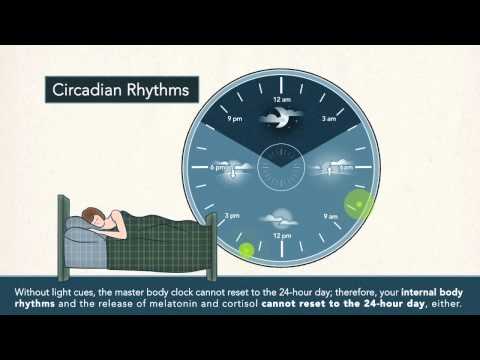
First off, understanding your body’s rhythm is key. This disorder messes with your circadian rhythm, which is basically your internal clock. You know how some people wake up at the crack of dawn full of energy? Well, if you’ve got Non-24, your clock isn’t ticking the same way. So tracking your sleep patterns and noticing when you feel most alert or tired can really help pinpoint where the issues are.
Another strategy involves maintaining a consistent schedule. I know it can be tough because you might feel sleepy at odd times compared to everyone else, but try to stick to a sleep-wake schedule as much as possible. Set specific times for going to bed and waking up—even on weekends! It might help retrain that internal clock of yours.
Next up is light exposure. Light plays a huge role in regulating our sleep cycles. If you’re struggling with Non-24, implementing light therapy could be beneficial. You’d want to get bright light exposure in the morning and avoid it in the evening when you’re winding down for bed. Think about using a light box if natural sunlight isn’t available—seriously can make a difference.
Creating a calming bedtime routine can also work wonders. You know how some people have that ritual before bed? Like reading or taking a warm bath? Creating an environment that signals it’s time to wind down will help tell your body that it’s time for rest instead of making it think “party time!”
Also, consider cutting out things that might disrupt your sleep like caffeine or heavy meals close to bedtime. It sounds simple, but sometimes those little changes can really affect how well you sleep.
Some folks find relief through medications, too—though this should always be discussed with a healthcare professional first! While meds aren’t the only fix (and usually not the first go-to), they can provide some stability while working on those other strategies.
Lastly, don’t underestimate support systems. Talking about what you’re going through with friends or family or even joining support groups could provide comfort and understanding from people who get it. You’re not alone in this!
Dealing with Non-24-Hour Sleep-Wake Disorder isn’t easy—it’s frustrating more than anything else sometimes! But remember: finding what works for you takes time and patience. Just keep experimenting with these strategies until something clicks!
Understanding Night Watchman Syndrome: Symptoms, Causes, and Coping Strategies
Night Watchman Syndrome seems to be one of those conditions that really fly under the radar. Seriously, many people don’t even know it exists! So, let’s break this down together. It’s often related to something called “Challenging the Mind: The 24 Hour Non-Sleep Wake Syndrome.” Basically, if you’re someone who can’t seem to catch a wink of sleep for long periods and feels strangely awake, you might relate.
Symptoms can vary a lot from person to person. Some common ones include:
- Extreme fatigue: Even though you haven’t slept much, you still feel oddly alert.
- Sleep disturbances: Those random awakenings are super common, often at strange hours.
- Cognitive issues: You may find it hard to concentrate or think clearly.
- Mood swings: Feeling irritable or moody can pop up when you least expect it.
I’ve spoken with folks who experience this and they often share how frustrating it is. Picture someone trying to enjoy a movie late at night but they’re so exhausted that they just end up staring blankly at the screen. It’s like being in a waking nightmare.
Now, let’s chat about causes. This isn’t one-size-fits-all; there can be several factors at play:
- Anxiety and stress: High levels of these can really mess with your sleep patterns.
- Caffeine consumption: Too much of that morning brew might keep your mind racing when you want to rest.
- Circadian rhythm disruptions: This is your body’s internal clock, and when it’s outta whack? Sleep becomes elusive.
- Mental health issues: Conditions like depression or PTSD can severely impact your ability to sleep well.
For anyone dealing with this syndrome, coping strategies are key! So here are some ideas that might help:
- Create a sleep routine: Try going to bed and waking up at the same times every day—it helps regulate your body clock!
- Meditation and mindfulness: Just taking a few minutes each day could help calm an overactive mind before bed.
- Avoid screens before bedtime: Those blue light rays aren’t doing your eyes or brain any favors!
- Your diet matters: Watch what you eat—heavy meals too close to bedtime could be keeping you up!
People I know have found success with these strategies. For instance, one friend started meditating nightly and found it helped quiet her racing thoughts as she tried drifting off.
So yeah, Night Watchman Syndrome may not be super well-known, but understanding its symptoms and possible causes can really make a difference. Just remember; if you’re struggling, reaching out for help is totally okay!
How Long Does It Take to Reset Your Circadian Rhythm? A Comprehensive Guide
Resetting your circadian rhythm can feel like a daunting task, especially if you’ve been living out of sync for a while. Seriously, it’s not just about sleeping at night and being awake during the day, although that helps! Your body has this internal clock—what we call the circadian rhythm—that plays a huge role in how you feel throughout the day.
So, how long does it really take to reset? Well, it varies from person to person. Generally speaking, most experts suggest it can take anywhere from a few days to a couple of weeks. If you’re trying to shift your sleep schedule by two hours, for example, you might need about one day for every hour of change. But there’s a catch: other factors like stress levels and lifestyle habits also come into play.
Let’s break it down:
- Your Sleep Environment: Make sure your bedroom is dark and cool. Seriously, even tiny lights can mess with your rhythm!
- Consistent Schedule: Going to bed and waking up at the same time every day helps reinforce your body’s clock. It’s like training for a sport; consistency is key!
- Light Exposure: Natural light in the morning is super important. Try stepping outside or opening those curtains right after you wake up.
- Avoid Screens Before Bed: The blue light from phones and computers tricks your brain into thinking it’s daytime. Give yourself at least an hour without screens.
- Caffeine and Food Timing: Keep an eye on when you consume caffeine or heavy meals—especially in the evening—as they can keep you buzzing when you should be winding down.
You might have heard of something called the 24-Hour Non-Sleep Wake Syndrome. It’s basically where someone stays awake for longer than 24 hours and then struggles to reset their sleeping pattern afterward. If that’s you—or if you’re just off-kilter due to travel or work shifts—this whole resetting thing becomes even more challenging.
Here’s something personal: I know someone who found themselves working night shifts indefinitely. After months of this routine, their sleep became all jumbled up. It took them almost three weeks of focusing on these strategies before they could finally get back to some semblance of normalcy. They had to be patient with themselves!
In short, resetting your circadian rhythm isn’t something that happens overnight—pun intended! With some dedication and consistent effort towards making changes in your environment and habits, you’ll get there eventually; just remember that everyone’s journey looks different!
You ever have one of those nights where sleep just doesn’t come? Like, you’re lying there, tossing and turning, and your mind’s racing through all sorts of thoughts. Well, there’s actually a term for that, kind of. It’s called 24-Hour Non-Sleep Wake Syndrome. Sounds intense, huh?
Imagine being awake for an entire day without the refreshing taste of sleep. It can feel surreal—like being in some sort of twisted dream where everyone else is catching Z’s but you’re standing on the sidelines feeling a bit jaded. I once had a friend who went through this right before her finals. She was so wired from anxiety that she barely slept at all. And let me tell you, the next day? She was a walking zombie—navigating campus like it was some kind of maze. You could see it in her eyes; they were bloodshot and droopy.
The thing is, when your mind isn’t getting that much-needed rest, it can really mess with you. You start questioning everything—your memory slips up, thoughts get jumbled, and decision-making? Forget about it! It’s like trying to drive a car with no gas. You might just stall out in the middle of the road.
But here’s where it gets interesting: this syndrome doesn’t just happen out of nowhere. It can be okay like stress or excitement—maybe you’ve got something big coming up or you’re just not chilling enough at night to wind down properly. Or sometimes it’s tied to mental health conditions like anxiety or depression that leave your brain spinning long after you’re supposed to be asleep.
Even if staying awake around the clock sounds cool in theory—it’s really not glamorous in practice! Emotional exhaustion sets in pretty quickly too; everything feels heavier and decisions feel overwhelming.
So what do you do when you’re stuck in this sleepless whirlwind? Start small—tackle that anxious thought one by one or try creating a cozy bedtime routine that’ll signal your brain it’s time to chill out.
In essence, our minds need rest as much as they need stimulation—and challenging them beyond their limits isn’t always fun or productive. Seriously! So take care of yourself and remember: sleep isn’t just for the weak; it’s what keeps us strong!