You know those nights when sleep just won’t come? You lay there, staring at the ceiling, thoughts racing. It’s frustrating, right?
Now, imagine that feeling stretches all day long. That’s what living with a 24-hour sleep-wake disorder can feel like.
It messes with your head and your heart, making everyday life tougher than it needs to be. Seriously, I get it—it can be overwhelming.
But here’s the deal: you’re not alone. Lots of folks are in the same boat, and there are ways to navigate this tricky road. Let’s chat about it more!
Understanding Sleep Inversion: Key Causes and Impacts on Mental Health
Sleep inversion, you know, is one of those things that can really mess with your head. It’s when your sleep patterns are flipped upside down—especially common in night owls or folks who work weird hours. And it’s not just about feeling groggy; this can seriously impact mental health in several ways.
So, what causes sleep inversion? Here are some big culprits:
- Shift Work: If you’re working nights or rotating shifts, your body’s internal clock (circadian rhythm) gets all out of sync.
- Screen Time: Yeah, we all love scrolling through our phones at night. The blue light can mess with melatonin production, making it harder to sleep when you should.
- Stress and Anxiety: When life gets overwhelming, it’s tough to switch off and relax. Stress can lead to late nights spent tossing and turning.
- Caffeine and Stimulants: Chugging coffee or energy drinks too close to bedtime? That’ll keep you wired long past your bedtime.
Now, the impacts of this sleep inversion on mental health are pretty significant. Lack of good quality sleep can lead to emotional instability. You might feel more anxious or irritable than usual—like everything is just a little too much to handle.
For instance, a friend of mine worked as a bartender and was always up till three AM. Sure, he had fun nightlife vibes but come morning? He was a total zombie. He’d be snappy with family members over little things and his mood felt like a rollercoaster—up one minute and crashing down the next.
You see, poor sleep is linked to symptoms of depression too. It’s kind of like being caught in a vicious cycle: lack of sleep can worsen depression symptoms while depression makes it harder to get that precious shut-eye.
But what’s the solution? Well, establishing a routine could help you regain some control over your sleep patterns. Try going to bed at the same time every night—even on weekends—and limit that screen time before snooze-ville.
So yeah, understanding sleep inversion isn’t just about catching Z’s; it plays an essential role in keeping your mind healthy too! If you’re feeling off because of your nighttime habits, talk about it. Don’t let poor sleep drag down your mental well-being—you deserve better!
Understanding Delayed Sleep Phase Syndrome: Causes, Symptoms, and Effective Treatments
You know that feeling when you just can’t fall asleep until the sun’s coming up? Well, that could be Delayed Sleep Phase Syndrome (DSPS). It’s a type of sleep-wake disorder where your internal clock is all messed up. You might go to bed super late and wake up even later, making it tough for you to stick to a regular schedule. Let’s dig into what causes this, the symptoms you might see, and some treatments that could help.
What Causes DSPS?
There isn’t just one reason why DSPS happens. Sometimes it’s tied to your body’s natural rhythm, which can drift later than those of other people. Some factors that influence this include:
- Genetics: If someone in your family has struggled with similar sleep issues, you might be at risk too.
- External factors: Things like bright screens before bed or irregular work hours can throw off your sleep patterns.
- Age: Teens and young adults often experience this syndrome more than older folks.
So yeah, if you’re stuck playing video games all night or binge-watching shows until dawn, it might mess with your natural rhythm.
Symptoms of DSPS
Now, onto what you might notice if you have DSPS. First off, there’s the obvious struggle to fall asleep at a reasonable hour. But check out these other symptoms:
- Difficulty waking up: If getting out of bed feels like wrestling an alligator every morning, you’re not alone!
- Mood changes: The frustration from lack of sleep can lead to crankiness or even anxiety.
- Cognitive issues: You might find it hard to concentrate at school or work.
Picture this: Your friend Sarah loves staying up late painting but then struggles big time during morning classes. That’s basically her brain trying to operate on a different clock.
Treatments for DSPS
So what can you do about it? Thankfully, there are a few approaches that might help reset your sleep schedule:
- Cognitive Behavioral Therapy for Insomnia (CBT-I): This therapy focuses on changing thoughts around sleep and managing behaviors that keep you awake.
- Lifestyle changes: Try developing a regular routine—going to bed and waking up at the same time every day—and dimming lights an hour before bedtime.
- Avoid stimulants: Cutting back on caffeine and nicotine—especially in the afternoon or evening—can make falling asleep easier.
- Meds (if needed): Sometimes doctors prescribe melatonin supplements or other medications as part of treatment.
With some support and consistent effort, it’s totally possible to get those zzz’s back on track.
In summary, dealing with Delayed Sleep Phase Syndrome can feel like fighting an uphill battle sometimes. Still, with understanding and some lifestyle tweaks—plus maybe a bit of professional guidance—you can find ways to manage it better!
Understanding Sleep Cycles: Key for Physical Recovery and Enhancing Memory and Learning
Understanding sleep cycles can feel like deciphering a secret language, but don’t worry, I’ll break it down for you. Everyone knows sleep is important, but the way you sleep can have a huge impact on your physical recovery and mental sharpness.
So, let’s chat about sleep cycles. Basically, your sleep isn’t just one long drift into dreamland. It’s made up of different stages that repeat throughout the night—kind of like a playlist on repeat. Each cycle lasts about 90 minutes and goes through four stages: light sleep, deep sleep, and REM (Rapid Eye Movement) sleep.
In light sleep, your body starts to relax. You might drift in and out of consciousness during this stage. Ever woken up and thought, “Wait, did I really just doze off?” That’s light sleep at work!
Next comes deep sleep. This is where the magic really happens—your body dives into serious recovery mode. Cellular repair kicks in here, helping heal tissues and strengthen your immune system. You’re almost completely oblivious to the outside world when you’re in deep sleep. Imagine feeling that heavy weight on your eyelids; that’s what it feels like.
Then there’s REM sleep. This is where your brain gets super active. It’s when most of your dreaming happens! Your brain processes experiences from the day, linking new information with old memories. It’s like file management for your mind—making learning stick better (and helping with problem-solving too).
Now here’s something interesting: if you’re dealing with something like 24-hour sleep-wake disorder, it can throw all these cycles out of whack. You might find yourself awake when everyone else is snoozing away or feel wide awake at 3 AM while the world is sleeping peacefully.
This disconnection can mess with not just how well you recover physically but also how sharply you think during the day—or how easily you remember things later on. Remember that feeling when you’ve barely slept? Foggy brain? Yeah, that’s because those cycles weren’t completed properly.
To sum it all up:
- Sleep consists of multiple cycles.
- Deep Sleep = Recovery Mode.
- REM Sleep = Learning & Memory Processing.
- Disrupted Cycles = Foggy Brain & Poor Recovery.
So if you want to feel bright-eyed and bushy-tailed in the morning (and get your physical recovery back on track), focus on establishing a good nighttime routine that encourages healthy sleep cycles! Things like keeping a consistent bedtime or creating a cozy sleeping environment help set those stages up for success!
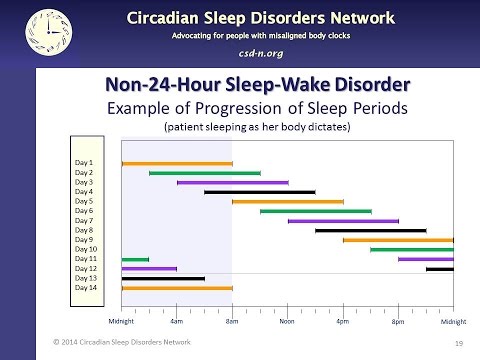
You know, sleep is one of those things we often take for granted. We just assume it’ll happen, you know? But for folks dealing with 24 Hour Sleep-Wake Disorder (or Non-24), it’s a whole different ballgame. Imagine having your internal clock all out of whack, like a playlist that shuffles at random. One day you’re awake when the sun’s shining, and the next night you’re wide awake while everyone else is asleep.
This can really mess with your mental health. I remember this friend of mine who had a tough time with it. They’d be up all night feeling like they could conquer the world, but by noon the next day? Total zombie mode. It was rough to watch because that inconsistency made them anxious and even depressed at times. No job or social life can thrive on that kind of schedule.
So what’s happening here? Basically, our bodies have these rhythms—circadian rhythms—that help regulate sleep and wakefulness based on light exposure. But for someone with Non-24, this rhythm doesn’t sync up with a 24-hour day. So they might feel alert when everyone else is snoozing and hit a wall when it’s time to be productive.
And let me tell you; managing this disorder is tougher than it seems! Therapy can play a big role here—there’s cognitive behavioral therapy (CBT) tailored specifically for sleep issues that can help reframe thoughts around sleep and establish better habits. Plus, light therapy might help reset their inner clock by exposing them to bright light at strategic times.
Medications can also be part of the equation, but they’re not always magic pills. Some folks find relief through melatonin supplements or other meds that help regulate sleep patterns.
I think what really strikes me about navigating this disorder is how vital support systems are. My friend eventually found a community online where others were facing similar struggles—it was like finding people in the same boat during a stormy sea! Hearing others’ experiences helped them feel less isolated throughout their journey.
At the end of the day, tackling 24 Hour Sleep-Wake Disorder isn’t just about fighting fatigue; it’s about reclaiming life and sanity in a way that works for each person individually. Sleep matters—and figuring out how to get enough of it makes all the difference!