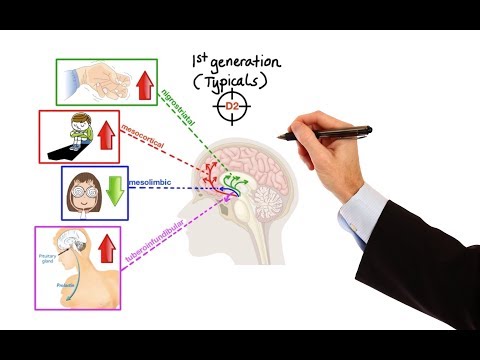
Hey! So, let me tell you about something that’s been a game changer in mental health—second generation antipsychotics. You might have heard of ’em, but what do they actually do?
These meds aren’t just for those intense moments. They can help with a range of things, from mood swings to anxiety. Crazy right?
I remember when my friend was prescribed one of these and he said it felt like a fog was lifting. He was able to finally connect with people again. That’s the thing; it can make a huge difference in how someone feels and functions.
But, like anything else, there are ups and downs to consider. Let’s explore together how these meds fit into the big mental health puzzle!
Understanding 2nd Generation Antipsychotics: How They Work and Their Impact on Mental Health
Sure thing! Let’s dive into what second-generation antipsychotics are all about, how they work, and their impact on mental health.
What Are Second-Generation Antipsychotics?
These meds, also known as atypical antipsychotics, are primarily used to treat conditions like schizophrenia and bipolar disorder. Unlike first-generation antipsychotics, which were pretty limited in their approach and had some rough side effects, these newer meds try to target a broader range of symptoms with a more balanced side effect profile.
How Do They Work?
So here’s the deal: second-generation antipsychotics mainly work by affecting neurotransmitters in the brain—especially dopamine and serotonin. You might know dopamine as the “feel good” chemical. These drugs help to level things out when your brain chemistry gets out of whack.
- Dopamine Blockage: They block certain receptors for dopamine. This helps reduce symptoms like hallucinations or delusions.
- Serotonin Receptors: They also have a role in blocking serotonin receptors, which can help with mood stabilization.
You could think of it like tuning a radio; you’re finding the right frequency so that everything sounds clear without too much static.
The Benefits
One major advantage is that they can be effective at treating both positive symptoms (like hallucinations) and negative ones (like lack of motivation). A friend of mine once told me about his struggle with depression and anxiety tied to bipolar disorder. After switching to an atypical antipsychotic, he felt more stable emotionally and was able to engage with life again.
The Risks
But it’s not all sunshine and rainbows—these meds come with potential side effects too. Some common ones include:
- Weight Gain: Many people experience significant weight gain while taking these medications.
- Metabolic Changes: This can increase the risk for diabetes or high cholesterol.
It’s kind of a trade-off: the stability they provide might come at the price of some unwanted physical changes.
You Need To Talk!
Communication is key when it comes to any kind of medication. If you or someone you know is taking these meds, having open conversations with your doctor about any concerns is super important. Everyone’s body responds differently; what works well for one person may not work for another.
In summary, second-generation antipsychotics are quite effective tools in managing serious mental health conditions by balancing neurotransmitters but come with their set of challenges too. Keep that in mind if you’re considering them or already taking them! Remember always listen to your body and your healthcare provider—you’ve got this!
Exploring the Impact of Second Generation Antipsychotics on Cognitive Functioning
Second generation antipsychotics (SGAs), also known as atypical antipsychotics, are a big deal in the world of mental health. They’re often prescribed for conditions like schizophrenia, bipolar disorder, and sometimes even severe depression. The interesting part? They come with a whole range of effects on cognitive functioning, both good and bad.
Cognitive Functioning and SGAs: Cognitive functioning includes things like memory, attention, and problem-solving skills. When you think about it, these are pretty crucial for daily life. So how do SGAs affect this? Well, the answer isn’t super clear-cut.
Some people might find that these meds improve their ability to think clearly. Imagine being so overwhelmed by your thoughts that you can’t focus at work or school. Once on SGAs, some folks report feeling more organized in their thinking. It’s kind of like cleaning up a messy room; suddenly everything feels more manageable.
However, not everyone has the same experience! For others, SGAs could lead to difficulties in thinking or processing information quickly. This is where things get tricky. For example:
- Memory Problems: Some people report having trouble remembering things or finding it hard to concentrate.
- Slower Processing Speed: Decisions might take longer to make because your brain feels like it’s stuck in first gear.
So why does this happen? Well, the way SGAs work is by altering various neurotransmitters in the brain — mainly dopamine and serotonin. These are chemical messengers you really don’t want to mess around with.
Let’s say you’re someone who takes an SGA to manage symptoms of schizophrenia but then finds they struggle with everyday tasks at work because they can’t quite keep up mentally. That’s frustrating! This highlights a common balance we need to strike: managing symptoms while trying not to lose cognitive sharpness.
It’s also important not to overlook individual differences here; everyone reacts differently to meds based on factors like genetics or even lifestyle choices. So while one person may thrive cognitively on an SGA, another may feel dulled down—a real mixed bag!
The Role of Monitoring: Regular check-ins with your healthcare provider are super important when taking these medications! They can help you track any cognitive side effects and adjust dosages if needed—like fine-tuning a guitar string until everything sounds just right.
In short, second generation antipsychotics play a significant role in treating various mental health conditions but come with their own set of pros and cons when it comes to cognitive function. You know how life is—it’s all about finding that balance and making sure you’re doing what’s best for your mind!
Understanding Weight Gain: The Impact of Second Generation Antipsychotics on Mental Health
So, let’s talk about weight gain and those second-generation antipsychotics. These meds are often prescribed for conditions like schizophrenia or bipolar disorder. They can really help with managing symptoms, but there’s this side effect that many folks bump into: weight gain. It’s a biggie, and it can impact mental health in various ways.
First off, what are second-generation antipsychotics? Well, basically, they’re a class of medications that work on the brain’s chemistry. They target things like dopamine and serotonin to help balance mood and thoughts. You might have heard of some of them—like olanzapine or risperidone—and they can create wonders when someone’s struggling.
But here’s the kicker: while they’re helpful for mental health, they can also cause you to pack on the pounds. It’s not just a little; sometimes it’s significant weight gain over time. It varies person by person, but it happens enough that we need to talk about it.
Now, why does this happen? These medications can change your metabolism or increase your appetite. Imagine before you started taking them; maybe you felt more balanced mentally. But then you find yourself reaching for snacks all the time or craving foods rich in sugar and fat. It’s frustrating—like your brain is messing with your body without your permission.
The emotional toll of this is real too. Weight gain can lead to self-esteem issues or body image struggles. You start feeling different about yourself—less confident or more anxious about how others perceive you. Seriously, I had a friend who went through this exact thing; she was doing better with her mental health but felt trapped in her body because of those extra pounds.
For many people on these medications, it creates a tug-of-war between wanting to feel mentally well and trying to keep their physical health intact. And that struggle can lead to feelings of guilt or frustration when you look in the mirror and don’t recognize yourself anymore.
So what happens next?
When people don’t feel comfortable in their own skin, they often prefer staying home rather than facing judgments from others.
Then there’s the risk of developing other health issues linked with weight gain like diabetes or heart problems. And that raises another layer of stress—wondering if these meds are worth it when other physical health risks start piling up alongside mental health concerns.
It’s essential to chat with your doctor if you experience any significant changes after starting an antipsychotic medication; they might be able to adjust dosages or suggest alternatives. Sometimes therapy helps too! Talking through these struggles while managing the effects of medication can be super beneficial for overall well-being.
In short, while second-generation antipsychotics play a vital role in helping manage serious mental illnesses, their potential for causing weight gain can complicate things emotionally and physically for many people out there juggling their mental health journey. It’s all connected—the mind affects the body and vice versa—and understanding this connection is key in navigating treatment options effectively without losing sight of who you are along the way.
So, let’s chat about second-generation antipsychotics, or SGAs, if we wanna sound all fancy. These meds are often a big deal in the mental health world. They’ve been around since the late ’90s, and they’re kinda like that friend who shows up at a party and makes everyone feel more comfortable, you know?
When someone struggles with conditions like schizophrenia or bipolar disorder, SGAs can play a huge role in helping to balance things out. I remember my buddy Sarah telling me about her experience with these medications. She had this constant battle with her thoughts — everything felt chaotic and overwhelming. But after starting on an SGA prescribed by her doctor, it was like someone adjusted the volume on her brain. Things weren’t perfect overnight, but she felt more present.
The cool thing about these drugs is they tend to have fewer of those hardcore side effects compared to first-generation antipsychotics. You know, the ones that could leave you feeling like you’re moving through molasses all day? With SGAs, folks usually don’t have to deal with as much of that stuff. That said, it doesn’t mean they’re risk-free—weight gain and metabolic issues can pop up for some people.
But there’s still a lot we don’t fully understand about how these meds work. It’s kind of mysterious. Some scientists think they help by targeting different receptors in the brain compared to the older meds. Others believe they might affect mood and emotion regulation in ways we haven’t pinpointed yet.
The thing is—everyone’s experience is unique. It’s all about finding what works best for you or your loved one if you’re navigating this world together. And that often means working closely with healthcare providers who really get it.
With SGAs being such a common part of treatment plans today, it’s super important to have those open conversations about how they’re affecting you! Just remember: you’re not alone in this journey; there’s support out there whether it’s friends, family, or professionals who genuinely care. It can be tough sometimes but hang in there!