You ever hear about the Three Word Cognitive Test?
It sounds like a quiz you’d take in school, right? But trust me, it’s way more chill.
This isn’t about memorizing facts or getting graded. It’s actually a neat little tool for checking in on your mental health.
Sometimes, we all need a little reality check, you know? Like when life gets a bit overwhelming.
So, let’s dive into this simple test that could give some insight into how your brain’s doing!
Three Essential Words to Remember for Your Medicare Wellness Exam
You know, when you go for a Medicare wellness exam, there’s this neat little three-word cognitive test that can help doctors check on your mental health. It’s simple and surprisingly effective! The three words you usually hear are **apple**, **table**, and **penny**. No big fancy terms here, just everyday items.
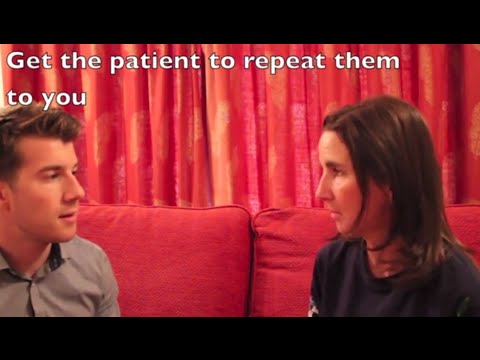
So, here’s how it works: at the start of your exam, your doctor will ask you to remember these three words. It seems easy, right? But it’s not just a memory test; it’s kind of like a sneak peek into how your brain is working overall.
When the doc comes back later on, they might ask you to recall those words—now that’s where the fun starts. If you can remember all three after a little while, that’s a good sign. But if you struggle with recall, it could indicate that something needs attention.
Why is this important? Well, early detection of issues like dementia or other cognitive impairments can seriously make a difference in treatment options and lifestyle changes. The earlier you catch something, the more manageable it often is!
Here’s what to keep in mind:
- Practice Makes Perfect: You might not think so, but practicing recalling random items can improve your memory over time.
- Stay Calm: Anxiety about remembering those words might actually make it harder to recall them.
- Your Health Matters: If memory issues come up during testing or other symptoms are showing up in your life—don’t hesitate to talk about them!
Think of this test as less of an exam and more like a friendly chat about how you’re doing mentally. The thing is that it doesn’t define who you are or what you’re capable of; it’s just one small piece of the puzzle when it comes to understanding your mental health.
So next time you’re at that wellness exam, keep these three words in mind. It’s all part of keeping track of how things are upstairs—and that’s super important for living your best life!
Understanding Memory Gaps: What Missing Three Words in a Memory Test Reveals About Your Mind
Memory gaps can be pretty baffling, can’t they? I mean, one minute you’re talking about your favorite pizza place, and the next, you’re struggling to remember the name of that one friend who always gets extra cheese. It’s totally normal to have a few hiccups in memory now and then. But when it comes to more serious evaluations, like the Three Word Cognitive Test, those little gaps can reveal a lot about what’s going on in your brain.
So basically, the Three Word Cognitive Test is a simple way for mental health professionals to check your cognitive function. They’ll ask you to remember three words—let’s say “apple,” “car,” and “dog.” After a brief distraction period, they’ll ask you to recall those words. Sounds easy enough, right? But what if you forget one or two? That might raise some eyebrows.
When you miss one of those words, it could indicate a few things:
- Attention Issues: Sometimes your mind is racing, and you’re not fully focused when the words are being given. Missing a word might just mean you were thinking about something else.
- Memory Encoding Problems: This is a fancy way of saying that perhaps your brain didn’t store the information properly. It’s like trying to upload a file on your computer but clicking ‘cancel’ halfway through.
- Recall Difficulty: Even if your brain got the data in there fine, retrieving it may be tricky due to stress or anxiety cloudsing up things.
Let’s say you’re sitting there doing this test—it’s quiet, maybe too quiet—and suddenly you forget «car.» You might feel embarrassed or anxious. But seriously, don’t beat yourself up over it! Everyone has off days; maybe you didn’t get enough sleep last night.
It’s also important to note that there are plenty of factors at play here. Stress levels can impact memory since high-stress situations flood your body with cortisol—your brain doesn’t handle information like it usually does when it’s under pressure. Think about it; you’ve probably had times when you’ve walked into a room and forgot why you’re even there!
In some cases, missing these words could hint at larger concerns like mild cognitive impairment or even dementia down the line. So while forgetting three little words might seem trivial in everyday life—it could trigger further evaluation from health professionals if consistently missed during tests.
But look—don’t jump straight into panic mode! Memory gaps are common and human. The important thing is recognizing when they happen often enough that they impact daily life. If you or someone close to you notices these memory slips becoming frequent or concerning, that’s definitely worth discussing with a mental health expert.
In summary, memory gaps tell us that our brains are complex machines influenced by many factors including attention and stress levels. So next time someone says “remember these three words?” you might just take a breath before diving in!
Unlocking Memory: How Many Words Should You Aim to Remember in a Memory Test?
Memory tests can feel a bit daunting, can’t they? When it comes to the Three Word Cognitive Test, the focus is on how many words you should aim to remember. This test is often used in mental health evaluations to assess cognitive function. Now, let’s break this down step by step.
First off, the Three Word test usually involves remembering three specific words for a short period. You might get words like «apple,» «table,» and «dog.» After a brief distraction, you’re asked to recall those words. It sounds simple, but it tests your short-term memory and attention.
Now, aiming to remember all three words might seem obvious, but it’s essential you don’t just focus on memorizing them super quickly. What happens is that recalling the words accurately is more important than just rattling them off without understanding or processing them.
So what’s a realistic goal for you? Well, ideally you want to remember all three words. But if you struggle with memory issues or anxiety about performing well in tests, it’s totally normal not to hit 100%. Each person has their unique cognitive style.
Here are some key points:
- Retention time matters: After hearing the words, you typically have about 1-2 minutes before recall.
- Practice helps: If you’re preparing for something like this, practicing recalling lists can really boost your confidence.
- Pay attention: Focus on understanding your environment when you’re hearing the words. Distractions make things trickier.
- Anxiety plays a role: Sometimes nerves can get in the way of memory; try some deep breathing beforehand!
Remember that memory isn’t just about storage; it’s also about retrieval—how you access those memories when needed. Working on techniques like visualization or associating each word with something personal can really help solidify them in your mind.
In summary, aim for all three but don’t stress if life gets in the way. Memory varies from person to person based on so many factors! Just keep practicing—and you’ll find what works best for you over time.
You know, the Three Word Cognitive Test is one of those simple yet powerful tools that can really give you a glimpse into someone’s cognitive health. When I first heard about it, I thought it sounded a bit silly. Like, how can three random words tell you anything meaningful? But then I looked a little deeper and realized it’s not just about the words themselves.
Basically, the test works like this: you get three unrelated words—let’s say «apple,» «book,» and «car.» Then you’re asked to remember those words for a short while. After a few minutes, you have to recall them. Seems easy, right? But what happens is that it reveals quite a bit about how your memory and cognitive functions are holding up, which can be super important when you’re looking at mental health.
I remember chatting with my friend Mia last year; she was feeling really overwhelmed and was worried about her mental state. They did this test as part of her evaluation. At first, she was kind of dismissive—like “Really? Three words?” But after going through it with her therapist, she realized it helped pinpoint some areas where she was struggling. It wasn’t just about memory; it pointed out how stress and anxiety were affecting her thinking processes.
So while it may seem trivial at first glance, these little tests can open up conversations about broader issues, like depression or cognitive decline. And that’s huge! It’s like a window into understanding how our minds work under pressure. You might not think much of remembering three words in a row, but it can be more telling than we give credit for.
In a world where we often overlook the small stuff or consider things too simplistic, this test reminds us to pay attention to our mental landscape in simple ways. Who knew three little words could pack such a punch?