Hey, you know how mental health can feel like a rollercoaster ride? Ups and downs, twists and turns… it’s not easy.
Well, if you or someone you care about is dealing with stuff like schizophrenia or bipolar disorder, there’s some pretty cool news on the horizon. Seriously, advancements in third-generation antipsychotics are shaking things up.
These meds aren’t just your standard pills. They’re designed to help with symptoms while aiming to minimize those pesky side effects that can turn life into a real drag.
So let’s break it down a bit. What are these new meds all about? How can they make a difference in day-to-day life? Grab a seat; it’s going to be an informative chat!
Understanding 3rd Generation Antipsychotics: A Comprehensive Guide to Modern Treatments
Third generation antipsychotics are like the new kids on the block in the world of mental health treatments. You’ve probably heard of older meds, like typical and atypical antipsychotics, but these have some cool features that set them apart. Basically, they’re designed to help treat conditions like schizophrenia and bipolar disorder while minimizing side effects.
So, what’s up with these modern treatments? Well, the main goal is to balance those pesky neurotransmitters in your brain. You know, those little chemical messengers? The ones that can throw a party when they’re out of whack? Third-generation antipsychotics focus on targeting specific receptors more selectively, which means they can reduce symptoms effectively without causing too much havoc in other areas.
One of the most well-known examples is aripiprazole. It works differently than older meds by acting as a partial agonist at dopamine receptors—basically, it gives just enough dopamine action without overdoing it. This helps manage symptoms without cranking up side effects like weight gain or drowsiness as much as some other medications do.
Another one to think about is brexanolone, which has been making waves for its ability to treat postpartum depression. It acts on GABA receptors, offering a different angle compared to traditional approaches. Many people are noticing significant improvements with fewer unwanted effects. That’s pretty amazing when you think about it!
The best part is that these meds come with more options for individuals needing treatment. Everyone’s unique; what works for one person might not work for another. That’s why having different tools at a psychiatrist’s disposal is super important—you know?
Yet, don’t forget that even these newer options have their own set of challenges and side effects. Some people might experience nausea or anxiety when starting them out. It’s important to have open conversations with your doctor about how you’re feeling because adjustments might be necessary.
Also, if you ever feel overwhelmed by all this info—don’t stress! You’re definitely not alone in muddling through the choices when it comes to mental health treatment. That’s why building a strong relationship with your healthcare provider can make a huge difference—being honest about how you’re doing helps them help you better.
In summary, third generation antipsychotics represent an exciting advance in medication aimed at treating serious mental health conditions effectively and with fewer side effects than previous generations. With choices like aripiprazole and brexanolone available now, patients have better chances at finding something that fits their needs without too much hassle along the way. So keep talking to your doctor, stay informed, and remember: there’s always hope for improvement!
Understanding the Side Effects of Third-Generation Antipsychotics: A Comprehensive Guide
Understanding third-generation antipsychotics—like aripiprazole, brexpiprazole, and cariprazine—can feel a bit like unraveling a mystery. These medications are often prescribed for conditions such as schizophrenia and bipolar disorder, helping manage symptoms while aiming to minimize side effects. So let’s break down what you need to know about their side effects.
First off, let’s talk about how they work. Unlike older antipsychotics that mainly block dopamine receptors, third-generation ones have a more complex way of functioning. They act on these receptors differently, which can lead to fewer side effects overall. But that doesn’t mean they’re side-effect-free.
Some common side effects include:
- Weight Gain: While not as severe as with some older drugs, weight gain can still occur.
- Sleep Issues: Some people report difficulty sleeping or feeling unusually sleepy during the day.
- Anxiety or Agitation: It sounds counterintuitive since they help with anxiety, but some folks can feel more anxious on these meds.
- Nausea: Yep, feeling queasy is another possibility.
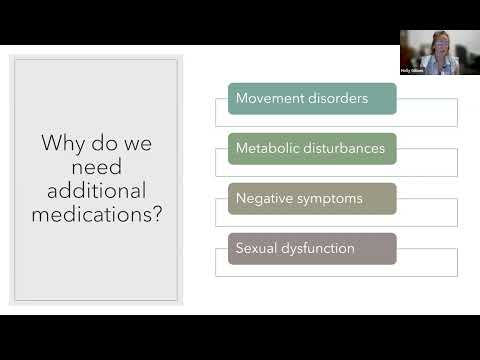
Now, it’s also worth mentioning the more serious but rarer side effects. You’ve got the risk of developing metabolic syndrome, which may involve increased blood sugar and cholesterol levels. High cholesterol was something my friend struggled with after starting aripiprazole—totally caught him off guard!
Another concern is tardive dyskinesia (TD). This involves involuntary movements, particularly of the face and tongue. Although TD is less common with third-generation antipsychotics compared to first and second generations, it can still happen. It’s essential to keep in touch with your healthcare provider if you notice anything unusual.
How about interactions? Always be cautious with other medications or supplements. Mixing certain drugs can amplify side effects or reduce effectiveness. For instance, combining an antipsychotic with some antidepressants may lead to an increase in sedation or even serotonin syndrome in extreme cases.
And don’t forget about individual differences! What works beautifully for one person might not sit well with another at all. It’s essential to remember that your experiences could differ based on your unique biology.
Before starting any new medication—or if you’re already taking one—it’s crucial to have an open line of communication with your doctor about any concerns you might have regarding the potential side effects.
In short, third-generation antipsychotics come with a range of benefits along with some side effects that are usually milder than those associated with older treatments. But hey, understanding these meds is all about having the right information so you can make informed decisions together with your healthcare provider!
Understanding Antipsychotics: A Comprehensive Guide to 1st, 2nd, and 3rd Generation Medications
Antipsychotics are pretty important in the world of mental health, especially for conditions like schizophrenia or bipolar disorder. They help manage symptoms like delusions and hallucinations. But, hey, not all antipsychotics are created equal. There are three main generations you should know about: the first, second, and third generation.
First-generation antipsychotics, also known as typical antipsychotics, hit the scene first. They primarily target dopamine—one of those neurotransmitters that help send messages in the brain. Examples include medications like haloperidol and chlorpromazine. These were groundbreaking at the time but come with some baggage, namely side effects like stiffness or shaking (yup, that’s a thing called extrapyramidal symptoms).
Then there are second-generation antipsychotics, which are sometimes called atypical antipsychotics. These emerged around the 1990s and not only target dopamine but also affect serotonin receptors. Meds like risperidone and quetiapine fall into this category. The cool part? They’ve got a lower risk of those pesky motor side effects we talked about before! Still, they can cause weight gain and metabolic issues—something to keep an eye on.
Now let’s chat about third-generation antipsychotics; they’re the new kids on the block! These medications attempt to balance treating symptoms with reducing side effects. An example is aripiprazole—often referred to as a “dopamine system stabilizer.” Essentially, it can act as either an agonist or antagonist depending on dopamine levels in your brain at any given moment. This is pretty slick if you think about it since it means more personalized treatment depending on what’s going on in your noggin.
But even with these advancements, it’s super important to remember that everyone reacts differently to medications. What works wonders for one person might not do much for another—or could even lead to unexpected responses. It can feel overwhelming navigating all this stuff when you or someone you know is considering medication as part of their mental health journey.
So here’s a quick breakdown:
- First-Generation Antipsychotics: Target dopamine; examples include haloperidol.
- Second-Generation Antipsychotics: Affect both dopamine and serotonin; think risperidone.
- Third-Generation Antipsychotics: Aim for balance in effectiveness and side effects; aripiprazole is a key example.
Understanding these meds can be really empowering! If you’re ever feeling confused about what someone might be prescribed or how these drugs work together with therapy and other treatments—it’s totally okay! Reaching out to a healthcare professional who knows their stuff can make all the difference. Remember, knowledge is power when it comes to mental health management!
Okay, so let’s talk about third-generation antipsychotics. They sound super fancy, right? But basically, these are newer medications that have come out to help manage mental health conditions, especially things like schizophrenia and bipolar disorder.
I remember a friend of mine who was struggling with severe anxiety and mood swings. It was tough to watch them go through these ups and downs. There were moments when they felt high on life, but then the next day could be a total crash. They went through a few different meds before landing on one of these newer antipsychotics. It was kind of amazing to see how much of a difference it made for them, not just in managing symptoms, but in being able to live a more normal life.
So what’s the big deal with third-generation ones? Well, they tend to have fewer side effects than their older counterparts. Seriously! Older antipsychotics could lead to weight gain or shake-y hands—nobody wants that, right? The new ones are more targeted in how they work on the brain’s neurotransmitters—these little messengers that help regulate mood and thought processes.
But here’s where it gets interesting: although they’re considered ‘newer’, it doesn’t mean they’re perfect. Like any med, you still gotta find the right one for you—there’s no magic pill that works for everyone. And some people still experience side effects or may not respond as well as others do.
It’s wild how much research is being put into this area now. I mean, mental health has historically been kinda neglected compared to physical health issues. So seeing advancements like these feels like a step forward in helping people really thrive rather than just survive.
Anyway, if you or someone you know is considering treatment options, don’t hesitate to chat with a healthcare professional about what’s available now—the landscape is changing fast! And who knows? You might find something that works much better than what you’ve tried before!