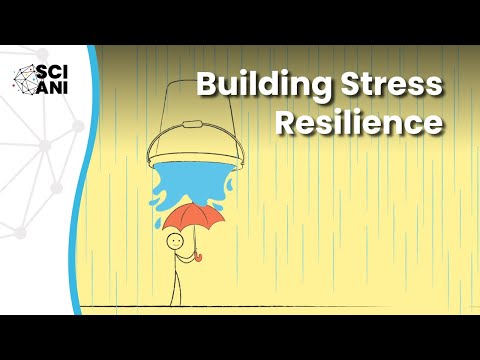
You know how life can throw curveballs at us? One minute, you’re on top of the world, and the next, it feels like everything’s crashing down.
That’s where resilience comes in. It’s like that inner superhero that helps you bounce back when things get tough.
Ever heard of 3srb strategies? They’re some pretty cool tools for building up that resilience muscle.
Think of them as your mental health cheat code. You don’t have to be perfect at it; just willing to give it a shot.
So, let’s chat about how these strategies can help you weather the storms and come out even stronger on the other side!
3 Effective Strategies to Build Resilience and Improve Mental Well-Being
Building resilience is like working out your mental muscles. You know, when life throws those curveballs, you want to be ready to hit them outta the park instead of just dodging them. So, what can help you strengthen that resilience and boost your mental well-being? Here are three solid strategies that really pack a punch.
1. Develop a Support Network
Having a reliable support network is crucial for building resilience. Surround yourself with people who genuinely care about you. Whether it’s family, friends, or even support groups, connections help buffer against tough times.
Think about it: when life gets rough, having even just one person who listens without judgment can make all the difference. I remember going through a tough breakup once; my best friend dropped everything to be there for me. Just talking things out over coffee helped lighten my emotional load big time.
2. Practice Mindfulness
Mindfulness is all about being present and fully engaged with whatever you’re doing at the moment. It sounds simple, but trust me, it’s super effective for building resilience and improving emotional health.
Try setting aside a few minutes each day for mindfulness exercises—like meditation or deep breathing techniques. Focus on your breath or observe your thoughts without judgment. This practice helps you develop an awareness of your reactions to stressors and teaches you how to approach challenges without feeling overwhelmed.
I once tried a 10-minute meditation app during a stressful week at work. At first, I thought it was silly—like, seriously? But let me tell you; taking those moments to check in with myself was like hitting the reset button on my day!
3. Embrace Change
Being adaptable is key for resilience! Life is full of surprises and unexpected twists that can either bring you down or push you forward, depending on how you respond.
When faced with change—whether it’s moving cities or switching jobs—try to shift your mindset toward viewing these challenges as opportunities rather than threats. Embracing change means being open to new experiences and learning from them.
Last year I took a leap into a new job that terrified me at first! I was worried I’d fail but ended up discovering skills I never knew I had! Every challenge forced me to adapt and grow in ways I’d never expected.
Building resilience isn’t something that happens overnight; it’s more like exercising your brain over time by using these strategies consistently. Remember: it’s okay to struggle but finding ways to bounce back will definitely have positive effects on your mental well-being!
Unlocking Resilience: Discover the 3 P’s in the 3 Mantras for Mental Strength
Building resilience is super important, especially when life throws curveballs your way. It’s like having a mental shield that helps you bounce back from tough times. So, let’s dive into the 3 P’s in those 3 mantras. They can really help build your mental strength and keep you steady when things get rough.
1. Personalization is all about how you view the causes of challenges. When something bad happens, do you blame yourself or see it as just a part of life? If you’re saying, “I messed up,” remember that everyone makes mistakes. For example, if you didn’t get that promotion at work, saying, “I’m not good enough for this job” isn’t going to help your spirit. Try switching it to “Maybe I can improve my skills” instead. This small change can totally shift your mindset!
2. Permanence refers to how long you think the effects of a setback will last. If you see a setback as permanent—like assuming you’ll never find love again after a breakup—it can crush your spirits more than it needs to. You might feel like you’re stuck in a loop forever! But seriously, consider this: just because something went wrong now doesn’t mean it’s always going to be that way! A friend of mine went through a nasty divorce and felt hopeless at first. But with time and support, she found joy again and even rediscovered herself in ways she never imagined.
3. Pervasiveness deals with whether you allow negative experiences to seep into every part of your life or view them as isolated incidents. When something goes wrong—like failing an exam—do you think “I’m terrible at everything?” or do you focus on just that one situation? It’s easy to generalize our failures, but they don’t define us! Remembering that one bump in the road doesn’t mean the whole trip is ruined can help keep things in perspective.
In summary:
- Personalization: Don’t take everything personally; separate mistakes from self-worth.
- Permanence: Recognize that setbacks are temporary; change is always possible.
- Pervasiveness: Keep failures contained; they don’t define every aspect of your life.
These mantras remind us that we have the power within us to face life’s ups and downs with strength and adaptability. Building resilience isn’t instant—it takes time and practice—but embracing these ideas can really lighten the load when times are hard!
Unlocking the 3 P’s Model: A Comprehensive Guide to Understanding Mental Health
Understanding mental health can feel like navigating a maze sometimes. One approach that pops up often is the **3 P’s Model**. This model emphasizes three essential elements: **Personalization, Pervasiveness**, and **Permanentness**. Let’s break these down so you can get a better grasp of what they mean for your mental well-being.
Personalization is about how you interpret events in your life. So, when something goes wrong—like not getting that job you wanted—the personalization aspect looks at whether you blame yourself or the situation. It’s easy to think, “It’s all my fault,” but that can lead to feeling pretty low. Instead, it might help to reflect on other factors influencing the outcome, like the competition or timing.
Then there’s Pervasiveness. This is about whether you see setbacks as affecting every part of your life or just one area. Let’s say you mess up a presentation at work. You might think, “I’m terrible at everything now!” But this blanket thinking doesn’t paint an accurate picture. Recognizing that this one event doesn’t mean you’re bad at your job or unlikable can help keep things in perspective.
Finally, we have Permanence. This deals with how long you think the effects of an event will last in your life. If someone thinks they’ll never be happy again after a breakup, that’s a permanent mindset. But recognizing that feelings and situations change over time allows for hope and movement towards healing and resilience.
Now, imagine someone close to you going through a tough time—a friend who just lost their job. They might take things personally (the **personalization** bit) and believe their whole career is doomed (the **pervasiveness**). If they think they’ll never find another job (the **permanence**), it can be tough for them to bounce back!
But here’s where those 3 P strategies come into play for building resilience: challenge those thoughts! Help them recognize that losing one job doesn’t define their entire career—it’s just part of the journey! Encourage them to look for new opportunities and remind them that feelings are temporary.
In summary, getting familiar with the 3 P’s model helps in recognizing negative thinking patterns in ourselves and others. When we understand these concepts better, it makes tackling challenges less overwhelming and opens pathways toward healing effectively!
So next time you’re feeling trapped by overwhelming thoughts or emotions, checking in on those three ‘P’ perspectives could totally shift how you’re seeing things!
Resilience is that inner strength we tap into, especially when life throws us a curveball. You know, like when you’re feeling overwhelmed by everything—work stress, family drama, and just the chaotic pace of life? Yeah, I’ve been there too. It’s tough. But what if I told you that building resilience isn’t just some fluffy concept? It’s something you can actively work on.
So, let’s talk about these 3srb strategies. They kinda focus on three areas: Self-awareness, Self-regulation, and Building relationships. You follow me?
First off, self-awareness is all about tuning into your thoughts and feelings. Just the other day, my friend was feeling anxious about a big presentation at work. By taking a moment to really recognize her feelings instead of shoving them aside—she realized she was both nervous and excited! That little insight helped her channel that energy into something positive.
Now onto self-regulation—it’s like having an emotional toolkit at your fingertips. When things get heated—maybe you’re arguing with someone or feeling low—having strategies to calm down is crucial. Maybe it’s deep breathing or stepping outside for a quick walk to clear your head. It’s like a pause button for those intense moments.
Finally, building relationships is huge! Humans are social beings; we thrive on connection. Think of it this way: when you have people who support you in tough times—friends or family to talk to—you’re more likely to bounce back from setbacks faster. Remember that time you got through a rough patch because someone listened? Yeah, that connection makes all the difference.
So basically, resilience isn’t some magical trait that only some lucky people have; it’s something we can cultivate with intention and practice over time. And believe me, those 3srb strategies can be game-changers in creating a solid foundation for mental health. Life’s ups and downs may not get any easier—but learning to roll with the punches makes the journey so much more manageable!