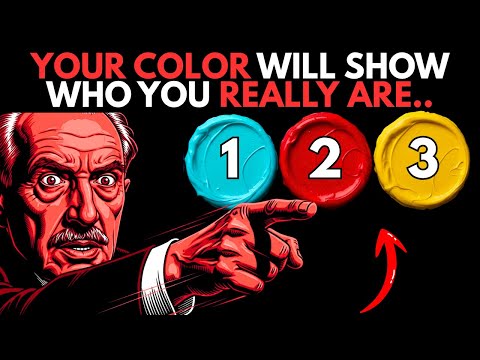
Hey, so, have you ever thought about how colors can say a whole lot about who you are? It’s kind of wild, right? Like, you might think it’s just a shade of blue or red. But colors can actually tap into your feelings and personality.
This whole color personality test thing is pretty cool. You pick your favorite colors and boom! You get some insights into what makes you tick. Seriously, it’s like peeking into your inner self without needing a crystal ball.
So, grab a cup of coffee or whatever you like. Let’s chat about how those colors reflect the real you. I promise it’ll be fun and maybe eye-opening too!
Unlocking Self-Discovery: Exploring the 4 Colors of Insight in Mental Health
When you think about self-discovery, it’s really fascinating how colors can actually reflect parts of your personality and your mental health. The Color Personality Test gives some insights into who you are by using four colors. Each color connects to different traits and behaviors, which can be super helpful for understanding yourself better. So let’s break this down.
- Red: This color often stands for passion and energy. If red is your primary color, you might be someone who is ambitious and loves to take charge. You probably thrive on challenges and enjoy being in the spotlight. Remember that time when you hustled through a tough project? That’s the red in you pushing forward!
- Blue: Now, blue represents calmness and stability. Those with blue as a key color tend to be thoughtful, reliable, and caring. They often prioritize harmony in their relationships. Think about how comforting it feels when a friend listens without judgment; that’s the soothing nature of blue coming through.
- Yellow: Yellow is all about optimism and creativity. If this is your color, you’re likely someone who sees the brighter side of life and inspires others with your enthusiasm. You probably come up with fun ideas during group hangouts, making everyone feel good—like planning that spontaneous weekend trip everyone talks about.
- Green: Last but not least, green symbolizes balance and growth. People who resonate with this color seek peace in their lives and value deep connections with others. They’re often reflective individuals who might spend time thinking things through before making decisions—definitely noticeable when someone takes their time considering how to handle a conflict.
Each of these colors gives us clues into our thoughts, feelings, and behaviors, which helps paint a fuller picture of our inner selves. Like, if you’re usually stressed out or feeling low, maybe checking which color aligns most could make you realize why that happens.
Now here’s where it gets interesting: understanding these colors can guide us in therapy or self-help practices by aligning our experiences with our dominant traits! For instance, if red comes out strong for you but keeps leading to stress because you’re always pushing too hard? Well then maybe some strategies around calming exercises found in blue can help bring balance back into your life.
Also remember that these aren’t fixed labels—you’re complex! Everyone has bits of all four colors within them; they just show up differently depending on the situation or emotional state.
So whether you’re looking to figure out more about yourself or just trying to navigate through tough times mentally, exploring these four colors can really open some doors for self-discovery; it’s like being given a fresh set of glasses to see things clearly!
Critiques of the Insights Test: Unpacking the Controversies in Mental Health Assessments
The Insights Test, often associated with color personality assessments, is one of those things that gets a lot of chatter. It’s supposed to give you a peek into your inner self based on your color preferences. Sounds cool, right? But there’s a whole lot of debate swirling around it. Let’s break down the critiques.
First off, **validity is a biggie** here. Critics argue that the test doesn’t accurately measure what it claims to assess. For instance, if you favor blue over red, does that really mean you’re calm and collected? Some folks think it’s a stretch. There’s concern that results can vary dramatically from one person to another, even when they’re experiencing similar feelings or situations.
Then there’s the issue of **reliability**. Like, can you trust that if you take this test today and then again next month, you’ll get similar results? Many psychologists say no way! This inconsistency can really mess with how seriously anyone takes the results. Imagine thinking you’re an introvert but then taking the test again and finding out you’re an extrovert – talk about confusion!
Another point is **oversimplification**. Life isn’t black and white (or in this case, red and green), right? People are complex! Reducing personality traits down to just four colors can overlook crucial aspects of who you are or what’s going on in your life. It feels like trying to fit a round peg into a square hole; it simply doesn’t do justice to the complexity of human behavior.
Plus, there’s the question of how these tests are used in real-life settings. Some companies use them for hiring decisions or team-building exercises—yikes! Relying on such tests could lead to poor choices in team dynamics or even contribute to workplace stress if someone feels pigeonholed by their results.
Cultural biases also come into play here. Different cultures interpret colors differently; what symbolizes trust in one culture might mean something entirely different in another. This means some people might not connect with the interpretations at all!
And let’s not forget about **scientific backing**—or lack thereof! Many psychologists argue that there isn’t enough solid research supporting these types of tests as reliable diagnostic tools for mental health assessments.
So what happens when someone takes this test expecting deep insights but instead gets, well, colorful fluff? They might walk away feeling misunderstood or more confused about themselves than before.
In summary: while color personality tests like the Insights Test can be fun and engaging for casual exploration—like picking out your favorite crayon—they should be taken with a grain of salt when it comes to serious mental health evaluations or life decisions. After all, understanding yourself is way more than choosing between hues!
Uncover Your Hidden Traits: How Colors Influence Your Personality
Colors are everywhere, right? Seriously, think about it. You wake up and see the blue sky or maybe the gray clouds. Each color can spark different feelings and even influence how you act or interact with others. That’s where the whole idea of colors influencing personality kicks in. Let’s break it down.
Red is often linked with passion and energy. It can ignite excitement but also evoke anger. If you’re drawn to red, you might be someone who embraces challenges or seeks attention in social situations. Remember that time your friend painted their room red? It was all about making a bold statement.
Then we’ve got blue. This one gives off a calming vibe, right? Blue is often associated with serenity and trustworthiness. If blue catches your eye, you might be the type to value loyalty and find comfort in stability—like that trusted friend who’s always there when you need a vent session.
Now, onto yellow. This happy, bright color symbolizes optimism and creativity. Loving yellow might mean you’re a naturally cheerful person who enjoys bringing positivity into others’ lives. Ever notice how some art studios are filled with yellow? It sparks creativity!
Moving on to green, which embodies balance and growth. This color connects us to nature, so if green speaks to you, it could mean you value harmony and nurturing relationships—kind of like someone who has a knack for gardening or fostering friendships.
Let’s not forget about black. Often seen as sophisticated or mysterious, black can also indicate strength or control. However, if it’s your favorite shade, maybe you appreciate depth or intensity in life—a bit like that friend who’s always ready for deep conversations at midnight.
Now here’s where it gets interesting: Many of us have multiple colors that resonate with us at different times in our lives depending on what we’re going through emotionally or mentally. So your love for one shade today may shift tomorrow based on your experiences.
Ultimately, these connections between color and personality can give us deeper insights into ourselves—kind of like holding up a mirror to our inner thoughts and feelings. It’s worth exploring! Take a moment to reflect on which colors bring out the best (or worst) in you, as they may hold clues to understanding your personality traits better.
So next time you’re choosing an outfit or decorating your space, think about what those colors say about who you are! Isn’t it wild how something as simple as color can peel back layers of our personality?
You know, color has this weird way of tapping into our emotions and personalities. Just think about it: when you see a bright yellow, doesn’t it lift your mood a bit? Or when you spot deep blue, it kinda makes you feel calm? That’s where the whole color personality test comes in. It’s like a fun little tool to help us understand ourselves better through the colors we’re drawn to.
I remember this one time I took a color test just for kicks. I’ve always loved green—like, really loved it. When my results came back saying that I’m all about balance, stability, and growth, I was like, “Wow, that kinda hits.” It felt like someone had taken a peek inside my mind and put it on a page. I mean, who doesn’t want to feel understood?
The thing is, these tests aren’t some magical answer to who we are. They’re more like a mirror showing us some aspects of ourselves that we might not see right away. Some people might look at them skeptically because they seem so simple, but honestly? They can spark some pretty cool conversations or help us reflect on what we value in life.
And then there’s the way colors connect with our moods and memories. Like red can remind us of passion or excitement; sometimes it’s anger too! It gets messy because our experiences shape how we interpret these colors. So while the test gives you some insights based on general traits associated with colors—open-mindedness with yellow or mystery with purple—it’s really up to you how much weight you give those results.
So yeah, giving a color personality test a shot could be fun! You might even find out something new about yourself—or just enjoy picking your favorite shades. At the end of the day though, whether you take it seriously or not, it’s all part of this wild journey we’re on trying to understand who we are deep down inside. And that’s pretty awesome in itself!