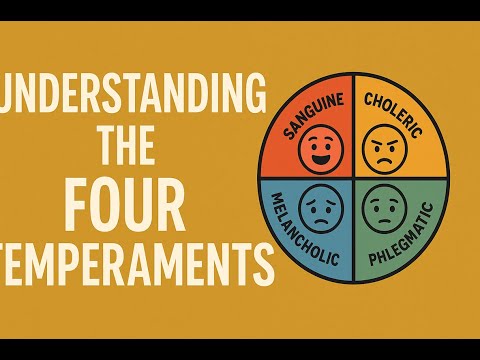
You know how sometimes you just click with someone? Or, on the flip side, you can’t figure out why another person drives you crazy? It’s all about personality, right?
Well, there’s this old-school idea about temperaments that kinda splits us into four main types. Seriously, it’s been around forever but still feels super relevant today.
Imagine figuring out your own vibes and those of your friends or coworkers. It could totally change the way you see relationships.
So let’s chat about these four temperaments. You might just find out a thing or two about yourself—or even laugh at how spot-on it is!
Discovering the 4 Personality Types: Sanguine, Choleric, Melancholic, and Phlegmatic Explained
Alright, let’s break this down. The four personality types—sanguine, choleric, melancholic, and phlegmatic—are classic ways to understand how people tick. You know, they’ve been around since way back in ancient Greece. So, if you’re curious about these types and what they mean for you or someone you know, keep reading.
Sanguine types are like the life of the party. They’re outgoing and really social. You’ll often find them chatting away or making everyone laugh. If you’re the type who thrives on social interactions and enjoys being the center of attention, then you might lean into this personality.
- They usually have a lot of energy.
- Sanguines are optimistic and spontaneous.
- However, they can be a bit forgetful or disorganized.
Imagine your friend who always seems to make plans last minute but brings all the fun with them. That’s kind of a sanguine vibe!
Then there’s the Choleric. This type is more about getting things done. Cholerics are leaders by nature; they’re assertive and can be pretty intense at times.
- They’re driven and goal-oriented.
- Cholerics don’t shy away from conflict—they tackle it head-on.
- On the flip side, they might come off as bossy or impatient.
Think about that colleague who’s always leading meetings with clear plans but may sometimes dismiss others’ ideas because they’re so focused on their goals.
Next up is the Melancholic. This personality type is deep feelers. They tend to be sensitive and thoughtful people who reflect a lot on their emotions.
- Melancholics are great at analyzing situations.
- They often prefer solitude or quiet environments.
- The downside? They can get caught up in their feelings or become overly critical of themselves.
Picture that friend who always brings depth to conversations but might struggle when it feels like life’s weighing heavy on their shoulders.
Finally, we have the Phlegmatic. These folks are often described as calm and easygoing. They typically avoid drama and prefer peace over conflict.
- Phlegmatics are usually supportive friends; they listen well.
- They can be very patient and adaptable.
- A potential pitfall? Sometimes they can be indecisive or lethargic about making moves in life.
You know that person who’s always down for anything but also takes forever to decide where to eat? Yep, that’s a phlegmatic for you!
So why does all this matter? Recognizing these personality types can really help improve your relationships—whether with friends, family, or coworkers. It gives you insights into how different people operate emotionally and socially. And if you’re stuck trying to figure yourself out? Maybe learning about these types can give you some clarity too!
In summary: each personality type brings something unique to the table. Embracing these differences can lead to better communication and understanding in our daily lives!
Discover Your Personality: A Comprehensive Guide to the Four Temperaments Test
The Four Temperaments Test is all about understanding yourself better by diving into classic personality types. Basically, this idea traces back to ancient times, and it’s still popular because it offers some cool insights into how we tick. The four temperaments are: **sanguine**, **choleric**, **melancholic**, and **phlegmatic**. Each one has its own vibe and ways of handling life.
Sanguine: This type is your social butterfly. Sanguines are usually outgoing, fun-loving, and can light up a room just by walking in. Think of that friend who can make any party a blast or who knows how to cheer you up with just a joke. They tend to be spontaneous and thrive on excitement.
Choleric: Now, cholerics are the go-getters. They’re ambitious, assertive, and often take charge in situations. If you know someone who’s always setting goals and pushing others to do the same, they might be choleric. They can be passionate leaders but sometimes come off as a bit bossy or impatient.
Melancholic: On the flip side, melancholics are more introspective. These folks might be deep thinkers who feel things deeply—all the feels! They often appreciate art or nature and can get lost in their thoughts for days. Their sensitivity makes them great listeners but they may struggle with feelings of sadness at times.
Phlegmatic: Lastly, there’s phlegmatic people—your calm peacemakers. They’re easygoing, patient, and like to keep things smooth in social situations. These individuals bring balance to chaos but might also have trouble making decisions since they avoid conflict at all costs.
So how do you figure out which temperament you relate to most? Well, there are quizzes available online that ask about your preferences and behaviors. Seriously though, it’s not just about picking answers for fun; it helps put your personality in perspective.
One neat thing about these temperaments is that they aren’t set in stone! You can have traits from multiple types; after all, this isn’t black-and-white stuff we’re talking about here. For example, maybe you’re mostly sanguine but have a touch of melancholic too when life gets heavy.
Understanding these temperaments can help improve relationships too! When you know your own style—and that of others—it’s easier to appreciate differences instead of getting frustrated by them—like when your choleric friend wants things done “now” while you’re trying to chill out like the phlegmatic you are.
The Four Temperaments Test adds another layer to exploring human behavior—letting us dig deeper into our motivations and reactions without labeling anyone as simply «good» or «bad.» Instead of trying to fit yourself into these boxes completely, consider them more like guides for self-discovery.
So yeah! Whether you resonate with one temperament or blend a few together doesn’t really matter as much as recognizing your unique personality footprint—and using that knowledge to navigate life better!
Explore the Four Temperaments: Download Your Free PDF Guide
The Four Temperaments is a classic framework in personality psychology that sorts people into four distinct categories based on their emotional responses and how they interact with the world. It’s kinda fascinating, really! So, let’s break it down.
Sanguine folks are the life of the party. They’re social, enthusiastic, and really love meeting new people. Think about a friend who can light up a room just by walking in. They’re often seen as talkative and spontaneous but might struggle with organization or sticking to plans.
Then you’ve got the Choleric type. These are your natural leaders! They’re ambitious and goal-oriented, always ready to take charge. Picture someone who can rally a team together for a project and get things done efficiently—seriously inspiring! However, they can sometimes come off as too aggressive or domineering.
Next up is the Melancholic temperament. These people are deep thinkers and often very reflective. If you know someone who tends to overanalyze or feels deeply about things, they might fall into this category. They appreciate beauty in art and nature but can get lost in their own thoughts, leading to sadness or anxiety at times.
Lastly, we have the Phlegmatic. This temperament is known for being calm and easy-going. They’re like that friend who keeps everyone grounded during chaos—it’s comforting! But while they hate conflict, their aversion might lead them to avoid asserting themselves when necessary.
Understanding these temperaments can help you see why people act the way they do. For example, if a Sanguine is overly talkative at a meeting while Choleric types want action right away, it might just be their inherent traits clashing rather than personal conflicts.
In real life, knowing these types helps in relationships too. You might find yourself relating better with certain temperaments than others based on your own style.
So there you have it! The Four Temperaments isn’t just some dusty old theory; it offers useful insight into our personalities and interactions each day. Whether you’re looking to understand yourself better or navigate relationships more smoothly, it’s worth considering how these types show up in your life!
So, let’s chat about the Four Temperaments. You know, those old-school personality types that people have been kicking around for ages? They’re kind of like the OG of personality psychology—like way back when Aristotle was doing his thing. The idea is that our personalities can be broken down into four main categories: sanguine, choleric, melancholic, and phlegmatic. Each one has its own vibe and quirks.
When I first stumbled upon this concept, it totally clicked for me. Seriously! I remember a buddy of mine who was always so upbeat and fun-loving—definitely a sanguine type. He could light up a room just by walking in! Meanwhile, my other friend was more serious and thoughtful; she had that melancholic energy where she often felt things deeply. It was like watching two different worlds collide in our little friend group.
So here’s the scoop on each temperament:
Sanguine folks are usually the life of the party—super social and full of energy. Cholerics are goal-getters, like natural leaders who aren’t afraid to take charge. Then you’ve got melancholics who are reflective and sensitive; they can be deep thinkers but might get bogged down in their feelings sometimes. Finally, phlegmatics are laid-back peacemakers; they prefer harmony and can go with the flow.
But here’s the thing: we all have bits of each temperament in us, right? Think about it—you might be super outgoing at times but also have those melancholic moments where you need to retreat into your thoughts. It’s all about finding that balance.
Understanding these temperaments really helped me process some dynamics in my life. Like that time one of my friends had a meltdown because he felt overwhelmed during a group project—he was definitely channeling his choleric side a bit too much! Just knowing these different temperaments exists makes it easier to empathize with others’ behaviors.
I mean, once you grasp how varied we all are emotionally and personality-wise, you start looking at people differently—not just through your lens but seeing them as complex beings with their own struggles and strengths. It’s kind of beautiful when you think about it!