You know how some people just seem to click in relationships, while others struggle endlessly? It’s fascinating, isn’t it?
That’s where attachment styles come in. They kinda shape how we connect with others, like a hidden blueprint for our love lives.
Imagine walking into a room full of friends, and you notice some are super touchy-feely. Others keep their distance, even if they really care. Makes you think, right?
These patterns stem from our early experiences. They stick with us and can seriously impact how we navigate love and friendship throughout life.
So let’s break it down! You’ll see how understanding these styles can totally change your perspective on relationships—your own and those around you!
Understanding Your Attachment Style: Take the Attachment Styles Test Today!
Understanding your attachment style can really help you figure out how you connect with others. It’s like having a map for your relationships—you know where you’re going and how to navigate those twists and turns. The cool thing is that there are typically four main attachment styles: secure, anxious, avoidant, and disorganized. Each one shapes your interactions in unique ways.
1. Secure Attachment
If you’ve got a secure attachment style, you’re usually pretty comfortable with closeness and interdependence. You feel good about relying on others, and they can rely on you too. For example, maybe you’ve been in a long-term relationship where communication flows naturally, and both partners easily express their needs. This makes for a balanced connection—like being in sync with each other’s vibes.
2. Anxious Attachment
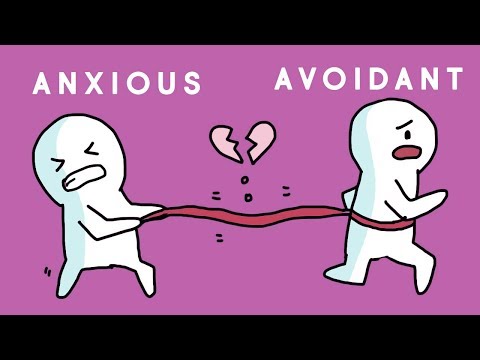
Now, if anxiety creeps into your relationships, you might lean towards an anxious attachment style. People with this style often worry about their partner’s commitment or if they’re really loved. It can show up as clinginess or constantly seeking reassurance—does that sound familiar? Imagine texting your partner multiple times just to check if they’re still into you—even when they’ve only been out for a short while!
3. Avoidant Attachment
On the flip side, there’s the avoidant attachment style. Think of it as needing space but overdoing it to protect yourself from emotional closeness. If this is your vibe, you might find yourself pushing people away when things get too intimate or feeling overwhelmed by too much affection. Like maybe when someone tries to hold hands or cuddle at a movie—and all you want is some breathing room.
4. Disorganized Attachment
Finally, there’s disorganized attachment—a bit of a mix between anxiety and avoidance that’s often tied to past trauma or inconsistent parenting styles during childhood. This tends to create confusion in relationships because it combines the longing for closeness with fear of getting hurt. So one minute you’re all in, and the next minute you’re pulling away suddenly—it can be really chaotic!
Taking the attachment styles test can give you some fascinating insights about yourself! It helps shine light on your patterns and how they play out in friendships or romantic connections—so why not give it a go? We all have our quirks when it comes to love and friendship; understanding them can be such a game changer.
So remember: understanding your attachment style might just be what helps improve your relationships down the road! You’re not alone; we’ve all got our own unique way of connecting with others!
Understanding Attachment Styles: How They Impact Your Relationships and Mental Health
Understanding attachment styles is super important when it comes to how you connect with people. They’re basically the emotional blueprints you get from childhood, and they shape your relationships and mental health way more than you might think. Let’s break down the four primary attachment styles—secure, anxious, avoidant, and disorganized—and see how each of them plays out in your life.
Secure Attachment Style
If you’ve got a secure attachment style, good for you! You probably feel comfortable with intimacy and are able to balance closeness with independence. People with this style tend to have stable relationships. They can express their feelings openly. For example, if something’s bothering you in a relationship, you’re likely able to bring it up without fear of how the other person will react.
Anxious Attachment Style
Now, let’s talk about anxious attachment. If this is your style, you might crave closeness but also have a fear of abandonment. It’s like being on a rollercoaster of emotions! You may find yourself constantly seeking reassurance from your partner or friends. Like I had this friend who would text her boyfriend every hour when they weren’t together just to “check-in.” That’s a classic anxious reaction!
Avoidant Attachment Style
Then there’s the avoidant attachment style. This one’s tricky because it often involves pushing people away. If that’s you, there’s a good chance you’ve learned to value independence above all else—maybe even too much. You might struggle with expressing emotions or getting close to others because vulnerability feels uncomfortable. Picture someone saying they need space whenever things get too deep; that’s avoidant in action.
Disorganized Attachment Style
Lastly, the disorganized attachment style can be a real challenge. It often stems from inconsistent caregiving during childhood and leads to confusion in relationships as an adult. You might want connection but also be terrified of it at the same time; that creates a tug-of-war inside you! It can lead to unpredictable behaviors in relationships—a bit like being on shaky ground constantly.
So why does all this matter? Your attachment style doesn’t just shape your romantic relationships; it affects friendships and even work dynamics! Awareness is key here—you get to understand yourself better and make changes if needed.
To put it simply: recognizing your own attachment style can help improve your interactions with others. Knowing where you stand might help reduce anxiety or fear that pops up in relationships! Being aware means you can start having healthier connections.
And remember: change doesn’t happen overnight—it takes time and effort! But understanding these styles is definitely the first step toward building stronger bonds and improving mental health overall.
Understanding Relationship Attachment Styles: Key Insights for Healthier Connections
Understanding your relationship attachment style can totally change the way you connect with others. So, what exactly are these attachment styles? Well, they’re basically patterns of behavior that come from how we bonded with our caregivers as kids. These patterns stick with us into adulthood and influence how we navigate relationships today.
There are four main attachment styles: secure, anxious, avoidant, and disorganized.
1. Secure Attachment Style
If you have a secure attachment style, congratulations! You likely feel comfortable with intimacy and independence. You trust your partner and communicate openly. This creates a strong foundation in relationships. It’s like being in the sweet spot where you can be yourself but also depend on someone else.
2. Anxious Attachment Style
On the flip side, if you lean towards an anxious attachment style, you might find yourself craving closeness but often worrying about your partner’s feelings or commitment to you. You tend to need constant reassurance that everything’s okay. Let me tell you—a friend of mine is like this; she often texts her boyfriend multiple times a day just to check in because she fears he might not love her back as much as she loves him.
3. Avoidant Attachment Style
Then there’s the avoidant style. People who have this usually value their independence too much and may feel suffocated by emotional closeness. They might keep their partners at arm’s length to protect themselves from getting hurt. It could be someone who pulls away when things start getting serious or gets uncomfortable with deep conversations.
4. Disorganized Attachment Style
Finally, there’s the disorganized attachment style, which is a mix of anxious and avoidant behaviors—kind of chaotic! Those with this style may want close relationships but struggle with fears about being hurt or abandoned because of past experiences that were unsettling—maybe traumatic childhood memories that linger on in adult life.
So why does all this matter? Understanding your own and your partner’s attachment styles can really help create healthier connections by improving communication and reducing misunderstandings.
For instance:
- If you’re aware you have an anxious attachment style, you can work on expressing your needs without overwhelming your partner.
- If your partner tends to be avoidant, recognizing their need for space could help you not take it personally.
- Couples where one person is secure often provide stability for those who are anxious or avoidant; it’s like balancing each other out.
The key insight here? Relationships can become so much easier if both partners understand each other’s emotional landscape! When both people recognize their patterns, it leads to more empathy and less judgment.
It’s kind of cool when you think about it—once you get these styles down, tackling conflicts becomes less about blame and more about understanding what drives each other’s behavior. So whether you’re single or in a relationship right now, exploring these attachment styles could totally shift how you connect with others!
You know, the way we connect with others often goes back to our early experiences, especially with caregivers. It’s kind of like a blueprint for how we form relationships. There are four attachment styles that really shape our interactions: secure, anxious, avoidant, and disorganized. Let’s break them down a bit.
So, people with a secure attachment style are typically comfortable in relationships. They’re pretty good at expressing their feelings and don’t freak out over the little things. It’s like they just know how to balance closeness and independence. A friend of mine is like this—she handles her romantic life with such ease; it’s really refreshing to see someone who can trust their partner without second-guessing everything.
Now, on the flip side, you’ve got folks with anxious attachment styles. They tend to worry about their partner’s availability or commitment. I remember a time when I was seeing someone who always needed reassurance. It felt exhausting sometimes! You could sense that they were constantly seeking validation to feel loved, which often led to misunderstandings and drama.
Then there’s the avoidant type. They usually value independence over intimacy and can be pretty distant in relationships. I once had a buddy who seemed great at first but would shut down whenever things got too close for comfort. You could tell they had walls up—like an emotional fortress! It’s tough because as much as you wanted to connect, they kept pulling away.
Finally, there’s disorganized attachment. This one’s a bit of a mix—it combines elements of both anxious and avoidant styles and can leave people feeling super confused in relationships because of unpredictable behaviors rooted in past traumas or inconsistent parenting styles.
All this stuff influences how we relate to each other every day! Understanding these attachment styles can be really eye-opening; it helps you recognize patterns not just in your relationships but also in those around you. Like when you’re sitting there watching friends navigate love lives full of ups and downs—sometimes it just makes sense why certain dynamics play out the way they do.
Ultimately, knowing your own style (and maybe even recognizing others’) can help build healthier connections and maybe even break those repeating cycles that don’t serve us well anymore. It’s about taking the time to reflect on what you need and how you engage with others—it can make all the difference!