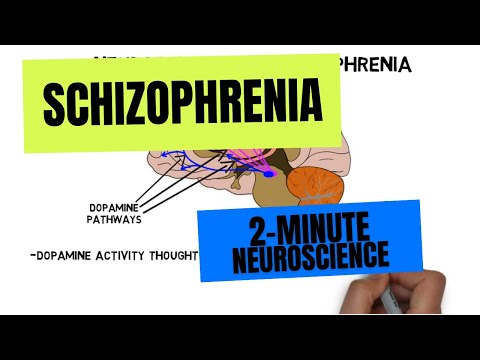
Alright, let’s talk about schizophrenia. You might have heard a lot of stuff about it. Some of it’s true, but a lot? Not so much.
So, what do you really need to know? Well, there’s this concept called the «Five A’s» that can help break it down for you. It’s like a cheat sheet for understanding the condition in the mental health context.
Imagine someone close to you struggling with their thoughts or feelings—not easy, right? The thing is, understanding schizophrenia helps us connect better and maybe even lend a hand.
Stick around; I’ll walk you through these five key points and why they matter. You ready? Let’s jump in!
Understanding Schizophrenia: Exploring the Connection Between Crying Spells and Mental Health
Schizophrenia is often misunderstood, and it can be a pretty complex journey for those who deal with it. Basically, it feels like your mind is playing tricks on you. You know, picture a radio that’s tuned to all the wrong stations—some parts are clear while others just blur into static. One emotional experience that can happen in this context is crying spells, and they might not seem directly linked to schizophrenia at first glance.
Crying spells can pop up in various mental health situations, including schizophrenia. It’s not unusual for someone experiencing these symptoms to feel overwhelmed. You might feel fine one moment and then suddenly find yourself in tears. That emotional rollercoaster? Totally understandable when you’re grappling with the Five A’s of Schizophrenia, which include affect, alogia, avolition, anhedonia, and asociality.
Affect refers to how emotions are expressed—like showing happiness or sadness visibly. If someone has a flattened affect due to schizophrenia, they may struggle to express joy or sorrow adequately. This disconnect can lead to pent-up emotions that eventually overflow into tears.
Then there’s alogia, which is basically about communication—it’s tough for some folks with schizophrenia to find the right words. They might feel isolated or frustrated when trying to express themselves verbally, and these emotions often build up until they spill over into crying spells.
Avolition, on the other hand, deals with motivation. Imagine feeling like everything you do takes way too much effort—chores, self-care—the whole deal seems daunting! When motivation dips like this, feelings of sadness can intensify and manifest in outbursts of crying.
Another critical aspect is anhedonia, where people lose interest in things they once loved. Think about it: if you no longer enjoy your hobbies or social interactions, it’s natural to feel down more often. Crying could be a way your mind tries to cope with that sense of loss.
Lastly, we have asociality. This relates to withdrawing from social situations or friendships because of emotional struggles or strange perceptions that come from schizophrenia itself. The isolation can deepen feelings of sadness and desperation over time—leading you straight into those crying spells again.
So what do we do about this? The important part is recognizing these crying spells aren’t just random—they’re part of how someone experiences their mental health challenges while living with schizophrenia. Therapy and medication often play huge roles in managing symptoms and helping someone find healthier outlets for those emotions.
Sometimes sharing empathy goes a long way too; friends should remind those dealing with schizophrenia that it’s okay not to be okay sometimes! Understanding the connection between crying spells and the broader picture helps both individuals affected and their loved ones navigate through those tough waters together.
Top 5 Schizophrenia Medications: Effective Treatments for Managing Symptoms
Schizophrenia can feel like a wild ride. Imagine your brain playing tricks on you—seeing things that aren’t there, or hearing voices whispering your name. It can mess with your head big time. But here’s the deal: there are medications out there that help manage those symptoms, making life more bearable.
The Five A’s of Schizophrenia give us a neat way to understand how this condition impacts individuals. These are: Affect, Association, Ambivalence, Autism, and Avolition. Meds play a crucial role in addressing these symptoms, so let’s look at some of the top medications used today.
- Olanzapine (Zyprexa): This one’s pretty common. Olanzapine helps tackle positive symptoms like hallucinations and delusions. For many, it brings relief when used correctly, but watch out for weight gain as a possible side effect.
- Risperidone (Risperdal): Another heavy hitter. Risperidone is effective for reducing both positive and negative symptoms. It can help with issues like lack of motivation or emotional flatness—think of it as helping to spark some energy back into life.
- Clozapine (Clozaril): This med is often reserved for folks who haven’t responded well to other treatments. Clozapine can be super effective but requires regular blood tests because of potential side effects that affect blood cell counts. Safety first!
- Quetiapine (Seroquel): Quetiapine is known for its calming effects and tends to be easier on the body in terms of side effects, compared to others. It helps with both mood stabilization and reducing psychotic symptoms.
- Lurasidone (Latuda): Newer on the scene, Lurasidone has gained popularity for its effectiveness in treating schizophrenia with a lower risk of some side effects like weight gain compared to older meds.
So yeah, these medications can make a huge difference in managing schizophrenia symptoms related to the Five A’s. They help you get back control when everything feels overwhelming.
It’s important to remember that finding the right medication is often a process—there’s no one-size-fits-all solution here! Doctors often work closely with their patients to adjust dosages or try different meds until they find what works best.
Having support during this journey is key too! Therapy sessions alongside medication can help you develop strategies to cope and thrive despite the challenges.
So if you or someone you know is navigating this tricky path, know there’s hope out there and lots of resources available!
Understanding Schizophrenia: The Five Key DSM-5 Criteria Explained
Schizophrenia can be a tough topic to unpack, so let’s break it down. This mental health condition isn’t just about hearing voices or having wild delusions, you know? There’s a lot more to it. The DSM-5, which is like the manual for diagnosing mental disorders, lays out some specific criteria that help professionals figure out what’s going on.
The five key A’s of schizophrenia are super important for understanding this condition. So, let’s get into them.
1. Affective Flattening
This basically means that someone might not show the usual emotions you’d expect in social situations. Picture this: you’re at a party, and someone tells a joke. Instead of laughing or even smiling, a person with affective flattening might just stare blankly or have a poker face. It can make it really hard for others to connect with them and understand how they’re feeling.
2. Alogia
Alogia refers to limited speech output. Sometimes folks really struggle to find words or keep conversations going. Imagine trying to chat with someone who responds with just one-word answers all the time—it can feel awkward! It’s not because they don’t want to talk; they often just find it hard to express themselves verbally.
3. Anhedonia
This one’s about losing pleasure in things that used to be enjoyable—like hanging out with friends, playing video games, or even eating your favorite food! If you’ve ever felt “meh” about something that once made you happy, you get the drift here. People with schizophrenia may find that many activities no longer bring them joy.
4. Avolition
Avolition is when someone has a hard time starting or sticking to tasks; think of motivation just slipping away like sand through your fingers. For instance, they might struggle to keep their room clean or forget about showering regularly—a big sign that something deeper is happening because these daily tasks become overwhelming.
5. Associative Disturbances
This refers to problems with thinking and organizing thoughts logically. You might notice someone jumping from topic to topic in conversation without any clear connection—it’s like trying to follow a train of thought on a rollercoaster! It can be super confusing for both them and anyone trying to have a meaningful discussion.
So anyway, understanding these five A’s helps us see how schizophrenia affects people in very real ways—not just what we think we see from the outside looking in. It’s all about getting deeper into the struggles individuals face every day while dealing with this condition!
So, let’s talk about the Five A’s of schizophrenia. It’s one of those topics that can sound really heavy, but breaking it down makes it a little easier to digest. You know, when you hear someone say «schizophrenia,» there’s often this immediate reaction that it means someone is dangerous or completely out of touch with reality. But the truth is way more complicated.
The Five A’s usually refer to things like: affective flattening, alogia, anhedonia, avolition, and asociality. Sounds pretty technical, right? But let’s unpack each one a bit.
Affective flattening is when someone has a reduced expression of emotions. Like, imagine sitting across from someone who just got some bad news but doesn’t show any reaction at all—no frown or sighs or anything. It can feel really unsettling because we expect emotional responses to match situations.
Then there’s alogia, which is about speech. Sometimes people with schizophrenia might have trouble putting thoughts into words or keeping a conversation going. Picture trying to chat with a friend who seems lost for words and gives you one-word answers—it can be tough to connect.
Now onto anhedonia. This one’s really profound; it means losing the ability to feel pleasure in things that usually make life joyful—like hanging out with friends or enjoying your favorite music. I remember a friend telling me how they used to love hiking on weekends but then suddenly felt nothing when they were out there with nature—just numbness where excitement used to be.
Avolition comes next and it’s tied up in motivation—or rather the lack thereof. Imagine waking up and feeling like even getting out of bed is too much effort; that’s what avolition can look like. It’s not just laziness; it’s this heavy weight that makes everyday activities feel impossible.
And finally, we have asociality. This refers to withdrawing from social interactions and relationships altogether. It’s like being at a party but feeling completely disconnected—you see everyone enjoying themselves but you’re trapped in your bubble.
So here’s the thing: these five aspects paint a picture of what someone might experience if they’re dealing with schizophrenia—but they don’t tell the whole story of who that person is. It’s critical to remember that behind these symptoms are real people navigating really tough challenges.
Understanding these A’s helps keep some perspective on mental health conditions and reminds us that empathy goes a long way in supporting those around us—regardless of what they’re facing. Just being there for someone can make such a difference—you know?