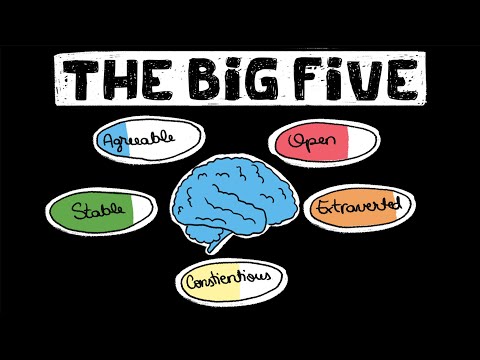
Alright, let’s get real for a minute. You ever think about why you do the things you do? Like, why you’re super outgoing one day and then just wanna curl up with Netflix the next?
That’s where personality tests come in, my friend. They’re like little mirrors that show different sides of you.
So, have you tried the 5 Factor Personality Test yet? It’s pretty cool. You get to explore five big traits that shape who you are.
And trust me, it can be kinda eye-opening. It’s not just a quiz for fun; it might help you understand yourself better. Like when your friend tells you they actually love going to parties but never knew how to say it out loud.
Let’s dive into this together and see what makes your mind tick!
Exploring the 5 Key Factors of Personality Tests: Understanding Your Traits
Personality tests can be a bit of a trip, right? The Five Factor Model, or the Big Five, is one of the most popular ways to break down your personality into manageable parts. Basically, it focuses on five key traits that can help you understand yourself better. Let’s dig into those five factors!
1. Openness to Experience
This trait is all about how open-minded and curious you are. If you’re someone who loves trying new foods or exploring different cultures, you probably score high on this scale. People who are high in openness tend to be more creative and adventurous, while those low in this factor might prefer routine and familiarity.
2. Conscientiousness
Think of conscientiousness as your inner organizer. It reflects how disciplined and goal-oriented you are. If you’re the type that makes lists and sticks to deadlines, congratulations! You likely have high conscientiousness. On the flip side, if you’re more spontaneous and often forget things, well… that could mean lower scores here.
3. Extraversion
This one’s pretty straightforward: it’s about how outgoing and social you are. Extraverts tend to feel energized by being around people, while introverts might find large groups draining. For instance, if a packed party sounds thrilling to you but a quiet night with a book feels perfect for others, your extraversion level is probably pretty high!
4. Agreeableness
Agreeableness taps into how friendly and compassionate you are towards others. People high in agreeableness are usually empathetic and cooperative—think of the friend who’s always there to listen or lend a hand. If you’re more competitive or critical in nature, that could indicate lower agreeableness.
5. Neuroticism
Last but not least, neuroticism deals with emotional stability versus instability. If you often feel anxious or moody about life’s ups and downs—you might score higher on this scale. Those who manage stress well and tend to stay calm may find themselves lower here.
Each of these traits exists on a spectrum; meaning no one’s just one thing or another—you know? You could be super open but also quite agreeable at the same time! And understanding these traits can really help shed light on why we do what we do.
Incorporating personality insights into our daily lives can transform relationships too! For example, knowing that your friend has low neuroticism might help when they seem unfazed during stressful situations—what happens is it helps foster empathy.
So next time you’re taking a personality test or thinking about these traits, keep in mind they’re like pieces of a puzzle that make up who you are!
Exploring the Impact of Personality Traits on Mental Health and Well-Being
The way your personality is shaped plays a huge role in how you feel and cope with life. Seriously, it’s like a filter through which we see the world. So, when you think about personality traits and mental health, there’s a lot to unpack!
Big Five Personality Traits
The Big Five model breaks down personality into five main traits: openness, conscientiousness, extraversion, agreeableness, and neuroticism. Each one can affect your mental well-being in different ways.
- Openness: This trait is about being open to new experiences. If you’re high in openness, you might be more creative and adventurous. But sometimes, it can also lead to feeling overwhelmed by too many possibilities.
- Conscientiousness: Think of this as being organized and responsible. Being high here usually means you’re good at setting goals and sticking to them. But if you’re too conscientious, you might stress yourself out trying to meet perfectionist standards.
- Extraversion: If you’re outgoing and energetic, you’re likely high on this trait. Extraverts often have better social support networks which can help with mental health issues like anxiety or depression. That said, being overly reliant on social interactions for validation can make you feel anxious when alone.
- Agreeableness: This refers to how friendly or compassionate you are towards others. A high score here generally leads to good relationships and support systems but can also cause stress when you struggle to set boundaries.
- Neuroticism: This is all about emotional stability—or the lack of it! Higher neuroticism often leads to issues like anxiety or mood disorders because emotions tend to fluctuate more dramatically.
Now, think about Sam for a second—a friend who’s super agreeable but has a hard time saying no. You know how they always end up taking on way too much? That kind of behavior could lead them straight into burnout territory!
The Interplay Between Traits
It’s not just one trait that matters; it’s how they interact together that really shapes your mental health landscape! For example, someone who’s high in both neuroticism and low in conscientiousness may really struggle with managing stress effectively.
Then there’s the whole thing about life experiences—like growing up in an unstable environment. That can influence your traits as much as genetics do! So even if someone starts out super agreeable and low on neuroticism but faces constant challenges, their personality may shift over time.
Your Path Forward
Understanding where you stand on these traits could be the first step toward improving your mental health. There are tests out there—like the Five Factor Personality Test—that can help you figure this stuff out!
Also, knowing your personality traits helps therapists tailor their approaches when working with clients. For instance, if you’re generally reserved (high on neuroticism), they might suggest different coping strategies than they would for an outgoing person who thrives in group settings.
The thing is: recognizing these patterns puts power back into your hands! You start understanding why certain situations trigger specific feelings or responses.
So yeah, personality traits totally shape our emotional experiences daily—and they definitely pave pathways for our mental health journeys!
Mastering the Big Five Personality Test: Tips for Accurate Responses and Insights
The Big Five Personality Test is a tool to help you understand yourself better. It dives into your personality through five main traits: openness, conscientiousness, extraversion, agreeableness, and neuroticism. Let’s break down how you can get the most out of it and give accurate responses.
Know the Big Five Traits
First off, familiarize yourself with these traits. Each one represents a different aspect of your personality.
- Openness: Think of this as your imagination and willingness to try new things.
- Conscientiousness: This relates to how organized and responsible you are.
- Extraversion: This is about how outgoing or shy you might be.
- Agreeableness: This trait shows how compassionate and cooperative you are.
- Neuroticism: This one’s about emotional stability—how prone are you to stress or mood swings?
Understanding these traits helps when you’re answering the questions. For example, if you’re asked how much you enjoy trying new foods, knowing that this taps into your «openness» will focus your response.
Treat It Like a Conversation
When taking the test, imagine it’s more like chatting with a friend than filling out a form. Don’t overthink every question; go with what feels right in the moment. If something makes you hesitate, that’s probably telling. Maybe you’re more cautious than you thought!
Avoid Extremes
Try not to answer everything at the very high or low end of the scale unless it’s truly reflective of who you are. Remember those moments when you’ve felt in-between? Those can be helpful guides for your answers.
Be Honest but Thoughtful
Now is not the time for playing it safe or trying to impress anyone. Just be real about how you feel and think. Your responses should reflect your true self, even if that means admitting some less-than-flattering things about yourself!
For example, if you’re an introvert but feel pressure to seem more extroverted at times, acknowledging that tension can provide valuable insights into who you really are.
If You Get Stuck
It happens! If a question trips you up, just take a second to breathe and think about past experiences related to that trait. Or even ask yourself who you’d want to be in an ideal world versus who you actually are right now.
Your Results Are Not Set in Stone
Finally, remember that everyone’s personality evolves over time. The results from this test give insight into where you’re at today—not where you’ll always be! So don’t freak out if something surprises you or doesn’t align with what you’ve thought before.
By understanding these things about the Big Five Personality Test, you’ll get clearer insights into yourself while responding accurately. Each answer adds up to create a fuller picture of your unique personality!
So, let’s talk about the 5 Factor Personality Test, or the Big Five, as some folks call it. It’s one of those tools that helps you peek into your own mind, which can be kind of eye-opening, you know?
I remember taking it a while back when I was in a bit of a funk. I was trying to figure out why I was feeling so out of sorts. A friend suggested I give this test a whirl. At first, I was like, “Really? This sounds kinda weird.” But then I thought, why not? So I settled in with my coffee and started answering questions.
Basically, this test breaks down your personality into five key traits: openness, conscientiousness, extraversion, agreeableness, and neuroticism. Like, each one gives you a glimpse into different parts of who you are.
Openness is all about creativity and curiosity—are you someone who loves new experiences? Then there’s conscientiousness; think of it as your level of organization and reliability. If you’re like me and sometimes forget where you put your keys… well, maybe not your strong suit! Extraversion measures how outgoing or reserved you are. Agreeableness looks at how compassionate or cooperative you tend to be. And neuroticism reflects emotional stability—higher scores mean more anxiety.
When my results popped up on the screen after what felt like forever answering questions, it kind of hit me. Some traits were exactly what I expected; others threw me for a loop! For example, my extraversion score surprised me—I always thought of myself as somewhat shy but apparently have a friendly side just waiting to come out.
What really stood out was how these traits played together in my life. They weren’t just numbers but insights into my behaviors and feelings—like why some social situations drain me while others light me up! Knowing more about yourself can be super freeing and explain those little quirks we all have.
Of course, no test is perfect; it’s just one piece of the puzzle that makes up who we are. But hey—it opened doors for conversations with friends too! We started sharing our scores and discussing our differences—it brought us closer somehow.
So if you’re ever curious about yourself or just need a little self-reflection time—give the 5 Factor Personality Test a shot. You might discover something new about yourself that makes this wild ride called life even more interesting!