So, schizophrenia—it’s one of those topics that can feel super heavy, you know? People often think of it as just “voices” or “crazy.” But there’s so much more going on under the surface.
Imagine trying to make sense of your world where reality feels like a fuzzy puzzle. That’s what many with schizophrenia deal with daily. And that’s where understanding the brain’s chemistry comes in.
Now, let’s chat about this thing called the 5 HT2A receptor. Sounds pretty technical, right? But hang tight; it plays a huge role in how symptoms show up. It’s like this tiny piece of the puzzle that can change everything.
Curious yet? Buckle up! This receptor is not just sitting around; it’s actively shaping experiences in ways we’re still discovering. So yeah, let’s break it down and see how it all connects!
Exploring the Link Between 5-HT2A Receptors and Schizophrenia: What Research Reveals
Schizophrenia is a complex mental health disorder that can really mess with how someone thinks, feels, and behaves. One of the big players in this condition is the 5-HT2A receptor, which is a type of serotonin receptor. You know, serotonin’s that chemical in your brain often linked to mood and happiness. Well, these receptors are thought to play a crucial role in schizophrenia symptoms.
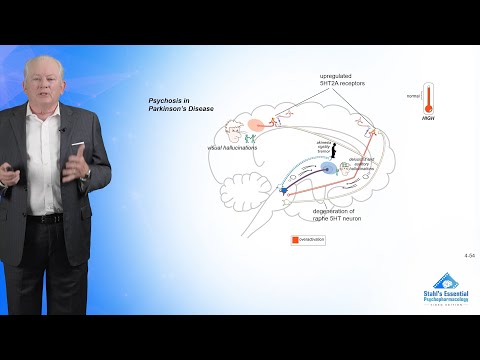
So, let’s break it down. The research shows that there’s an interesting connection between 5-HT2A receptors and the symptoms of schizophrenia—like hallucinations or delusions. Here’s the thing: typically, when 5-HT2A receptors are overactive, it can lead to an increase in those pesky symptoms. Essentially, if these receptors get too much action going on, it can throw off brain chemistry and lead to more severe mental issues.
Scientists have been looking closely at how medications for schizophrenia work in relation to these receptors. Many antipsychotic drugs target 5-HT2A receptors to help reduce symptoms. It’s like a balancing act; they’re trying to calm things down where there’s too much excitement happening.
Here are some key points about the role of 5-HT2A receptors:
- Location Matters: These receptors are found all over the brain—in areas related to mood regulation and perception.
- Dopamine Connection: They interact with dopamine pathways, which are also critical in schizophrenia.
- Affecting Symptoms: Alterations in 5-HT2A signaling can worsen negative symptoms like lack of motivation or social withdrawal.
- A New Angle: Research is suggesting that targeting these receptors might provide new treatments beyond traditional antipsychotics.
Think about someone named Alex who has schizophrenia. They might experience hallucinations or feel really disconnected from reality. If their 5-HT2A receptors are firing off too much, it could make these experiences even more intense and difficult for them to deal with.
Interestingly enough, some studies show that psychedelics—which also affect 5-HT2A—can induce temporary changes in consciousness but under controlled settings could offer insights into treating mental health disorders like depression or PTSD.
In short, this link between 5-HT2A receptors and schizophrenia is pretty fascinating but complicated too. The ongoing research might unlock new doors for treatment options that could help people manage their symptoms better and improve their quality of life—because at the end of the day, everyone deserves support on their path to mental wellness!
Top Supplements for Managing Schizophrenia: What You Need to Know
Schizophrenia can be a tough journey, and managing its symptoms often feels like navigating through a maze. It’s not just about medication; there are supplements that some folks find helpful. One cool thing to keep in mind is the role of 5-HT2A receptors in schizophrenia. These receptors, which are basically proteins in your brain, play a part in regulating mood and perception. When they’re not functioning right, it can lead to some of the symptoms associated with schizophrenia.
Now, talking about supplements—there are a few that people look into when thinking about management strategies.
- Omega-3 Fatty Acids: These guys are found in fish oil and have been shown to support brain health. Some studies suggest they could help alleviate certain symptoms of schizophrenia.
- N-Acetylcysteine (NAC): This antioxidant is thought to help with negative symptoms—the stuff that makes you feel flat or withdrawn. Research has shown it may support changes at those 5-HT2A receptors.
- Vitamin D: Low levels of vitamin D might be linked to mental health issues. Some folks find that boosting their vitamin D helps with their overall mood and cognition.
- B Vitamins: These vitamins are crucial for brain function. Especially B6, B9 (folate), and B12 might play roles in managing psychotic symptoms.
- Zinc: Low zinc levels have been spotted in people with schizophrenia, which hints there might be a connection. Supplementing could help some individuals feel better.
Here’s where it gets personal: I knew someone who struggled with schizophrenia for years. It was heartbreaking to see how the world felt disconnected for him—like he was trapped behind glass while everyone else moved around freely. After trying various therapies and medications, his doctor suggested looking into supplements alongside his treatment plan—and you know what? He started taking omega-3s and NAC, and he felt a little more present in his life again.
That said, it’s super important to approach this stuff cautiously. Supplements aren’t one-size-fits-all glam awards; what works for one person might not work for another, you know? It’s always best to talk things over with a healthcare professional before adding anything new into the mix.
So yeah, if you’re considering these options or just curious about how they tie into managing schizophrenia symptoms related to 5-HT2A receptors, keep an open dialogue with your support team! They can help guide you toward what’s best suited for your situation—because at the end of the day, you’ve got your own unique path through this maze.
Exploring the Role of Dopamine Receptors in Schizophrenia: Key Insights
Schizophrenia is a complex and often misunderstood mental health condition. It’s like trying to untangle a really messy ball of yarn, with different threads representing various symptoms and biological factors. One of the most important players in this puzzle is dopamine, a key neurotransmitter in our brains.
You see, dopamine is involved in pretty much everything: motivation, reward, and motor control. But what’s particularly interesting about it is its connection to **schizophrenia**. Research shows that an imbalance of dopamine can lead to the symptoms associated with this disorder. It’s like having a radio that’s stuck on one frequency—everything gets distorted.
When we talk about dopamine in the context of schizophrenia, we can’t ignore dopamine receptors. These are basically the locks on cells that dopamine molecules fit into, allowing them to send signals throughout the brain. The main types of dopamine receptors involved are D1 and D2 receptors.
Now let’s focus on those **D2 receptors** for a moment. Studies have found that people with schizophrenia often have an overactivity of these D2 receptors in certain brain areas! It’s as if there’s too much noise where there should be calmness. This overactivity can lead to what we call positive symptoms: hallucinations, delusions—things that feel very real but aren’t actually happening.
On the flip side, negative symptoms—like lack of motivation or emotional flatness—aren’t just caused by too much dopamine. That’s where ***5-HT2A receptors*** come into play. These serotonin receptors can actually modulate dopamine activity; they help balance things out but can also contribute to those negative symptoms when they’re not functioning properly.
So basically:
- Dopamine imbalance plays a key role in schizophrenia.
- D2 receptors are often overactive, leading to positive symptoms.
- 5-HT2A receptors affect serotonin levels and can influence negative symptoms.
Imagine being at a concert where the bass is way too loud—you can’t hear anything else properly! That’s similar to what happens with an overload of certain neurotransmitters affecting how you perceive reality.
Understanding these receptor roles gives researchers insights into new treatments for schizophrenia. For instance, some newer antipsychotics target both dopaminergic and serotonergic systems to try and get that balance right.
It’s fascinating how such tiny molecules can have such massive effects on someone’s life! When you break it down like this, you realize just how crucial these dopamine and serotonin interactions really are in understanding mental health conditions like schizophrenia.
Alright, let’s chat about those 5-HT2A receptors and their role in schizophrenia. Now, if you’re thinking, «What the heck are those?», don’t sweat it. Basically, they’re a type of serotonin receptor in the brain. Serotonin’s that neurotransmitter everybody talks about when discussing mood and emotions. So, this is about how those receptors might connect to symptoms of schizophrenia.
Okay, picture this: you have a friend who’s navigating life with schizophrenia. What they experience can be really intense—delusions or hallucinations can make reality feel like a totally different place. You know? It’s not just “feeling down” or “having a tough day”; it’s like their brain has its own set of rules that you’re not privy to.
Researchers believe that when serotonin interacts with these 5-HT2A receptors, it might influence some of these symptoms. It’s like trying to tune into a radio station—if the reception is weak or off, the music sounds all jumbled and distorted.
So what happens is that some antipsychotic medications target these receptors to help manage symptoms. They work to balance that serotonin action and hopefully bring some clarity for folks dealing with this condition. But here’s the thing: it doesn’t always work perfectly for everyone. And sometimes, people still struggle with side effects from these meds.
It makes you think how complex our brains are, right? Like even something as simple as a chemical interaction can lead to such varied experiences for people dealing with mental health issues. I think about my friend again; one moment they’re laughing over something silly we saw on TV, and then in another instant, they’re battling something only they can see or hear.
In the end, understanding these receptors helps researchers find better treatments and get closer to easing someone else’s reality a bit more effectively. It’s all interconnected—like pieces of a puzzle trying to fit together so that everyone can have more good days than bad ones.
Schizophrenia is still such a deep well of mystery for science and medicine. And maybe one day we’ll be able to use this knowledge in ways we can’t even imagine yet!