You know, understanding yourself better can feel like searching for a missing puzzle piece. It’s like, why do I react this way or think that way?
Personality tests can really help with that. Seriously, they’re not just for fun at parties! They can give you some solid insights into who you are and how you tick.
Think about it. You take a little quiz, and boom! You might uncover something about yourself that’s been hiding in plain sight. How cool is that?
So let’s chat about five personality tests that could actually boost your mental health journey. Buckle up!
Understanding the Big Five Personality Test: Key Insights into Your Psychological Profile
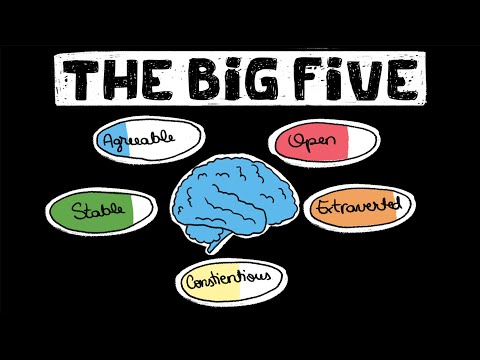
The Big Five Personality Test is like peeking into a mirror that shows you the different shades of your personality. It breaks down who you are into five major traits, each giving insight into your thoughts, feelings, and behaviors. So, let’s get into what these traits are all about!
Openness refers to how willing you are to try new things. People who score high in this area tend to be imaginative and curious. They enjoy exploring new ideas and cultures. For instance, let’s say you’re the type of person who loves trying out exotic foods or diving into different art forms. That curiosity shows strong openness!
Then there’s Conscientiousness. This trait measures your ability to stay organized and focused on goals. High scorers are often disciplined and prefer planning ahead. Think about someone who never misses a deadline—we’re talking about the ultimate planner! If you’re always jotting down reminders or creating detailed to-do lists, you might be leaning towards high conscientiousness.
Next up is Extraversion. This one’s pretty straightforward: it gauges how energized you feel around other people. Extraverts thrive in social situations and feel charged by interactions with others. Imagine someone at a party chatting everyone up—that’s an extravert in their element! If being surrounded by friends gives you a boost, you’re likely on that end of the scale.
On the flip side, we have Agreeableness. This trait reflects how much compassion and cooperation you show towards others. High agreeableness means you’re kind-hearted—think about someone who always offers support or goes out of their way to help friends in need. If you’re known for your empathy and understanding, congrats; you’re probably high in agreeableness!
Lastly, there’s Neuroticism. This one deals with emotional stability. Higher scores indicate more frequent feelings of anxiety or moodiness—like when life’s little stressors feel overwhelming at times. But if you’re more laid-back and handle stress like a champ, then good for you; low neuroticism means you’re rocking that emotional resilience.
Understanding these traits can seriously boost your mental health journey by giving you a clearer picture of yourself. You might find that recognizing your patterns helps improve relationships or tackle challenges differently! So next time you’re feeling confused about why you react to things the way you do, remember this test might shed some light.
In summary:
- Openness: Willingness to try new things.
- Conscientiousness: Organization and goal-oriented behavior.
- Extraversion: Energy from social interactions.
- Agreeableness: Compassionate and cooperative nature.
- Neuroticism: Emotional stability under stress.
The thing is, knowing where you stand on these traits can empower not just self-awareness but also growth opportunities along your mental health journey! It’s all about figuring out what makes you tick—and that can lead to some pretty cool changes in life!
Exploring the Big 5 Personality Traits: Their Role in Modern Psychology
The Big 5 Personality Traits are a super interesting way to look at how we all tick. These traits give insight into our behavior, thoughts, and feelings. They’re often used in psychology to help understand ourselves better and can be pretty handy in various aspects of life, from work to relationships.
1. Openness to Experience: This trait reflects how open-minded and adventurous you are. People high in openness might enjoy new experiences, whether it’s trying out new foods or diving into different cultures. Think of someone who’s always eager to travel or learn quirky hobbies. On the flip side, those low in this trait might prefer routine and familiarity.
2. Conscientiousness: This one basically measures how organized and dependable you are. If you’re the type who likes lists and planning things out, you’re likely high in conscientiousness. Those with lower levels may be more spontaneous but might struggle with keeping things on track—like forgetting appointments or being late more often.
3. Extraversion: This is all about how much you enjoy being around people. Extraverts tend to be outgoing and energized by social interactions; they love a good party! Introverts, on the other hand, feel recharged by alone time or smaller gatherings. So if you find yourself winding down after a noisy night out, you might lean toward being introverted.
4. Agreeableness: If you’re friendly and compassionate, this is your jam! High agreeableness means you’re likely empathetic towards others and cooperative in groups. Lower levels can mean someone might come off as more competitive or critical; it doesn’t necessarily make them a bad person—it’s just their style.
5. Neuroticism: Now, this trait deals with emotional stability versus instability. If you’re high in neuroticism, you may often feel anxious or moody—a little like riding an emotional roller coaster! Those lower in this trait usually maintain a calm demeanor even during chaos; they handle stress like pros.
These traits don’t exist in isolation; they interact in ways that can shape your mental health journey significantly! For example, someone who scores high on conscientiousness but low on neuroticism might have an easier time managing stress because they’re organized while also keeping their emotions stable.
In modern psychology, understanding these traits helps therapists tailor approaches for individuals—kind of like choosing the right tool for a job! It allows for more personalized strategies that resonate better with different personality types.
If you’ve ever taken a personality test related to these Big 5 traits, like the **Big Five Inventory** (BFI) or **NEO-PI-R**, it could provide some really eye-opening insights into your behaviors and preferences.
So there you have it! The Big 5 Personality Traits aren’t just dry academic stuff—they can seriously impact how we understand ourselves and relate to others every day!
Discovering the Best Big Five Personality Test: A Comprehensive Guide to Understanding Your Traits
The Big Five Personality Traits model is like a roadmap for understanding who you are. Basically, it breaks down your personality into five key traits: openness, conscientiousness, extraversion, agreeableness, and neuroticism. Knowing where you stand in each of these areas can help you navigate life better, whether it’s in work, relationships, or just understanding yourself.
Openness is all about how willing you are to experience new things. If you score high here, you might be the adventurous type who loves trying new foods and going on spontaneous trips. Lower scores could mean you prefer familiar routines and predictability. For example, if a friend invites you to go skydiving but you’re like “Nah,” it could be your lower openness coming into play.
Conscientiousness measures your level of organization and dependability. High scorers tend to be disciplined and goal-oriented—it’s like being that friend with a color-coded planner. If you’re not great with plans or follow-through, then maybe your conscientiousness isn’t so high.
Extraversion focuses on how energized you feel in social settings. Some people are super outgoing and love being around others. In contrast, introverts might feel drained after socializing for too long. Think of it this way: if you’re at a party and you’re bouncing around chatting with everyone versus sitting quietly in the corner scrolling through your phone—there’s a good chance the trait of extraversion explains that.
Agreeableness reflects how compassionate or cooperative you are towards others. A highly agreeable person will likely go out of their way to help friends or avoid conflict at all costs. On the flip side, lower scores can mean someone’s more critical or competitive; they might say what they think without sugarcoating it.
Lastly, we have neuroticism, which deals with emotional stability—how much stress or anxiety affects you day-to-day. A person high in neuroticism might often feel overwhelmed by little things or worry excessively about potential issues.
When it comes to finding the best way to measure these traits through tests, several options stand out:
- The NEO Personality Inventory: This is one of the most well-researched tools available and offers deep insights into each trait.
- The Big Five Inventory (BFI): It’s shorter than NEO but still quite reliable for giving an overall picture.
- The PERSOONI Test: This one gives unique insights based on modern research trends while being accessible online.
- The IPIP-NEO: This free version is pretty popular among folks who want an informal approach without spending cash.
- The 16 Personalities Test: While technically based on Myers-Briggs theory, it integrates aspects of the Big Five for understanding personality types.
So why should these tests matter? Well, discovering where you fall on the Big Five can enhance your mental health journey! It helps identify patterns that make sense of everyday behaviors—like why certain situations make you anxious or why teamwork sometimes feels exhausting.
Imagine knowing all this about yourself before starting a new job—you could tailor your work style to fit your strengths while also being aware of areas that might need improvement.
Ultimately, remember this isn’t just about scoring high or low; it’s about self-awareness and personal growth! The real power lies in understanding these traits as part of your unique tapestry—it can change how you see yourself and interact with others every day! So take some time for those tests; it could be quite an eye-opener!
Personality tests, huh? They’ve kind of become a big deal lately. I mean, who hasn’t taken one of those quirky quizzes to find out if they’re more of a lion or a panda? Laughs aside, these things can actually play a pretty key role in our mental health journeys. So let’s chat about how they might help you out.
First off, there’s the Enneagram. You know, that one where you figure out your type by answering questions about how you handle stress and relationships? A friend of mine was on this quest to understand herself better after going through a rough breakup. She dove into the Enneagram and realized she was a Type 4—a creative soul who often felt misunderstood. It was kind of like flipping on a light switch for her! By understanding herself, she could work on those feelings and improve her relationships moving forward.
Then there’s the Myers-Briggs Type Indicator (MBTI). It’s one of the classics—and for good reason! It can help you see where you fit in the world based on your preferences in four areas: where you get your energy from, how you take in information, how you make decisions, and how you prefer to organize your life. I remember taking it once and realizing I’m an INFP (you know, the dreamer type). That hit me hard because it explained why I sometimes struggle with making decisions or feel overwhelmed by too much social interaction!
The Big Five Personality Traits also get some love around here. This test explores five main traits: openness, conscientiousness, extraversion, agreeableness, and neuroticism. What’s neat is that it gives a clearer picture of your personality spectrum rather than just labeling you as one thing or another. A buddy went through this test while working to manage his anxiety; getting clarity on where he lands helped him recognize areas he wanted to improve.
Next up is the HEXACO model—you might not hear about this one as often but it’s really interesting! It adds honesty-humility to the mix along with emotionality and curiosity aspects. For someone trying to understand their motivations better or struggling with self-criticism like many of us do at times—it can be super enlightening.
Finally, we’ve got strength-based assessments like VIA Character Strengths. This one flips the script by focusing on what you’re naturally good at rather than what needs fixing—something we all could use from time to time! You know when you’re feeling low and get bogged down by weaknesses? This can really help lift that weight off your shoulders.
So yeah… personality tests aren’t just for fun—they can be tools for growth in our mental health journeys. They help us learn more about ourselves and provide insight into our emotions and behaviors. Plus—trust me—it feels great when you discover something new about yourself! So go ahead; take that quiz or two if it feels right for you!
Just remember: these tests are just starting points—not definitive boxes to shove yourself into. Each experience is uniquely yours—embrace it!