Hey, you ever feel like your thoughts are just racing around like a bunch of caffeinated squirrels? Seriously, it can be overwhelming. You’re not alone in this chaos; we all have those moments when life seems a bit too much.
But here’s the thing: grounding yourself can really help. It’s like hitting pause on all that mental noise. You know, taking a breather to just be present with yourself, even if it’s just for a minute or two.
So, let’s chat about some simple steps to help you find that calm amidst the storm. Because, honestly, we could all use a little more zen in our lives! Sound good? Great! Let’s get into it!
Five Simple Steps to Ground Yourself for Improved Mental Health – Free PDF Guide
Grounding yourself is one of those things that can really help when life feels like it’s spinning out of control. Basically, it’s about reconnecting with the present moment—helping you feel more stable and centered. So let’s break down some simple steps that can make a big difference for your mental health.
1. Focus on Your Senses
One solid way to ground yourself is by tuning into your senses. Seriously, take a moment to notice what you can see, hear, smell, or feel. Maybe you’re sitting outside; feel the breeze on your skin or listen to the rustling leaves. This little act pulls you back into reality when your thoughts start racing.
2. Deep Breathing
Another technique is deep breathing. It sounds simple, but it’s powerful! Try inhaling deeply through your nose for about four counts, holding that breath for four counts, and then exhaling slowly through your mouth for another four counts. You might be surprised how just a few minutes of this can calm that mental chatter.
3. Physical Movement
Get up and move! Whether it’s stretching, going for a walk, or even doing some jumping jacks—physical activity can be incredibly grounding. Moving your body releases pent-up energy and helps you reconnect with the physical world around you.
4. Connect with Nature
If you can, spend time outdoors! Nature has this amazing way of grounding us. Just walking in a park or listening to birds chirping can shift your mood significantly. Remember that time when you stepped outside after being cooped up all day? Instant relief!
5. Practice Mindfulness
Lastly, mindfulness is key here. It’s all about being present without judging yourself for what you’re experiencing—good or bad. Try sitting quietly for a few minutes and focusing only on your breath or the sounds around you without letting your mind wander too much.
Grounding isn’t just some fluffy concept; it’s practical stuff that really works when you’re feeling overwhelmed or anxious. Everyone might find different techniques helpful—experiment! Your mental health deserves care and attention every single day.
Mastering Stress Relief: Download the 5-4-3-2-1 Grounding Technique PDF for Instant Calm
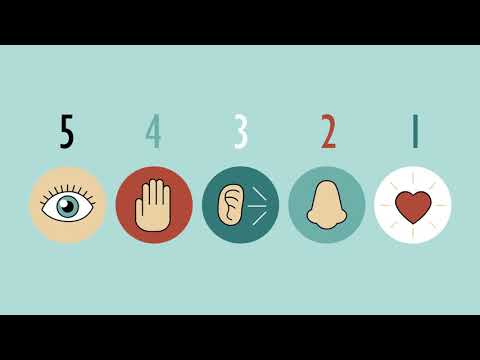
The 5-4-3-2-1 grounding technique is all about pulling you back into the present moment when you’re feeling overwhelmed. You know those days when stress just grips you? This method can really help, like a little mental reset button. Let’s break it down, shall we?
This technique relies on your senses to ground yourself in reality. It’s a simple process that involves identifying things around you, and here’s how it goes:
Step 1: Acknowledge 5 things you can see. Look around and take stock of your surroundings. Maybe it’s a painting on the wall or your favorite mug sitting on the table. The key is to really notice them, like observing details you might typically overlook.
Step 2: Recognize 4 things you can touch. Feel textures around you. It could be your soft sweater or the coolness of a metal chair. Touching something tangible helps bring your focus back from racing thoughts to the here and now.
Step 3: Notice 3 things you can hear. Listen closely! Maybe it’s birds chirping outside or someone talking in another room. Paying attention to sounds pulls your mind away from stress.
Step 4: Identify 2 things you can smell. This one might be tricky if you’re not out and about, but maybe it’s the scent of coffee brewing or flowers nearby. If smells aren’t an option, remember a comforting scent—like fresh bread or pine trees—that takes you to a calm place.
Step 5: Focus on 1 thing you can taste. You could pop something in your mouth if you’re near food, like a piece of gum or just recall a favorite flavor, like chocolate cake! This step helps cement the experience further into reality.
To give it some personal flair, I once had this buddy dealing with anxiety who was constantly stressed at work. He started using this technique during his breaks, literally stopping to notice his environment—like that weird painting by the elevator that he never paid attention to before! It became this little moment of peace amidst chaos.
You don’t need to download anything fancy for this—though having a PDF with these steps handy sounds nice! The beauty is in its simplicity and accessibility any time you’re feeling frazzled. Remembering to breathe while doing these steps makes them even more effective!
Next time stress creeps up on you—and we all know it will—just remember this grounding technique is there waiting for ya. Seriously, give it a shot!
Effective Grounding Techniques to Manage Anxiety and Boost Mental Clarity
Grounding techniques can be a lifesaver when anxiety starts creeping in. You know that feeling when everything feels out of control? Grounding helps pull you back into the present moment. It’s like having an emotional safety net. So, let’s break down some effective grounding techniques that can really help boost your mental clarity.
1. The 5-4-3-2-1 Technique
This technique uses your senses to anchor you in the here and now. Start by identifying:
- Five things you can see: Look around you—what catches your eye? It could be a picture on the wall or a plant.
- Four things you can touch: Feel the fabric of your clothes, the ground beneath your feet, or something smooth.
- Three things you can hear: Listen closely. Maybe it’s the ticking of a clock or the rustle of leaves.
- Two things you can smell: Inhale deeply! Maybe there’s coffee brewing or flowers in bloom.
- One thing you can taste: Pop something in your mouth—a mint, a sip of water—whatever works!
I remember once feeling overwhelmed at work. Doing this exercise helped me focus on my surroundings instead of my racing thoughts.
2. Deep Breathing
Breathwork is super powerful for anxiety management. Take deep breaths—fill your lungs completely and then exhale slowly. Try inhaling for a count of four, holding for four, and then exhaling for six counts. It slows down your heart rate and calms those anxious vibes.
3. Visualization
Picture yourself in a calm place—a beach, forest, or anywhere that feels relaxing to you. Close your eyes and imagine what it looks like: the colors, sounds, and smells. This mental escape lets you step away from stress for a moment.
4. Physical Movement
Sometimes just getting up and moving is all it takes to snap back into reality! Go for a short walk or do some stretches; even shaking out your limbs can help release pent-up energy.
5. Mindfulness Meditation
Meditation isn’t just sitting cross-legged with incense burning—it’s about being present without judgment. Take 5 to 10 minutes each day to sit quietly, focus on your breath, and observe what thoughts come up without getting caught up in them.
Remember that grounding techniques might feel awkward at first—they take practice! Not every method will click with everyone; it’s about finding what works best for you.
So next time you’re faced with anxiety or mental fog, give these techniques a shot! The more tools in your toolbox, the better equipped you’ll be to handle whatever life throws at ya!
You know those days when everything just feels way too much? Like you’re carrying the weight of the world on your shoulders? Yeah, I’ve been there. Sometimes, it’s like our minds are running a marathon, and we can’t catch a break. That’s when grounding yourself really comes into play. It’s all about bringing yourself back to the present and finding that anchor amidst the chaos.
One of the first things you might want to try is simply taking a few deep breaths. Sounds simple, right? But seriously, just pausing for a moment to inhale deeply and then letting it out slowly can work wonders. It’s like hitting the reset button for your brain. I remember feeling so anxious over an upcoming presentation once; my heart was racing, and I was convinced I’d bomb it. So I took a minute to breathe deeply. Though my heart didn’t stop racing altogether, it definitely calmed down enough for me to gather my thoughts.
Another trick is engaging your senses. Look around you and name five things you can see. Then focus on four things you can touch—maybe that cozy sweater or the cool surface of your desk? It sounds a bit odd, but connecting with your environment pulls you right back into reality instead of spiraling into whatever worries are circling in your head.
And hey, speaking of connection—don’t forget about good old-fashioned movement! Whether it’s going for a walk or just stretching in your living room, moving your body helps shake off those anxious feelings. Just last week, after an exhausting day at work where everything seemed wrong, I stepped outside for a quick walk around the block. Honestly? By the end of it, I felt lighter somehow.
Then there’s mindfulness meditation; this one’s big these days! You don’t need to spend hours sitting cross-legged on a mat (unless that’s your vibe!). Just setting aside 5-10 minutes to focus solely on your breath or even listening to some calming music can help center you.
Lastly, let’s not forget about reaching out to someone who gets it—you know what I mean? A friend or family member who’ll listen without judgment might be just what you need when you’re feeling overwhelmed. There’s something healing about sharing what you’re going through; it’s like ripping off that heavy band-aid.
So yeah, grounding techniques are super helpful tools when life feels like too much to handle. They remind us that we’re still here in this moment—and that’s pretty powerful stuff!