So, here’s the deal. Life can get pretty overwhelming, right? One minute you’re cruising along, and the next you’re hit with a tidal wave of feelings. It’s like, whoa, slow down!
But listen, it’s totally okay to feel all over the place sometimes. We all do. Seriously. There are days when emotions just ride you like a rollercoaster.
That’s why I want to share something cool with you – 54321 coping techniques! Sounds kind of wild, huh? But stick with me; these little tricks can be total game-changers for your emotional wellbeing.
Whether you’re stressed about work or just dealing with everyday craziness, these techniques can help ground you and bring some peace back into your life. So let’s get into it and find that calm together!
Discover the 54321 Grounding Technique: Download Your Free PDF Guide for Enhanced Mental Well-Being
The 54321 grounding technique is like your personal mental reset button. Seriously, sometimes when life feels overwhelming, you just need a little nudge to bring yourself back to the present moment.
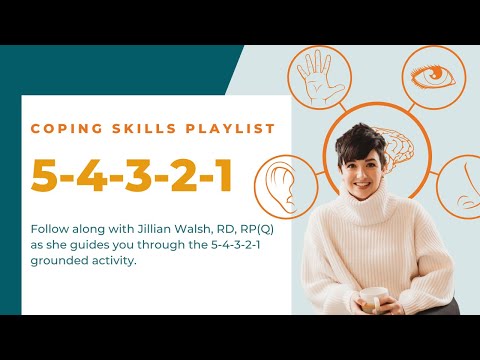
So, what exactly is the 54321 technique? It’s a simple exercise that helps you reconnect with your surroundings and calm down those rattling nerves. The idea is to identify your environment, focusing on what you can see, hear, touch, smell, and even taste. This method can be super helpful when anxiety creeps in or if you’re feeling disconnected.
Here’s how it works:
- 5 things you can see: Look around you and pick out five things. It could be a flower on your desk or the swaying branches of a tree outside.
- 4 things you can feel: Notice what’s in contact with your skin. Maybe it’s the softness of your chair or the warmth of your coffee cup.
- 3 things you can hear: Tune into sounds around you. It might be traffic outside or the hum of a computer.
- 2 things you can smell: If there are smells nearby—maybe perfume or fresh laundry—acknowledge them! If not, think of your favorite scents.
- 1 thing you can taste: Focus on something in your mouth—maybe it’s that lingering taste from lunch or just water.
This playful way of grounding yourself helps pull your attention away from overwhelming thoughts and back to what’s real and tangible around you.
You know, I once had a friend who struggled with anxiety during his finals week in college. He felt this immense pressure building up inside him, making it hard to breathe at times. One day I showed him this technique. He sat by his window and began doing the 54321 exercise right there: looking at birds flying by while feeling the sunlight on his face—it shifted how he felt almost instantly.
This technique isn’t just for high-stress moments. You can use it anytime; maybe when you’re just chilling out at home or even before an important meeting to clear your head.
It’s worth mentioning that grounding techniques like this one are awesome additions to other coping strategies too! You might find yourself feeling even more relaxed when paired with deep breathing exercises or mindfulness practice.
In short, basically it’s about anchoring yourself back into reality when life gets crazy. And remember, it takes practice—so don’t stress if it’s not perfect right away! Just keep trying until it becomes second nature during those chaotic moments.
Discovering the Origin of the 54321 Grounding Technique: A Deep Dive into Its Creator
The 54321 grounding technique is a popular coping tool used to manage anxiety and reconnect with the present moment. Basically, it helps to pull you back into the here and now when your thoughts are spiraling. But where did this technique actually come from? Let’s break it down.
First off, the **54321 technique** is pretty straightforward. It involves using your senses to ground yourself. Here’s how it works:
- 5 things you can see: Look around and take note of your environment. Maybe you see a tree, a cup, or even a picture on the wall.
- 4 things you can touch: Focus on the textures around you. Feel the smooth surface of your desk or the softness of a cushion.
- 3 things you can hear: This might be tricky in a noisy café, but really tune in. There could be rustling leaves or chatter nearby.
- 2 things you can smell: If you’re in your home, it could be that comforting scent of coffee brewing or fresh laundry.
- 1 thing you can taste: Take a sip of water or chew on something for just a moment to focus on that flavor.
Now, getting to the heart of this technique’s origin, it’s often linked to **mindfulness practices**. While there isn’t one specific creator credited with developing it, many mental health professionals have integrated similar grounding techniques into therapy over the years.
For instance, therapists draw from various traditions like **Cognitive Behavioral Therapy (CBT)** and mindfulness meditation. CBT emphasizes changing negative thought patterns while being present helps to mitigate anxiety symptoms—this technique wraps those ideas together nicely.
You know, when I first learned about this method in therapy classes? It was pretty eye-opening! I had this vivid experience during an exercise where I had a rush of anxiety while talking about my past. Using 54321 not only calmed me down but really brought me back into my surroundings—like realizing I was sitting in a cozy armchair with blankets and soft lighting instead of being lost in my anxious thoughts.
So while we might not have one single figure behind it all, this technique is rooted deeply within many therapeutic practices designed to aid emotional balance and promote well-being. Its flexibility makes it appealing not just for therapists but for anyone needing an instant emotional reset.
In summary, the **54321 grounding technique** marries elements from various psychological disciplines without pinpointing one creator as its sole inventor. It’s about connecting with what’s around you—a simple yet powerful reminder that right now is all we’ve got.
Master the 5-4-3-2-1 Technique: A Simple Tool for Grounding and Reducing Anxiety
Anxiety can feel like this heavy fog that just won’t lift, right? You might find yourself spiraling with racing thoughts or getting really tense. That’s where the 5-4-3-2-1 Technique comes in. It’s a grounding exercise that helps bring you back to the moment, and it’s super simple to do.
Here’s how it works: you engage your senses one by one, which can help calm your mind and ease anxiety. Let’s break it down:
5 – See: Look around you and notice **five things** you can see. It could be the color of a wall, a plant, or even a little dust particle floating in the air. The idea is to really pay attention to what’s around you.
4 – Touch: Next, focus on **four things** you can touch. Maybe it’s the texture of your shirt or the coolness of your chair. Feel those sensations genuinely; this helps anchor you in reality.
3 – Hear: Then, listen for **three sounds**. It could be distant traffic, birds chirping outside, or even your own breath. What do those sounds make you feel? Just tune in for a moment.
2 – Smell: Now onto **two things** you can smell. If there’s nothing immediately around you, think about things that bring comfort—maybe coffee brewing or fresh flowers. If you’re stuck with no scents nearby, remember that simply imagining comforting smells also counts!
1 – Taste: Finally, think of **one thing** you can taste right now. It might be something as simple as coffee lingering on your tongue or maybe mint from gum. Again, focus on that sensation.
Using this method can be really effective! You know how sometimes when anxiety hits just outta nowhere and makes everything feel too big? I remember a time I was waiting to give a presentation—it felt like my heart was going to pound outta my chest! I tried this technique then: counting what I could see helped ground me immediately and eased some of that overwhelming pressure.
What happens here is pretty neat: by concentrating on these sensory experiences instead of being lost in your thoughts, you’re essentially giving your brain a mini-break from whatever’s stressing you out.
So next time anxiety starts creeping up on ya, try using the 5-4-3-2-1 Technique. It might not solve everything overnight but could certainly help calm those storms within!
You know, sometimes life throws stuff at you and it hits hard. It’s like you’re standing in a storm without an umbrella. I’ve been there—one minute everything feels fine, and the next, out of nowhere, anxiety or sadness creeps in. So, a little while back, I stumbled upon a technique called «54321,» and let me tell you, it’s been a game changer.
The thing with this technique is that it’s super simple. You’re basically grounding yourself by taking notice of your surroundings. You start by looking for five things you can see. Seriously—just look around! Maybe it’s the pattern on your carpet or that cute mug on your desk. Then you move to four things you can feel—like the texture of your clothes or the coolness of a wall against your hand.
Next up is three things you can hear. Like right now, I can hear birds chirping outside my window! Or maybe it’s the hum of your fridge—you get what I’m saying? After that comes two things you can smell. This one trips me up sometimes because I feel like I never smell anything unless I’m cooking! But hey, if you got some fresh coffee brewing or flowers nearby, you’re golden.
Finally, one thing you can taste—you might pop something in your mouth or just think about what you’re craving at the moment.
So why does this work? Well, it brings you back to the present moment which is crucial when everything feels overwhelming. A while ago during a pretty tough week, I tried this technique during lunch breaks at work when my mind was racing about deadlines and projects piling up. It felt almost silly at first but focusing on these simple senses pulled me away from all that chaos inside my head.
Coping techniques like this remind us that emotional well-being isn’t just about tackling huge problems head-on; sometimes it’s about finding calm amidst the noise with these little moments of awareness.
And honestly? Even if it doesn’t solve everything, it sure helps ground me for those few precious seconds—and I’ll take any kind of peace in my day-to-day life!