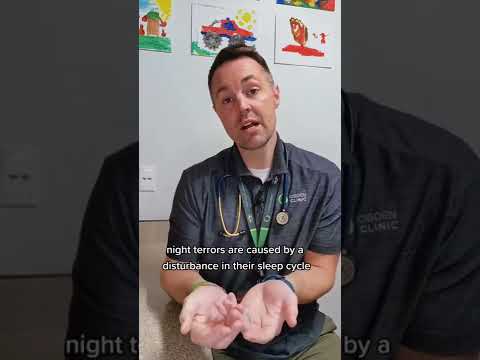
So, picture this: it’s 2 a.m., and your little one is suddenly screaming like they’re in a horror movie. Yikes, right? That’s a night terror for you. Seriously, those things can be so scary—not just for the baby but for you too.
I mean, it’s tough to see your eight-month-old so upset and not know how to help. You’re exhausted, probably sleep-deprived, and just wanting to comfort them but feeling helpless.
Night terrors are more common than you think, and they can be baffling! Don’t worry; we’ll break it down together. So let’s chat about what’s going on and how you can cope with these spooky nighttime episodes. You got this!
Natural Remedies to Overcome Night Terrors: A Comprehensive Guide
Night terrors in infants, especially those around eight months old, can be super stressful for both the little one and the parents. It’s not just a case of bad dreams; it’s like your baby suddenly freaks out in the middle of sleep. They might scream or cry intensely, but they usually don’t remember a thing when they wake up. So what can you do about it? Let’s look at some natural remedies that might help.
Creating a Calm Sleep Environment
First off, think about your baby’s sleep space. A peaceful setting can actually work wonders. This means making sure the room is dark and cool, but also cozy. You could use blackout curtains to block out any outside light and maybe even a white noise machine to drown out any sudden sounds that might startle them.
Establishing a Routine
Next up is routine! Babies thrive on consistency, you know? Try to stick to a consistent bedtime routine. This could be giving them a warm bath followed by some quiet time with a story or lullabies before sleep. Getting into a habit helps signal to their little brains that it’s time to wind down.
Managing Stress
Now, here’s where it gets interesting: babies pick up on stress from their caregivers. If you’re feeling anxious or stressed out yourself, your baby might sense that energy during bedtime. Take some deep breaths! Seriously, calm yourself before bed so you can project that chill vibe onto them.
Herbal Teas
If you’re looking for something more herbal, chamomile tea is quite commonly known for its calming properties. It’s not safe for babies to drink directly though! But you can make chamomile tea for yourself and have some alone time right before bed while holding them (just ensure no bits ever reach the baby).
Aromatherapy
Another natural remedy is aromatherapy with essential oils like lavender or chamomile as well—just make sure they’re baby-safe options! A tiny dab on their pajamas or using an oil diffuser in the room could create a soothing atmosphere that promotes relaxation.
Paced Feeding Before Bedtime
Some parents find it helpful to ensure their baby is fully fed before bed—a satisfied tummy helps with smoother sleep! But don’t overdo it; small amounts are key here.
Sleep Associations
Lastly, think about what your baby learns about sleep—kind of like building nice associations with bedtime. If they associate going to sleep with comfort and safety (instead of fear), they’re less likely to get scared during night terrors.
In short, night terrors might seem scary (for both babies and parents), but there are natural ways to help soothe those restless nights. Just remember: consistency is crucial! You’ll want to give these methods some time and see how your baby responds since every child is different in their needs and reactions. And if things don’t improve? Maybe chatting with your pediatrician could shed some light on what’s going on next!
Understanding Night Terrors in 12-Month-Old Babies: Causes, Symptoms, and Solutions
Night terrors in little ones, like your 12-month-old baby, can be pretty scary for both you and them. Imagine waking up to your child screaming and thrashing in their crib—seriously, it can feel pretty overwhelming. So, let’s break down what these night terrors are all about.
What are Night Terrors?
Night terrors are different from nightmares. While nightmares usually happen during REM sleep (the dreaming phase), night terrors occur during deep non-REM sleep. Your baby might suddenly sit up, scream, or even seem confused without actually being awake. It’s like they’re stuck between sleeping and waking up!
Causes
So, what causes these night terrors? Well, there’s no single reason; it can be a mix of things, including:
It’s important to understand that no matter the trigger, night terrors aren’t dangerous, but they sure feel that way when you’re on the outside looking in.
Symptoms
How do you know if what your baby is experiencing is a night terror? Here are some common signs:
One time, I remember this one mom sharing how her 11-month-old screamed at the top of his lungs during a night terror while she was trying to rock him back to sleep. It scared her half to death! She realized later he had no memory of it the next day.
Coping Strategies
Ok, so how do you deal with this? Here are a few ideas:
Sometimes parents find keeping a regular sleep schedule really helps too. Predictability tends to soothe those little ones!
To wrap things up (not that I’m finishing), if these night terrors persist or get worse—and they seriously freak you out—it could be wise to chat with your pediatrician. Remember—while they’re unsettling for both parent and child, they’re typically not harmful and often fade away as your baby grows older!
Understanding Night Terrors in 9-Month-Old Babies: Causes, Symptoms, and Solutions
Night terrors can be quite the experience for both babies and parents. If you have a 9-month-old, it’s natural to wonder what’s going on when your little one wakes up screaming or looking super distressed. So, let’s break this down simply.
What Are Night Terrors?
Night terrors are like really intense nightmares that happen during deep sleep. They usually occur within the first few hours after your baby falls asleep. Unlike typical nightmares, babies often don’t remember them later. It can be a bit scary since they might scream, cry, or even thrash around in bed.
Why Do They Happen?
The causes of night terrors aren’t totally clear, but several factors might contribute:
- Genetics: If you or someone in your family had night terrors as a child, there’s a chance your baby might too.
- Sleep Deprivation: Tired babies are more prone to these episodes. If they aren’t getting enough sleep overall or their schedule’s been thrown off, it could trigger something.
- Stress: Changes in routine or environment—like moving to a new house or starting daycare—can upset their little worlds and lead to night terrors.
Symptoms You’ll Notice
When your baby is having a night terror, here are some signs to look out for:
- Screaming: They might suddenly start screaming like they’re in distress.
- Panic Actions: You could see them flailing their arms or kicking around.
- Darting Eyes: Their eyes may be wide open but appear glazed over—like they’re not really seeing you!
It can be tough watching your baby go through this. I remember my friend saying how her son would wake up screaming and she just felt helpless—like nothing she did calmed him down.
Coping Strategies
So what can you do when these night terrors hit? Here are some ideas:
- Create a Calm Sleep Environment: Make sure the room is dark and quiet. A comfortable sleeping space helps with better rest overall.
- Keep a Regular Sleep Schedule: Try putting your baby down at the same time every night. Consistency is key!
- Avoid Stimulation Before Bedtime: Soothing activities before sleep can help set the mood—think reading softly or gentle rocking.
It’s also helpful to just stay calm yourself. During an episode, it’s best not to try waking them up—it usually doesn’t work and may just make things worse.
If Things Don’t Get Better
If night terrors persist or seem particularly intense, it might be worth chatting with your pediatrician about it. Sometimes other underlying sleep disorders could be involved.
Having an infant who experiences night terrors can be tough emotionally for everyone involved. But knowing that it’s common among little ones might ease some of that worry! Just hang in there—you got this!
Night terrors in infants can be pretty unsettling. You know, they’re like these sudden awakenings that can leave both the baby and you feeling shaken. I remember when my friend’s little one hit that eight-month mark – it was supposed to be a time of giggles and baby coos, but instead, they faced this weird, scary nighttime stuff.
So picture this: the baby would just wake up screaming and thrashing around, eyes wide but not really awake. It’s like they were trapped between sleep and being awake, totally freaked out. My friend was worried sick, thinking something was really wrong. But honestly? Night terrors are just part of some kids’ sleep patterns.
At eight months, babies are going through so many changes—cognitive leaps, all those new skills they’re trying to master during the day. And sometimes their little brains are just processing too much at once when they sleep. It can be concerning for parents who don’t know what’s happening or why their sweet pea is suddenly acting like a tiny tornado at 2 AM.
If you find yourself in this situation, it’s important to stay calm. Seriously, your reaction can affect your baby’s sense of safety. They don’t need you panicking; that’d just add fuel to the fire! Sometimes simply soothing them back to sleep works wonders rather than trying to wake them up.
Also? Creating a bedtime routine can help quite a bit. A consistent routine signals to both you and your babe that it’s time to wind down. Think cozy baths or lullabies—whatever feels right for you two.
But hey, if these night terrors become super frequent or if you’re really worried about your baby’s well-being, having a chat with their pediatrician could ease your mind.
Coping with night terrors is definitely tricky—not just for the little ones but also for us as parents or caregivers! Just remember that this phase often passes with time. As wild as it seems now, it’ll likely become just another sleepy story down the road!