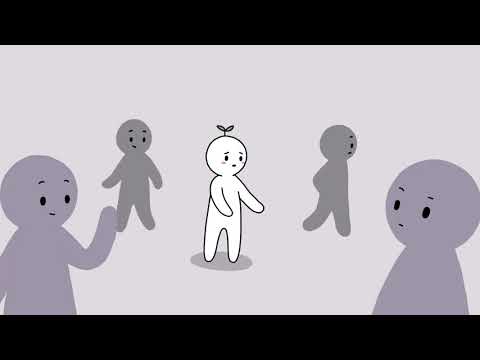
So, let’s talk about Borderline Personality Disorder. You’ve probably heard a bit about it, right? It gets thrown around a lot in conversations and pop culture. But honestly, it’s pretty complex.
One minute, a person with BPD might seem like they’re on top of the world. The next minute? Well, it’s like they’re on an emotional rollercoaster. I mean, that’s just the nature of it.
It can be super tough for both the person experiencing it and those around them. Not to mention, there are some common traits that pop up again and again.
If you’re curious about what those traits are and how they affect people’s lives, stick around. We’re gonna unpack this together!
Understanding the 9 Key Diagnostic Traits of Borderline Personality Disorder (BPD)
Borderline Personality Disorder, or BPD, is a mental health condition that can really mess with how someone thinks, feels, and interacts with others. It’s tough to navigate life with this disorder. Seriously. Here’s a breakdown of the nine key diagnostic traits that help define BPD.
1. Fear of Abandonment: People with BPD often have this intense fear of being abandoned or left alone. It can lead to frantic efforts to keep people close. You might find yourself going overboard with texts or calls when you think someone is pulling away.
2. Unstable Relationships: Relationships can be a rollercoaster ride for individuals with BPD. One minute, they may idealize someone, thinking they’re perfect; the next, they could devalue them and see them as all bad. It’s that classic “all-or-nothing” thinking.
3. Unclear Self-Image: Another trait is having a distorted self-image or feeling like your identity shifts around a lot—like putting on different masks depending on who you’re around. You might not always know what you want from life or who you really are.
4. Impulsivity: This includes risky behaviors—think spending sprees, unsafe sex, or substance abuse. It’s like being driven by an inner whirlwind that makes it hard to pause and think things through.
5. Self-Harmful Behavior: Many people with BPD engage in self-harming activities or have suicidal thoughts. If you’ve ever felt overwhelmed by emotions and didn’t know how to cope, you might understand where this comes from.
6. Emotional Instability: Emotionally speaking, everything can feel really intense for those with BPD: from extreme happiness to deep sadness within moments—even hours sometimes! It’s like riding waves that don’t stop crashing.
7. Chronic Feelings of Emptiness: People often say they feel empty inside, like there’s just this void they can’t fill no matter what they do—or who they’re with! It can be isolating and lonely.
8. Intense Anger: This anger isn’t just about losing your cool but feeling an overwhelming sense of rage that seems disproportionate to the situation at hand—a tiny issue turning into an emotional volcano.
9. Paranoia or Dissociation: In stressful situations, some may feel paranoid about what others think or even experience dissociation (feeling disconnected from themselves). Imagine watching your life unfold while feeling like it isn’t real; it’s tough!
These traits don’t define someone completely; they’re just part of the picture when it comes to understanding BPD better! If you’ve experienced any of these traits yourself or in someone else, it could help explain why things feel so complicated sometimes—and why seeking support can be super valuable!
Understanding Borderline Personality Disorder: Key Traits and Insights
Borderline Personality Disorder (BPD) is a complex mental health condition that can feel like a rollercoaster of emotions. With this, you might deal with intense feelings and unstable relationships. It’s not just about having mood swings; it’s a whole lot deeper than that.
First off, let’s look at some key traits that people with BPD often experience:
- Emotional Instability: Your feelings can shift rapidly. One moment you’re on top of the world, and the next, you’re feeling hopeless.
- Fear of Abandonment: You might feel terrified that people are going to leave you. This fear can lead to frantic efforts to avoid real or imagined separation.
- Unstable Relationships: You might find that your relationships swing from love to hate in no time. One minute someone is perfect, and the next, they’re a total disappointment.
- Difficulties with Self-Image: It’s common for people with BPD to struggle with how they see themselves. You might feel good about yourself one day and then have a crisis of identity the next.
- Impulsivity: Sometimes you might act without thinking. This could mean spending sprees or risky behaviors just for a rush.
- Self-Harming Behaviors: Unfortunately, some individuals may engage in self-harm as a way to cope with emotional pain.
- Chronic Feelings of Emptiness: There can be this nagging feeling of emptiness that’s hard to shake off. It’s like searching for something but not knowing what.
- Difficulties Controlling Anger: Anger can come on strong and be tough to manage. You might find yourself exploding over small issues.
- Panic Episodes or Paranoia: Sometimes during stress, you may feel paranoid or detached from reality, adding another layer of confusion.
Understanding these traits helps paint a clearer picture of BPD.
Now, let me share something personal here—my friend Mark struggled with BPD for years before he got help. For him, those intense emotions felt like being caught in a storm—one minute he was riding high on joy when someone invited him out, but if they canceled? That was it; it was like he hit rock bottom again.
The thing is, living with BPD isn’t just challenging for the person affected; it affects everyone around them too! Friends and family can struggle to keep up with those emotional highs and lows.
If you or someone close to you feels this way sometimes, know that seeking help really makes a difference! Therapy options like Dialectical Behavior Therapy (DBT) are designed especially for folks dealing with BPD’s ups and downs.
In summary? Borderline Personality Disorder isn’t just about feeling sad or angry; it’s an intricate mix of emotional experiences that can be tough to navigate if you’re alone in it. But hey—understanding these traits moves us one step closer toward empathy and healing!
Understanding the 9 Common Symptoms of Borderline Personality Disorder in Women
Alright, let’s talk about Borderline Personality Disorder (BPD) in women. This condition can be quite complex, and it shows up in various ways. Here are nine common symptoms that you might come across.
1. Intense Emotions
Ladies with BPD often experience emotions that feel like they’re on a rollercoaster. One minute they’re super happy, and the next, they could be deeply sad or angry. It’s like emotional whiplash—you know?
2. Fear of Abandonment
There’s this overwhelming fear of being left behind or abandoned. Even a little sign from someone might trigger that anxiety. For example, if a friend cancels plans last minute, it might feel like the end of the world to them.
3. Unstable Relationships
Relationships can swing from really intense love to hatred in no time at all. One day they might idolize someone; the next, they’re convinced that person doesn’t care at all. It’s exhausting for everyone involved.
4. Identity Disturbance
Women with BPD often struggle with their sense of self. They may change their goals or values depending on who they’re around or how they’re feeling at the moment. It’s sort of like chameleons changing colors—trying to fit in but losing themselves in the process.
5. Impulsivity
Impulsive behaviors are pretty common too! This could mean spending sprees, risky sex, substance abuse—stuff that can lead them into trouble without much thought about consequences.
6. Self-Harm
Sadly, self-harming behaviors might also occur as a way to cope with overwhelming feelings or stressors. This isn’t just about seeking attention; it’s often a deep cry for help or relief from pain that feels unbearable.
7. Chronic Feelings of Emptiness
Many women report feeling empty inside—a deep void that seems impossible to fill no matter what they do or who they’re with. It’s tough because you can’t just fill that space with stuff or distractions easily.
8. Inappropriate Anger
Anger can come out in ways that seem disproportionate to the situation at hand—like losing your cool over something small while feeling hurt and angry overall about life’s bigger issues.
9. Paranoia or Dissociation
In times of stress, some women may feel paranoid or detached from reality—as if they’re outside themselves looking in on their lives like a movie instead of living it firsthand.
Understanding these symptoms is so key to offering support and compassion if you know someone dealing with BPD—or even recognizing it within yourself can be such an eye-opener! Remember, though, each experience is unique and not everyone will tick all these boxes exactly as described here—it varies widely between individuals!
Borderline Personality Disorder (BPD) can feel like a complex puzzle, where emotions, relationships, and self-image are all tangled up in an intense way. It’s hard to really grasp unless you’ve seen it firsthand or experienced it yourself. Picture a friend who swings from the highest highs to the lowest lows in a matter of moments—it can be chaotic and heart-wrenching.
So, let’s chat about some of those traits that often pop up with BPD. First off, there’s that fear of abandonment. You know how sometimes just the thought of someone not being around anymore sends your heart racing? For folks with BPD, that feeling is magnified. Imagine waiting for a text back from someone and spiraling into anxiety if it takes longer than expected. It’s exhausting, right?
Then there are those intense emotions that seem to come out of nowhere. One moment you’re happy; the next minute you’re crying because you feel unloved or misunderstood. It’s like riding an emotional rollercoaster with no end in sight.
And speaking of relationships—oh boy! Relationships can be super passionate but often volatile too. It can swing from idolization to devaluation so quickly; one little disagreement might feel catastrophic. You’ve probably seen friendships or romances where one person feels on top of the world one day and then crushed the next.
Self-image can take quite a hit as well. People with BPD might struggle to understand who they truly are, which leads to feeling empty inside sometimes. This emptiness can pull them in different directions as they try on various identities, looking for something that fits.
Impulsivity is another big thing—think about making rash decisions without considering consequences, like splurging on something expensive or engaging in risky behavior just to escape those overwhelming feelings.
Then there’s anger. And not just any kind; it’s often extreme and difficult to control. Ever had a moment where you felt that bubbling rage rise up? For someone with BPD, it may seem like this anger is always right under the surface—ready to explode at any time.
And let’s not forget about dissociation—the feeling of being disconnected or unreal during stressful times can be pretty disorienting too. You could be having a normal day and suddenly find yourself feeling lost in your own head like you’re watching your life play out through a foggy window; that’s got to be terrifying!
It’s important to remember that understanding these traits isn’t about labeling people but rather about having compassion for their experiences and struggles. No two people will experience BPD in exactly the same way; there’s so much variation.
I once had a close friend who faced these challenges daily. There were beautiful moments filled with laughter but also times when they felt completely alone—even when surrounded by friends. Those ups and downs made me realize how crucial it is for us all to cultivate patience and empathy when dealing with mental health issues like BPD.
Recognizing these traits helps us understand what someone might be going through—a glimpse into their world instead of judging from afar. And honestly? That could make all the difference in their journey toward healing and self-acceptance.