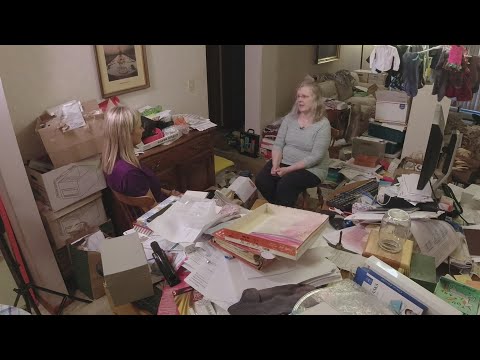
You know, hoarding is one of those things that can really throw you for a loop. It’s not just about stuff piling up in a corner. There’s so much more going on under the surface.
Like, ever been in a messy room and felt that weight pressing down on you? That’s just a tiny glimpse into the emotional chaos some people face.
It might seem puzzling from the outside. But those who struggle with hoarding aren’t just lazy or disorganized. They’re often wrestling with feelings that are hard to even put into words.
So let’s talk about the emotional side of hoarding behavior and dig deeper, shall we? You’ll see that this isn’t just about clutter; it’s about real lives and real feelings.
Understanding the Emotional Challenges of Hoarding: Insights into Mental Health
Hoarding can be a complicated emotional maze. It’s not just about having too much stuff; it’s a real struggle that affects people’s minds and hearts. Let’s break down what happens emotionally with hoarding.
Emotional Attachment to Items
Many people who hoard develop intense emotional connections to their belongings. It’s like each item tells a story or holds a memory. You might think of an old toy from childhood or a piece of furniture inherited from family. Let’s say you have this worn-out chair your grandma used to sit in. You can’t bear the thought of getting rid of it because, in your mind, it keeps her spirit alive. This attachment makes clearing out things seem almost impossible.
Fear of Loss
Another big emotional challenge is the fear of losing valuable items or future opportunities. Some folks believe that if they toss something out, they might need it later or end up regretting the decision. Imagine holding onto every single grocery bag just in case one day you’ll need it for something special—it’s exhausting! This fear can create overwhelming anxiety when faced with decluttering.
Shame and Guilt
It’s common for those who hoard to feel deep shame about their situation. They often worry others will judge them for their messy homes or clutter-filled lives. You know someone may look at you funny if they see all your stuff piled up? So, rather than asking for help, many people retreat into isolation, which only worsens their emotional state.
Perfectionism and Control
Many who hoard struggle with perfectionism and wanting control over their environment. They believe that keeping everything organized, even if it means holding onto items they don’t need, gives them some semblance of stability in their lives. Like if everything is perfectly stored away—then maybe life feels less chaotic? But this can spiral into feeling overwhelmed by the sheer volume of possessions.
The Impact on Relationships
Hoarding can strain relationships too—friends and family often feel helpless and frustrated when trying to support someone dealing with this behavior. Imagine wanting to host a party at home but feeling embarrassed because there isn’t room to move around because of all the stuff! This can lead to misunderstandings and even resentment among loved ones.
Feeling Stuck
Many people who hoard describe feeling stuck in patterns they can’t break free from; it’s like being trapped in a cycle without end. The more items accumulate, the harder it becomes to let go—making even small steps toward change seem daunting or impossible.
Understanding these emotional challenges is essential for addressing hoarding behavior effectively. By recognizing and validating these feelings rather than dismissing them as mere clutter issues, folks can start on the path toward healing—one step at a time—and learning healthier ways to cope with their emotions and possessions alike!
Understanding the Trauma Behind Hoarding: Exploring Psychological Roots and Healing
Trauma and hoarding—it’s a connection that might not jump out at you at first. But if you think about it, there’s often more going on beneath the surface when someone struggles with hoarding behavior. So let’s break this down.
One key thing to understand is how trauma can play a big role in the development of hoarding. Trauma can come in many forms: losing a loved one, experiencing abuse, or even going through major life changes like divorce or job loss. These moments can leave deep emotional scars. For some, hoarding becomes a way to cope with that pain. Instead of dealing directly with their feelings, they cling to items as if they give them safety or comfort.
Emotional attachment is another big piece of the puzzle. When someone has been through rough experiences, they may find it hard to let go of things—like how a child holds onto a favorite stuffed animal for security. Items can symbolize memories or feelings that are too difficult to face head-on. You know what I mean? It’s like holding onto everything because you think it helps you feel less alone.
In addition to that emotional attachment, there’s often a sense of control. Life can be chaotic after trauma; things might feel unpredictable and overwhelming. By gathering and keeping items, some folks find a way to impose their own order in their environment—a tiny area where they have power over what stays and what goes.
And let’s be real here: Shame and guilt often tag along with hoarding behavior too. People might feel embarrassed about their living conditions but struggle to change them due to these complex emotions tied up in the act of hoarding. They often fear judgment from others which only adds more stress.
So how do we start healing? Therapy is usually one of the best ways forward. A therapist might use cognitive-behavioral therapy (CBT), which helps individuals reframe their thoughts about possessions and emotions linked with them. This process might involve gradually facing discomfort: letting go of items while learning healthier coping mechanisms for those underlying feelings.
Support groups can also make a difference! Talking with others who get it can ease feelings of isolation and shame—you realize you’re not alone in this struggle.
In summary, understanding hoarding means digging deeper into emotional experiences tied to trauma. It takes time and patience—healing isn’t always linear—but recognizing these roots is an important step on the path toward change.
Alright? It’s complex but remember: there’s hope for healing beyond the clutter!
Understanding Hoarding: What Happens to Most Hoarders and Their Journey Towards Healing
Hoarding, man, it’s a tough nut to crack. Basically, it’s when someone collects stuff they don’t really need, and that stuff ends up taking over their space and their life. It’s not just about being messy; it comes from deep emotional struggles. So let’s break it down.
First off, hoarding isn’t just a habit—it’s considered a mental health condition. Seriously. The thing is, people who hoard often find it super hard to let go of their belongings because they attach emotional value to them. It can be anything from old newspapers to broken furniture. Those items can represent memories or missed opportunities, and that’s where the emotional struggle kicks in.
But what happens to most hoarders? Well, many face serious consequences in their daily lives. Relationships can suffer when family or friends don’t understand why someone can’t seem to declutter. You might even experience isolation when your space gets so chaotic that you feel embarrassed to let anyone inside. You follow me?
And let’s talk about the living conditions—when your home becomes overwhelmed with stuff, it can lead to safety hazards like fire risks or blocked exits. Not cool! But here’s the kicker: many hoarders are well aware of their situation and feel awful about it but struggle with making changes.
The journey towards healing is often long and winding; there’s no quick fix here. A key part of recovery involves therapy—specifically cognitive-behavioral therapy (CBT). This approach helps individuals challenge those thoughts that keep them holding onto things they don’t need.
- For example, when facing an item like an old toy from childhood, a therapist might ask what memories are tied to that toy.
- This exploration can help a hoarder realize that the memory lives on without needing physical objects crowding their home.
- Gradually learning to part with items helps build confidence in making tough decisions.
Support groups can also play a big role in healing. Being around others who «get it» makes such a difference! Sharing stories can lessen that sense of isolation and bring insight into different ways of coping.
Although the road is bumpy and filled with setbacks (and heck yeah, there will be setbacks), change is possible! For many folks dealing with hoarding tendencies—it’s about progress, not perfection.
So if you know someone struggling with this kind of stuff or if you’re facing these issues yourself—know that it’s okay to reach out for help! The journey may be hard but finding peace in your space is totally doable.
Hoarding can be a tough thing to wrap your head around. I mean, when you think about it, why would someone hold onto things that seem so obviously useless? It’s like walking through a maze of clutter where you can feel the weight of the past hanging over you. I remember this one time I helped a friend clean out their garage. You wouldn’t believe what we found stuffed in there—like boxes of old newspapers and even clothes from high school! It made me realize that there’s so much more going on under the surface.
You see, people who struggle with hoarding often have deep emotional ties to their possessions. For them, it’s not just about stuff; it’s about memories, connections, and sometimes even fears. Maybe they’ve lost someone dear to them or experienced some kind of trauma that makes them cling to the past as a way of coping. The physical objects become symbols, holding onto feelings they might not know how to express otherwise.
It’s also about control. When everything feels chaotic in life, hoarding can create an illusion of safety or order—even if it’s surrounded by piles of junk. The anxiety around letting go is real; it’s like facing a giant monster lurking in the shadows. And when someone tries to help or intervene, it can feel like an attack on their personal space and emotions.
You might think people who hoard are just being lazy or unorganized, but that’s totally missing the point. There’s often shame and guilt tangled up in their behavior too. Being judged can make them withdraw even more into isolation.
So when you see someone dealing with hoarding issues, try to look beyond the mess and see the person struggling inside—a glimpse into their story is usually way more complex than it seems at first glance. Understanding this emotional landscape can really open up conversations and avenues for healing—after all, everyone deserves to feel safe and understood.