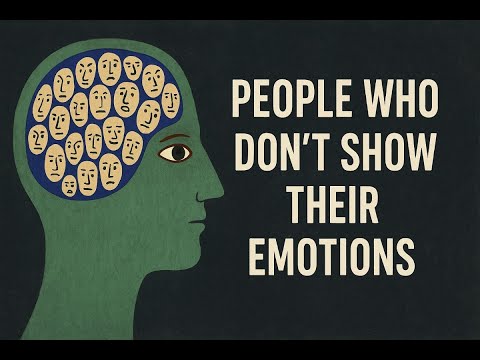
You ever feel like you’re just… floating through life? Like everything’s happening around you, but you’re not really feeling it? Yeah, I get that.
Emotional detachment is a real thing. It’s not just some buzzword; it can hit you when you least expect it. You might be going through the motions—laughing at jokes or nodding along in conversations—but inside? It’s like a big ol’ blank space.
Sometimes, it sneaks up on you after something tough happens. Other times, it builds slowly, like a fog rolling in on a summer day. And trust me, that numbness can be confusing.
So let’s chat about what emotional detachment really means, how it feels, and why we experience it. Because seriously, you’re not alone in this!
Exploring the Connection Between Numbness and Emotional Health: Understanding the Feelings Behind the Feeling
Emotional numbness can feel like walking through life wrapped in a thick fog. It’s not that you don’t feel anything at all, but more like the feelings you do have are dulled, muted. Imagine a moment when something should make you happy—like seeing an old friend—but instead of joy, there’s just… nothing. That’s where many people find themselves.
So, what’s behind this feeling of numbness? Well, it often ties back to emotional health. Emotional detachment can be your mind’s way of coping with stress, trauma, or overwhelming feelings. You know how when you touch something hot, your body instantly pulls away? Numbness is kind of like that but emotionally speaking. It’s a defense mechanism.
Common reasons for emotional numbness include:
- Trauma: Past experiences can create a protective barrier around your emotions.
- Anxiety and Depression: These conditions can interfere with how you process feelings.
- Overwhelm: Sometimes life hits hard and feeling everything at once becomes too much.
- Substance Use: Drugs or alcohol can dull emotional responses over time.
You might notice this feeling creeping in after a particularly tough time. Maybe you went through a breakup or lost someone close. Everything feels heavy, but instead of crying or being angry, you’re just blank. Friends might ask how you’re doing and all you can muster is “fine.” It’s confusing because you’re expected to feel something and yet… nothing comes.
But here’s the thing: feeling numb isn’t always a bad sign; it could indicate that your mind is trying to protect itself. Like when you’ve had enough pressure on a bruise; your body goes into defense mode. Still, if it lasts too long or keeps popping up in daily life, that’s where things get tricky. You may need to unpack those emotions with someone who can help.
Talking about it with a therapist is one way to get insight into what’s going on inside your head. They help peel back those layers of numbness and look at the raw emotions underneath—fear, anger, sadness—whatever they may be. Therapy isn’t about fixing you; it’s about helping you understand yourself better.
Many people find relief through practices like mindfulness or journaling as well—you know? Simple methods to reconnect with your feelings at your own pace without judgment.
So if you’re stuck in that fog of numbness right now, remember—it’s okay to ask for help or explore those deeper feelings lurking beneath the surface. You’re not alone on this journey!
Reconnecting with Yourself: Effective Strategies to Overcome Emotional Disconnection
Feeling emotionally disconnected can be tough, you know? It’s like walking around in a fog, where nothing really feels real or meaningful. You might not even notice it at first. One minute you’re enjoying life, and the next, everything seems dull and gray. You might feel numb or detached from your feelings or the people around you. This state—often called emotional detachment—can really mess with your day-to-day life and relationships.
A lot of things can lead to this disconnect. Stress, trauma, depression, or even just getting caught up in everyday routines can result in feeling emotionally distant from yourself and others. So how do you start to reconnect? Here are some effective strategies that might help:
- Practice mindfulness: This means being present in the moment without judgment. Taking time to notice your thoughts and feelings as they come up can help ground you again.
- Journal your thoughts: Writing down what you’re feeling can help clarify those jumbled emotions swirling inside your head. It gives you a chance to sort things out on paper and see patterns.
- Reconnect with hobbies: Remember things that used to bring you joy? Whether it’s painting, gardening, or hitting the trails for a hike, engaging with activities you love helps rekindle your sense of self.
- Reach out to others: Don’t shy away from social connections! Sometimes just chatting with friends or family members can bring back warmth and remind you of who you are outside of your emotions.
- Set small goals: Achieving little things each day—even making your bed or cooking dinner—can create a sense of accomplishment that lifts your spirits.
You know what else helps? Talking about what you’re feeling. Seriously! Being open with someone about how you’re experiencing life allows for understanding and connection. It’s amazing how sharing burdens often lightens them. I remember this one time when my friend confided in me about their struggles with emotional detachment after a breakup; just letting it all out made them realize they weren’t as alone as they thought!
If these strategies don’t seem like enough on their own, consider seeking help from a professional therapist too; there’s no shame in wanting guidance through this process! A therapist can provide personalized techniques that fit your unique situation.
The journey back to oneself isn’t always smooth sailing—sometimes there will be ups and downs—but taking those initial steps is where healing begins. And remember: it’s totally okay not to have everything figured out right now!
The main thing is: distracting yourself from how you feel won’t solve the problem. So take those steps toward reconnection, embrace the rough patches along the way, and trust that you’re moving forward one day at a time.
Supporting a Friend: Helpful Things to Say to Someone Feeling Numb
Feeling numb can be a tough spot for anyone to be in. When your friend is going through this, it might feel like they’re just, well, floating through life without really connecting to anything. So, how do you support them? What should you say? Here are some ideas that might help.
First off, listen without judgment. Sometimes, your friend might just need someone to vent to. If they say they feel empty or disconnected, simply being there and letting them talk can go a long way. You don’t have to solve their problems or give advice unless they ask for it. Just nodding along and saying things like «I hear you» or «That sounds tough» shows that you care.
Encourage them gently. It’s tempting to say stuff like «just snap out of it,» but that’s not super helpful. Instead, try saying something like “I know you’re feeling off right now, but I believe things can get better.” This gives them a little hope without putting too much pressure on them.
Instead of “Are you okay?”, maybe try “How have you been feeling lately?” This invites them to share more about what’s going on in their head rather than giving a simple yes or no answer.
It’s totally okay for someone to feel numb. You could say something like, “I’ve felt that way sometimes too,” which helps them realize they’re not alone in this experience.
Your presence is powerful. Sometimes just hanging out together doing mundane stuff can be comforting. Invite them for a walk or even binge-watch a show together. The aim here isn’t necessarily deep conversation; it’s about sharing space and showing up for each other.
Send texts or drop by every now and then just to see how they’re doing. A simple “Hey, I was thinking about you” can mean the world when someone feels disconnected from everything.
And don’t forget about self-care—for both of you! Supporting someone who’s struggling can be emotionally taxing too. Make sure you’re taking care of yourself so you can be there for your friend.
In cases where feelings of numbness persist or worsen, suggest looking into talking with a professional who gets it—like a therapist—if they’re open to that idea. You might say “Have you thought about talking to someone? They could offer support in ways I can’t.”
Just remember: what matters most is showing love and being patient as your friend navigates through these murky waters. Being present and understanding goes further than any perfect advice ever could!
Emotional detachment can feel like being in a fog, you know? Everything around you might still be happening, but it’s like you’re watching it all from a distance. I remember this one time when a close friend went through a tough breakup. She was heartbroken, and while I was there trying to support her, I noticed she just didn’t seem to feel anything. Like, seriously—her eyes were dry, and she spoke about it like it was just another day. It was so strange to see someone in pain but not really… feeling the pain.
So, emotional detachment is kind of that weird state where you just feel numb or disconnected from your emotions. And this doesn’t mean you don’t care; it’s more like your mind’s way of protecting you from feeling overwhelmed. It’s as if your brain says, “Hey, this is too much for us! Let’s take a step back.” For people who’ve been through trauma or intense stress, that numbness might show up as an automatic response.
But here’s the thing: while it sounds like a good defense mechanism initially—like putting on emotional armor—it can really mess with your life in the long run. Imagine going through significant events—graduation, weddings, even losing someone—and feeling totally flat about them. It sucks the joy out of happy moments and can make sad moments feel even heavier because you’re stuck with that emptiness.
Sometimes people might not even realize they’re detached until someone points it out or they hit rock bottom. They’re just floating through life, unsure why they aren’t connecting with others or themselves anymore. They may find themselves isolated or struggling in relationships because emotions are such a huge part of how we bond with each other.
So what’s behind this? Factors can range from childhood experiences to mental health struggles like anxiety or depression—even things like chronic stress at work can push anyone towards that numbing state. A lot of times though, folks aren’t aware of these influences until they dig deeper.
If you’re feeling detached or noticing someone else who is struggling with their emotions (like my friend), reaching out for help is super important! Talking things over with a therapist can help unravel those pent-up feelings and find ways to reconnect with yourself—or maybe even rediscover what it feels like to truly live again! Emotional detachment may protect us for a little while but eventually confronting those feelings is what leads to healing and real connection—and let’s be real—we all want that warmth back in our lives sooner rather than later.