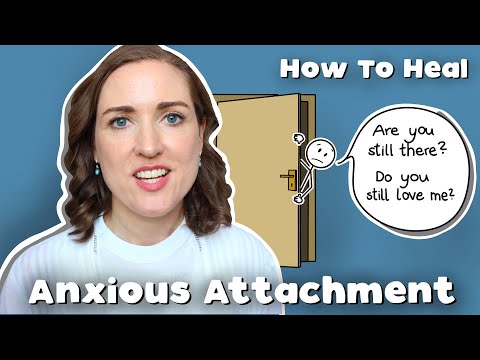
Okay, so let’s chat about something that can totally turn your world upside down: abandonment issues. You know? That feeling like if someone sneezes the wrong way, they might leave you for good.
It’s pretty wild how this stuff shapes our relationships. Like, ever feel super anxious when someone doesn’t text back right away? Yeah, that’s what I mean.
We all have our baggage, but figuring out that attachment style of yours can be a total game changer. Seriously, it can help you understand why you do certain things in love and friendship.
So let’s break it down together. We’ll look at what this whole abandonment attachment thing even is, how it messes with your head and heart, and maybe snag a few tools to help navigate the emotional maze. Sound good? Let’s go!
Understanding the Toughest Attachment Style to Overcome: Insights and Strategies
So, let’s chat about attachment styles. You’ve probably heard of them, right? There’s this one that’s especially tough to deal with: the abandonment attachment style. If you’re struggling with this, you’re not alone. Seriously, a lot of people find it super challenging.
The thing is, people with an abandonment attachment style often have a hard time trusting others and fear getting left behind. It can stem from childhood experiences where love felt conditional or safety wasn’t guaranteed. Imagine feeling like you always have to tiptoe around relationships, worried they might pull away at any moment. It makes things messy.
Why is it so hard to overcome? Well, this style can create a cycle of anxiety and clinginess, leading to all sorts of complications in relationships. You might find yourself constantly seeking reassurance while also pushing people away because you can’t stand the idea of getting hurt again. It’s like living in a tug-of-war of emotions.
- People often feel insecure in their relationships.
- You might go overboard trying to keep people close but fear they’ll leave anyway.
- If someone doesn’t text back immediately, your brain goes into overdrive!
There was this friend of mine—let’s call her Sarah. She had been through some really rough times growing up and felt abandoned by her parents when they divorced. As she got older, every time she dated someone new, she’d spiral into panic if they didn’t respond right away or seemed distant. It was heartbreaking to watch her suffer like that.
So what can you do? Here are some strategies that might help:
- Acknowledge your feelings: Recognizing your attachment style is the first step! Instead of pushing down those fears or anxieties, let yourself feel them without judgment.
- Practice open communication: Talk to your partner about what you need from them. This can make a world of difference! When you express your needs clearly, it helps build trust between you both.
- Cognitive Behavioral Therapy (CBT): This approach helps challenge negative thoughts that come from your fear of abandonment. A therapist can guide you through reframing those thoughts into something more positive and realistic.
- Create a support system: Lean on friends or family who understand what you’re going through. Having a solid support network can help soothe some of those worries while showing you that not everyone will bail on you!
The journey ain’t easy—it takes time and effort. But slowly handling those feelings can lead to healthier relationships where trust flourishes instead of falters.
Just remember: healing is possible! With self-awareness and gentle guidance from professionals or trusted loved ones, you can learn to navigate these feelings better than before!
Understanding the 5 Stages of Abandonment Trauma: Healing and Recovery Insights
Understanding Abandonment Trauma
Okay, so let’s talk about abandonment trauma. It’s that heavy feeling you get when someone important to you leaves or doesn’t show up in the way you need them to. It can really mess with your head and heart, affecting how you connect with others. If you’ve ever felt like you’re on shaky ground when it comes to relationships, you’re not alone. A lot of people deal with this kind of pain.
The 5 stages of abandonment trauma can help us understand what’s happening when we feel this way. They’re kind of like a roadmap for healing and recovery. Here’s a breakdown:
1. Shock and Denial
This is the part where everything feels unreal, right? You might find yourself thinking, “There’s no way this is happening.” It’s your mind’s way of protecting you from the sting of reality. For example, when Jake found out his partner was leaving him, he couldn’t believe it at first; he kept replaying their last fight in his head as if that would somehow change things.
2. Pain and Guilt
Once the shock wears off, oh boy, the pain hits hard! It feels like a huge weight on your chest. You start questioning everything: “Did I do something wrong?” or “Was I not enough?” This guilt can stick around for a long time because you keep blaming yourself for what happened.
3. Anger and Bargaining
Next up—anger! You might feel furious at your ex or even at yourself for letting things get out of hand. This anger can be directed outward or inward; sometimes it feels easier to channel it at someone else than face your own hurt. Then comes bargaining; you might find yourself thinking thoughts like “If only I could go back and change that one thing…” This is all part of trying to regain control over something that feels too messed up.
4. Depression and Loneliness
After that fiery stage comes the quieter one—the sadness sets in deep, sometimes even leading to feelings of isolation or depression. You know that empty feeling? Yeah, it sucks big time! It can make you feel as if no one understands what you’re going through—like being stuck in quicksand emotionally.
5. Acceptance
Finally, there comes acceptance—it doesn’t mean everything’s perfect now! It means you’re starting to come to terms with what happened while letting go bit by bit of those intense feelings weighing you down. At this stage, many people find hope again; it’s like feeling sunshine after a long winter.
So how do we navigate these stages? Healing takes time! Here are some ways to ease through them:
- Talk Therapy: Seriously, chatting with someone who gets it helps so much.
- Support Groups: Finding others who have been through similar stuff can make you feel less alone.
- Journaling: Writing out your thoughts can really clear your mind—like having a heart-to-heart with yourself!
- Mindfulness Practices: Techniques like meditation help calm the chaos inside.
- Pursuing Hobbies: Getting lost in activities brings joy back into life slowly but surely.
Remember Jake? After going through these stages and working on himself, he started finding moments of happiness again—he took up painting as an outlet for his emotions and learned how therapeutic art could be!
Look, healing from abandonment trauma isn’t easy—it takes effort and self-compassion along the way—but it’s totally possible! Recognizing where you’re at in those stages helps move forward into healthier relationships moving forward. You’ll get there; just stay patient with yourself!
Overcoming Abandonment Schema: Effective Strategies for Healing and Growth
Overcoming abandonment schema can feel like an uphill battle. It’s like carrying a weight that just won’t budge. You know that feeling, right? That persistent worry that people will leave you—friends, partners, even family? Well, understanding this schema is the first step to breaking free from its grip.
So, what exactly is an **abandonment schema**? It’s a pattern of thoughts and feelings rooted in early experiences of neglect or loss. This can lead to an **abandonment attachment style**. When you grow up with this kind of childhood experience, it can make trusting others really tough. The thing is, learning how to cope and heal is totally possible.
Here are some effective strategies for healing:
Healing isn’t linear though; it’s more like a winding road with ups and downs. Sometimes you’ll feel great; other times not so much! But every step counts.
I remember talking with a friend who struggled with this very issue. She’d get anxious whenever friends made plans without her—thinking they’d forget her altogether. Once she began acknowledging these fears and challenging her beliefs about friendships, things started shifting for her! She began reaching out more and found that many were eager to include her rather than leave her behind.
Another key point is developing **self-compassion** because it helps counteract feelings of worthlessness linked with abandonment schemas. Remind yourself that everyone has struggles—you’re not alone in this fight.
Ultimately, overcoming an abandonment schema means acknowledging your past while also working towards healthier relationships today. It takes time and practice, but hey—you’re absolutely worth the effort! Being aware of these patterns isn’t just about avoiding pain; it’s also about learning how to cultivate deeper connections with others and build a sense of security within yourself too!
So, let’s chat about abandonment attachment style, okay? It’s this thing that can really mess with how you connect with people. When you’ve been left behind or felt neglected in some way, it kind of sticks with you. You know? It shapes the way you deal with relationships, often making you super anxious or overly clingy.
I once had a friend named Sam who really struggled with this. He grew up in a pretty chaotic household, and his parents weren’t exactly hands-on. When he started dating in high school, he was just all over the place—afraid of being ditched at any moment. You could feel the tension when he was around his girl; he’d get jealous over little things and panic if she took too long to reply to a text. I mean, it was heartbreaking to watch someone so talented and fun feel trapped by their past like that.
The thing is, navigating life with this attachment style is tricky. You might find yourself constantly on guard, worrying about others leaving you or feeling unworthy of love altogether. It’s not that people choose to feel this way; rather it’s like an emotional filter that colors all your interactions.
But there’s hope! Seriously! A big part of dealing with this is recognizing those old patterns creeping back in when you’re least expecting them. Sometimes, just naming the feelings can make them a bit less scary. Therapy or chatting it out with friends can be game-changers too; understanding where these feelings come from helps soften their grip.
And hey, if you’re feeling those twinges of anxiety about relationships or find yourself avoiding connections out of fear—know you’re not alone in this struggle! It takes time and work to heal from past wounds but believe me; there is light at the end of the tunnel. You just have to be gentle with yourself along the way.
Truthfully? We all want connection and belonging but sometimes our experiences can turn that into a double-edged sword. Learning to trust again while staying true to yourself is no easy task but it’s totally worth striving for! And remember: every step forward counts—even if it feels small some days!