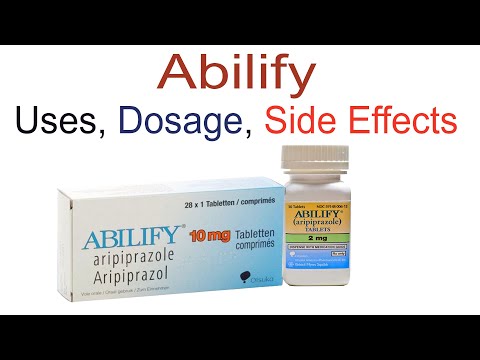
So, have you heard about Abilify MyCite? I mean, it’s kinda cool how tech is shaking things up in mental health these days.
It’s not just another pill. This one’s got a twist—like a secret agent for your brain, if you will!
Basically, it tracks if you’ve taken your medication. How neat is that? Imagine a little helper reminding you to stick to your treatment plan.
I know it sounds like sci-fi stuff, but this is real life! And let me tell you, it could change the game for so many people dealing with mental health challenges.
Curious yet? Stick around; there’s more to unpack here!
Understanding the Fate of Abilify MyCite: Insights into Its Journey and Impact on Mental Health
Abilify MyCite is a pretty interesting medication that made waves in the mental health field. So, what’s its deal? Well, it’s a version of Abilify (aripiprazole) that comes with a little twist: it has a digital tracking system. This system can tell whether you’ve taken your medication. Sounds cool, right? But let’s break down what this means for mental health management.
First off, taking medications like Abilify can be tricky for some people. You might forget doses or just decide not to take them because, well, life happens. But with Abilify MyCite, there’s an app that healthcare providers and family members can use to see if it’s been taken. It’s like having a personal medication buddy!
But here’s the thing—some folks are not thrilled about being tracked all the time. That feeling of being watched can be uncomfortable and could lead to some resistance about using it. Not everyone wants their privacy compromised. So while this tech provides accountability, it’s also raised eyebrows.
Now let’s talk about the impact on mental health. For people with conditions like schizophrenia or bipolar disorder, sticking to their meds is super important for stability. Studies have shown that incorporating technology like this could help improve adherence rates—meaning more people might consistently take their meds.
However, it hasn’t been all smooth sailing with Abilify MyCite since it hit the market in 2017. The fate of this drug has seen ups and downs related to acceptance among both doctors and patients. Some healthcare providers love the idea of having proof that a patient took their meds; others worry it’s not necessary or even useful.
Another thing? Insurance coverage has been shaky at best for Abilify MyCite. Just because it exists doesn’t mean everyone can afford it or get their hands on it easily. That’s rough because accessibility can really make or break the effectiveness of any treatment option.
Moreover, while this tech sounds promising in theory, there are still questions around how well it’s actually helping patients in real-world scenarios—and that is important! We need to know if these newfangled approaches work when life gets complicated.
So when we look at every angle of Abilify MyCite—from its tracking tech to its potential benefits and challenges—it becomes clear that our journey with mental health management is evolving but still has bumps along the way.The future? It’ll likely depend on how comfortable folks feel with tech in their recovery processes and whether insurance companies catch up with these innovations.
Understanding Abilify: Uses, Benefits, and Effects in Mental Health Treatment
Abilify, or aripiprazole if you wanna get all technical about it, is a medication that’s often used in treating various mental health conditions like schizophrenia, bipolar disorder, and even major depressive disorder when used alongside other medications. It belongs to a class called atypical antipsychotics. So what does that mean for you? Well, it primarily works by balancing the levels of certain chemicals in your brain—especially dopamine and serotonin, which are super important for mood regulation.
Now, let’s break down how Abilify can help.
Uses:
You’ll often see Abilify prescribed for:
- Schizophrenia: It can help manage symptoms like hallucinations and delusions.
- Bipolar Disorder: Especially useful during manic episodes to stabilize mood.
- Major Depressive Disorder: When paired with an antidepressant, it can boost the overall effectiveness of treatment.
Benefits:
A lot of folks find that Abilify can be effective without some of the nasty side effects that come with older antipsychotics, like significant weight gain or sedation. It sometimes even helps improve overall quality of life—not just by easing symptoms but also by allowing you to engage more in social activities and daily tasks.
But hey, it’s not just about benefits. Like any medication, there are effects you should keep an eye on.
Effects:
Some people experience side effects when taking Abilify. Here’s a quick rundown:
- Drowsiness or insomnia: Some feel sleepy while others struggle to fall asleep.
- Nausea: This isn’t uncommon either; it can be pretty uncomfortable at times.
- Anxiety or restlessness: Sometimes it can make you feel a bit on edge.
- Tardive dyskinesia: This is a rare but serious condition involving uncontrollable movements. It’s something healthcare providers monitor closely.
It’s also worth chatting about Abilify MyCite, which is basically a digital pill! Yep, it has a tiny sensor inside that sends data to your smartphone to track whether you’ve taken your dose. This innovation aims to improve adherence—meaning you’re more likely to take your medication regularly since life gets busy and we forget.
So what’s the takeaway? If you’re considering Abilify or already using it, having open conversations with your doctor is crucial. You want to weigh the benefits against potential side effects and see how it fits into your overall treatment plan.
Remember, everyone’s experience with medications varies widely. What works wonders for one person might not do much for another—or could even cause some issues! Always keep that line of communication open with your healthcare provider so they can make sure this option is right for you—and adjust things if needed.
In short? Abilify’s got its place in mental health treatment but knowing all sides helps you make the best decision for yourself.
Exploring the Latest Innovations in Mental Health: Breakthroughs Shaping the Future of Well-Being
Mental health is a big deal, right? It affects how we feel, think, and act in our daily lives. With all the advancements, there’s some cool stuff happening in this field! One of the latest innovations that’s getting some buzz is **Abilify MyCite**. It’s a unique medication system designed to help people manage their mental health better.
So, what exactly is Abilify MyCite? Well, it’s basically a version of the drug aripiprazole—used to treat conditions like schizophrenia and bipolar disorder—but with an extra twist. This medication comes with a tiny sensor embedded in the pill. When you take it, the sensor sends data to a wearable patch which then communicates with an app on your phone. Pretty neat, huh?
This tech aims to tackle one major issue in mental health: adherence to medication. Many folks struggle to remember if they’ve taken their meds or simply forget altogether. This can lead to setbacks in treatment and recovery.
With Abilify MyCite, you get notifications when you’ve taken your dose. It might sound simple, but this kind of reminder can really help keep people on track. Imagine being able to see your progress over time! The app tracks your adherence and can even alert someone close to you if you miss doses consistently.
But hold on—some people might have concerns about privacy or data security with this kind of technology. That’s totally understandable! It’s important for users to know how their information is handled and protected.
Besides this smart pill technology, there are other exciting innovations out there too:
- Teletherapy: Virtual therapy sessions have exploded in popularity recently. They offer flexible access for those who may not be able to visit a therapist in person.
- AI-driven chatbots: These can provide support anytime and anywhere by offering helpful resources or just someone to talk to when times get tough.
- Mental health apps: From meditation guides to mood trackers, these apps empower individuals by providing tools that promote emotional well-being.
I remember a friend of mine who had anxiety struggles for years. She finally tried teletherapy during the pandemic because she wanted someone who got it without leaving her house. It turned out so helpful; she felt way more comfortable opening up that way.
The thing is, each innovation has its strengths and weaknesses; what works for one person may not work for another. But overall, these breakthroughs are making mental health care more accessible and personalized than ever before.
So what does all this mean for the future? Well, we’re moving towards a world where mental health care feels more integrated into our everyday lives—making it easier for you (or anyone) to seek help when needed without feeling judged or overwhelmed.
So, let’s talk about Abilify MyCite for a second. This is something that’s been making waves in the mental health scene lately. It’s not your average medication; it’s an antipsychotic but comes with this cool twist—it’s got a digital chip inside the pill. Seriously! This chip sends data to a wearable patch and then to an app on your phone. It’s like the medicine is having a chat with you, telling you when you’ve taken it. How wild is that?
Now, I was talking to a friend of mine who struggles with schizophrenia. He told me how frustrating it can be sometimes to keep track of meds. You know how it goes—life gets busy, and before you know it, you forget if you took your pills or not. That added uncertainty can make things worse, messing with his peace of mind.
With Abilify MyCite, though, there’s this layer of accountability, right? Imagine knowing exactly when you’ve taken your meds without having to second-guess yourself each time. For my friend, that could be a real game changer in managing his symptoms and staying on track. And the best part? It could help doctors see how often patients are sticking to their treatment plans.
But like anything else, there are things to consider too. Not everyone may vibe with the idea of their medication being so… connected? Privacy concerns pop up here and there, like how much data is collected and who gets access to it.
There’s also the price tag; new tech often means higher costs which isn’t always friendly for folks without great insurance coverage. You know what I mean?
At the end of the day, innovations like Abilify MyCite show promise and excitement in managing mental health more effectively while giving people some control back over their treatment journey. But as we embrace these advancements, it’s important not to overlook other aspects like patient comfort and privacy concerns—it can’t just be one size fits all! So yeah—I kind of dig where they’re headed but hope they keep listening to real people along the way.