You know, mental health can be a bit of a rollercoaster, right? Some days are great, and others feel like you’re stuck in a loop.
Let’s talk about sertraline for a sec. It’s one of those meds that you might hear about but not really understand.
People often ask, “Can it really help?” Spoiler alert: yes, it can make a difference for many folks.
But how does it work? That’s where things get interesting.
So, sit tight as we dig into what sertraline does and how it can really enhance your mental health game!
Exploring the Long-Term Effectiveness of Sertraline: A Comprehensive Review
Sure! Let’s chat about sertraline and its long-term effectiveness. So, sertraline is an antidepressant that falls under the category of selective serotonin reuptake inhibitors (SSRIs). It’s commonly prescribed for conditions like depression, anxiety disorders, and sometimes PTSD. Over the years, many folks have turned to it for relief from their mental health struggles.
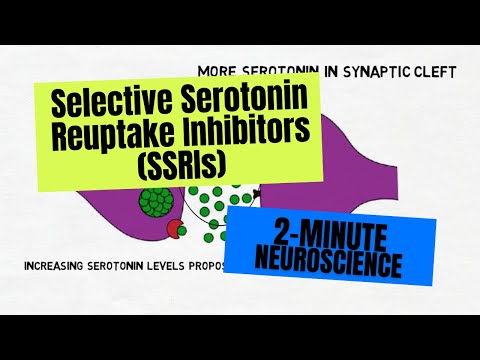
How does it work? Well, sertraline essentially increases the levels of serotonin in your brain. Think of serotonin as a mood booster or a happiness chemical. By keeping more of it available in your system, people often report feeling balanced and calmer.
Now, onto the long-term effectiveness part. Studies have shown that sertraline can be pretty effective over extended periods, but this varies from person to person. Some key points include:
- Symptom Relief: Many users experience significant decreases in symptoms of depression and anxiety over months to years.
- Tolerance: Some people worry about building tolerance (where the medication stops working as well). While this can happen with some medications, many find that sertraline maintains its effectiveness.
- Side Effects: Long-term use can come with side effects like weight gain or sexual dysfunction. It’s crucial to have regular check-ins with your doctor to manage these.
- Withdrawal Symptoms: If you’re thinking about stopping sertraline, it’s important to taper off slowly under medical supervision because withdrawal can be tough.
Let me tell you a little story here—there’s this friend of mine who struggled with crippling anxiety for years. She felt trapped and couldn’t enjoy life like she wanted to. After starting sertraline, she gradually found her footing again. It wasn’t all sunshine and rainbows; she had some side effects initially which were annoying—but after adjusting her dosage with her doc’s help, things started looking up! Fast forward a few years later, she’s still on it but feels like she’s got her life back on track.
But there are also limitations. Not everyone will respond positively to sertraline or SSRIs in general. Sometimes therapy works better alongside meds for others or even instead of them altogether.
So is it effective? For a lot of people—yes! But everyone’s journey is unique. The conversation around mental health treatment is super important; if you’re considering starting or stopping any medication like sertraline, make sure you chat with a healthcare professional who knows your situation well.
At the end of the day, what matters is finding what works best for you because mental health is not one-size-fits-all! Stay strong; you’re not alone in navigating this stuff!
Understanding the Effectiveness of Sertraline for Treating Depression: A Comprehensive Guide
Sertraline is one of those medications that gets talked about a lot when it comes to treating depression. It’s part of a class called selective serotonin reuptake inhibitors (SSRIs). So, what does that mean? Basically, these meds help boost serotonin levels in your brain. That’s a chemical that plays a big role in mood regulation.
So, how effective is sertraline, really? Well, studies have shown it can help many people feel better. Around 50-60% of folks with major depressive disorder (MDD) see some improvement after taking it for a while. It’s not magic though; finding the right dosage can take some time.
Here are some things to keep in mind:
- Gradual Improvement: Many people notice changes after a few weeks, but it can take up to 12 weeks for full effects.
- Side Effects: Common ones include nausea, insomnia, or sexual dysfunction. These can be annoying but often lessen over time.
- Individual Response: Everyone’s different! What works for one person might not work for you. Sometimes it takes trying different treatments before finding the right fit.
You know when you feel like you’re stuck in a fog? I had this friend who felt like they were dragging through life—everything was gray and dull. After starting sertraline, they described it as if the sun slowly started breaking through the clouds. That shift was gradual but powerful.
Another thing to think about is how this medication interacts with therapy. Lots of people find that combining medication with therapy works wonders. Like, sertraline can stabilize your mood enough so you can actually focus during therapy sessions and tackle those deeper issues.
Long-term Use:
Some folks worry about staying on meds long-term. It’s crucial to talk about this with your doctor because abruptly stopping sertraline isn’t usually recommended—it can lead to withdrawal symptoms or a relapse in depression.
Also worth noting: It doesn’t work as an instant fix. You can’t take one pill and expect everything to change overnight. You’ll probably have ups and downs along the way.
In terms of effectiveness on enhancing mental health outcomes overall, researchers point out that treating depression effectively can lead to improvements in many areas of life—relationships, work performance, and personal happiness.
While sertraline might not be for everyone or solve all problems by itself, it’s definitely an option that’s been beneficial for many. If you’re considering this medication or already taking it, don’t hesitate to reach out to your healthcare provider for guidance tailored specifically for you.
So yeah, understanding what sertraline does and how it might fit into your journey is super important!
Understanding Sertraline: Its Effectiveness in Treating Anxiety Disorders
Sertraline is a medication that falls into a class called selective serotonin reuptake inhibitors (SSRIs). Basically, it helps boost the levels of serotonin, a neurotransmitter, in your brain. You know how sometimes you feel «off» or anxious? Well, that’s often tied to serotonin levels. So sertraline aims to lift your mood and reduce anxiety.
When it comes to **treating anxiety disorders**, sertraline has been pretty effective. It’s commonly prescribed for generalized anxiety disorder (GAD), social anxiety disorder, panic disorder, and even obsessive-compulsive disorder (OCD). For example, if someone struggles with constant worrying or feels super anxious in social situations, taking sertraline could help ease those feelings over time.
But how does it work? Well, when you take this medication, it increases the amount of serotonin available in your brain. This can lead to an improvement in mood and a reduction in anxiety symptoms. People often notice changes within a few weeks of starting treatment; however, it may take up to 12 weeks for maximum benefits.
There are some common side effects that come along with sertraline. You might feel some nausea, fatigue, or even changes in sleep patterns. But most people find that these side effects lessen after a few weeks. Still, it’s super important to stick with your doctor if you’re trying out this med so they can help manage any uncomfortable feelings.
Another thing to consider is dosage. The **starting dose** for adults typically hovers around 50 mg per day. Your healthcare provider might adjust this based on how you respond—sometimes they’ll gradually increase it if needed. That’s part of finding the right balance tailored just for you.
So what about effectiveness? Research shows that SSRIs like sertraline can significantly improve symptoms for many individuals dealing with anxiety disorders. In clinical trials, around 60-70% of people reported feeling better after using these meds compared to those who took placebos—those are sugar pills with no active ingredients.
But here’s another thing: medication isn’t a magic solution on its own! That means combining sertraline with therapy options like cognitive-behavioral therapy (CBT) can really enhance mental health outcomes. Think about it—therapy helps you learn coping strategies while the med manages chemical imbalances.
Sometimes people worry about withdrawal symptoms when stopping medications like sertraline; however, tapering off under a doctor’s guidance usually minimizes this risk. It’s all about giving yourself the best chance at feeling better without unnecessary struggles as you transition off meds.
In short, sertraline can play a significant role in managing anxiety disorders by balancing serotonin levels and improving overall mental health—just remember it’s part of a bigger picture! Keeping the conversation open with your healthcare provider will always be helpful too as you navigate through treatment options together.
You know, mental health can be such a tricky thing to navigate. It’s like this winding path, full of ups and downs, and sometimes you just need a little help along the way. Sertraline is one of those medications that people often talk about when discussing ways to boost mental health. I mean, it’s definitely not a one-size-fits-all solution, but it has helped many people find their footing again.
I remember a friend of mine who struggled with anxiety for years. She’d tried therapy—which was awesome—but there were moments when her thoughts felt like they were racing out of control. Then her doctor suggested they try sertraline. At first, she was skeptical. Who wouldn’t be? The idea of popping pills to feel normal can be daunting. But after some time adjusting to it, she noticed a shift; things started to feel less overwhelming.
Sertraline is part of the selective serotonin reuptake inhibitors (SSRIs) family, which basically means it works by increasing levels of serotonin in the brain—a chemical that helps regulate mood among other things. It’s not magic or anything; it won’t solve all your problems overnight. But like my friend’s experience showed me, it can create a bit more space in your mind for clarity and calmness.
But here’s the thing: it’s not just about taking meds and hoping for the best. Many folks find that combining sertraline with therapy or lifestyle changes really amps up its effectiveness. You know? Like making time for self-care or finding healthy outlets for stress can make a world of difference too.
Most importantly, everyone’s journey with mental health is unique—what works wonders for one person might not do much for another. So if you’re considering something like sertraline, talking to a trusted healthcare professional is key; you want to make sure it fits into your personal story in the right way.
At the end of the day, mental health is complex and layered, but sertraline has been a helpful tool for many in their journeys toward feeling better—like giving them that extra push they needed when everything felt heavy.