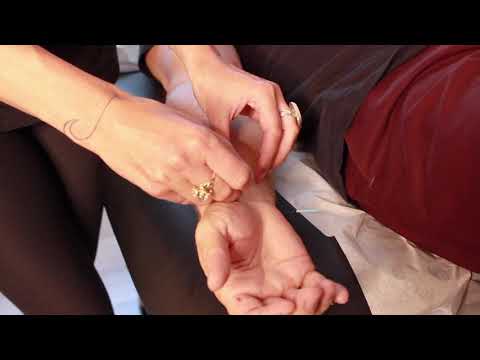
So, let’s talk about anxiety for a sec. You know that feeling when your heart races, and your mind’s doing backflips? Super exhausting, right?
Well, what if I told you there’s this ancient practice that could help chill things out a bit? Yep, I’m talking about acupuncture. You might think it’s just poking needles in people, but there’s way more to it than that!
I mean, it sounds a bit odd at first. But trust me, some folks swear by it for anxiety relief. Seriously! Imagine feeling a little lighter and more at peace. Sounds nice, huh?
So let’s dig into how acupuncture works its magic on anxiety symptoms. You might find something surprising waiting for you!
Exploring the Connection: How Acupuncture Alleviates Anxiety and Promotes Mental Well-Being
Acupuncture, which is basically a traditional Chinese medicine practice, has gained quite a bit of attention for its potential role in helping with anxiety. Now, you might be thinking, how can sticking needles in me actually help? Well, it turns out there’s some interesting stuff going on here.
The main idea behind acupuncture is that it helps balance your qi (pronounced «chee»), which is this energy flow in your body. When you’re feeling anxious or stressed, that flow might get all jammed up or messed up. So when acupuncturists insert little needles into specific points on your body, they’re trying to get that energy flowing again. You follow me?
Now let’s dive into why acupuncture might help with anxiety:
- Chemical Changes: Acupuncture can trigger the release of endorphins and serotonin—those “feel good” hormones. This can lead to better mood and less anxiety.
- Relaxation Response: The process itself helps you relax. Laying still for a bit while someone gently pokes you can be soothing in its own right. It’s like taking a break from the chaos.
- Mindfulness Component: Many people find that acupuncture pushes them to focus on the present moment. It’s like a little meditation session where you’re concentrating on your breathing and letting go of worries.
- Improved Sleep: Anxiety often messes with sleep patterns. Acupuncture may improve how well you sleep, reducing overall stress and anxiety levels during the day.
I remember my friend Sam dealing with some serious anxiety before his big presentation at work. He tried acupuncture as a last-minute effort. After just a couple of sessions, he felt noticeably calmer and more centered—way less jittery than usual! He even said it was kind of nice just lying there and taking some time for himself without distractions.
If you’re considering acupuncture for anxiety, it’s important to talk to someone who knows their stuff—a licensed acupuncturist or even your healthcare provider—to see if it’s right for you. They can help tailor the treatment to what you’re feeling specifically.
The key takeaway here is that while acupuncture isn’t a miracle cure for everyone, it seems to offer a lot of potential benefits for managing anxiety symptoms by promoting relaxation and overall mental well-being. So hey, if you’re curious about trying something different to tackle those anxious feelings, maybe give acupuncture a shot! Just remember—it’s all about what works best for you.
Exploring the Benefits of Acupuncture for Anxiety and Depression Relief
Acupuncture is one of those therapies that might sound a bit out there, you know? It involves inserting tiny needles into your skin at specific points. But hear me out—it’s been getting some attention for its potential to help with anxiety and depression. Let’s break it down.
First off, you might be wondering how a bunch of needles can actually help with your mental health. The idea is that acupuncture can stimulate the body’s own natural healing processes. It works to balance the flow of energy, or “qi” (pronounced like «chee»). When this flow gets blocked or out of whack, it can lead to issues like anxiety and depression.
Now, what’s happening here on a biological level? Well, acupuncture might boost the production of neurotransmitters like serotonin and dopamine. These are the feel-good chemicals in your brain. So when you’re feeling low or anxious, acupuncture could help lift your mood by getting those happy vibes flowing again.
Many people report feeling more relaxed after just one session. There was this one friend of mine who struggled with anxiety for years. After trying acupuncture, she said it felt like a huge weight was lifted off her shoulders. She realized it didn’t solve everything but gave her enough relief to tackle her other challenges better.
You might also be curious about studies on this topic. Research has shown that acupuncture may reduce symptoms of anxiety disorders and depression in some individuals. For example:
- Studies suggest that regular sessions can lead to improved mood and emotional regulation.
- Some people find they need fewer medications for their anxiety after starting acupuncture.
- Research indicates it may enhance the effects of other treatments alongside therapy or medication.
Of course, every person is different, right? What works wonders for one person might not have the same effect on another. That’s why it’s always good to check in with a healthcare provider before starting any new treatment plan.
So yeah, while acupuncture isn’t a panacea, it could be an effective tool in your mental health toolkit—especially if you’re looking for something complementary to traditional therapy options. Just keep an open mind and see what works best for you!
Exploring the Best Acupuncture Points for Alleviating Anxiety Symptoms
Acupuncture’s growing popularity has made it a go-to for many looking to manage anxiety. It’s about using tiny needles in specific spots on your body to help with all sorts of issues, including anxiety.
So, what are these acupuncture points that can help ease those anxious vibes? Let’s break it down.
- Yintang: Often called the “third eye point,” it’s located between your eyebrows. This spot is known for promoting calmness and clarity. Seriously, just a light touch here can help ease racing thoughts.
- Shenmen: Found on your ear, this one is amazing for reducing stress and improving sleep. Picture yourself feeling all cozy and relaxed after a session—it’s that kind of deal.
- Heart 7 (Shen Zhu): Located at the wrist on the side where your pinky finger is, this point helps calm the mind. People often report feeling lighter after treating this area.
- Pericardium 6 (Neiguan): On the inner forearm about three finger widths from your wrist joint, this point is said to alleviate heart palpitations and feelings of panic. If you ever feel like you can’t breathe during a stressful moment, this one could be a lifesaver.
- Spleen 6 (Sanyinjiao): Found a bit above the ankle on the leg’s inner side, this point connects with both emotional balance and digestive health. Anxiety often messes with our stomachs too; so addressing both really helps.
These points are like little reset buttons on your body. You know that feeling when you’re just overwhelmed? Sometimes pressing pause—figuratively speaking—on your anxiety can work wonders.
When I first tried acupuncture, it was because I felt weighed down by everything around me—work stress, family stuff, you name it. After just one session targeting some of these points—I left feeling like I could finally breathe again! It’s pretty powerful how something so simple can shift your mood.
Acupuncture works by stimulating these points to encourage energy flow or “Qi” (pronounced «chee»), which in turn helps restore balance within us. When you’re juggling anxiety and all its symptoms, finding harmony becomes crucial.
If you ever find yourself spiraling into anxious thoughts or physical tension, considering acupuncture as a tool might just give you some relief. Just remember not everyone has the same experience; it might take time to find what works best for you personally.
In short: Acupuncture won’t magically make anxiety disappear overnight; however, these key points might make that journey a little smoother for you along the way!
You know, acupuncture has been around for, like, thousands of years. It’s kinda wild how this ancient practice is still relevant today, especially when it comes to anxiety. I mean, we live in such a fast-paced world—sometimes it feels like our brains are running a marathon and we can’t catch up.
I remember a friend of mine who always seemed super anxious about everything. Seriously, she’d get nervous just thinking about meeting new people. It was tough to see her struggle like that. She decided to try acupuncture on the recommendation of her therapist. At first, she was a bit skeptical—who wouldn’t be? Needles? But after just a few sessions, she noticed something surprising: her anxiety felt more manageable. It’s like those tiny needles were helping her find a little bit of calm amidst the chaos.
So what’s going on with acupuncture and anxiety? Well, the basic idea is that it can help balance your body’s energy flow (or «qi,» pronounced «chee»). When you’re anxious, your energy might be all over the place—think of it like an electrical circuit going haywire. By inserting needles into certain points in your body, practitioners aim to put everything back on track. Some research suggests this can lead to reduced levels of cortisol—the stress hormone—and boost serotonin levels too.
And here’s the thing: it’s not just about those needles; it’s also about creating space for relaxation. People often leave their sessions feeling lighter or even sleepy! I think there’s something therapeutic about taking time for yourself in a cozy setting where you’re encouraged to unwind.
But let’s keep it real too—acupuncture isn’t some magical cure-all. Some folks might not feel much difference at all or may need a combo of treatments to really tackle their anxiety. That said, many people find it adds another layer to their mental health toolkit.
So if you’re feeling overwhelmed by anxiety and looking for something different, why not give acupuncture a shot? You might just find that those little needles become your unexpected allies in the battle against anxiety!