You know that feeling when everything just hits you at once? Like, one minute you’re chillin’, and the next, your heart’s racing and your mind’s on overdrive. That’s what acute stress disorder can feel like.
It often sneaks in after something really intense or traumatic happens. It can mess with your head—making you feel anxious, jumpy, or even disconnected from reality. You’re not alone if you’ve felt this way. Seriously.
Now, here’s the kicker: figuring out if someone has acute stress disorder isn’t always straightforward. That’s where psychological scales come in handy. They help break things down into bite-sized pieces.
So, let’s talk about what these scales are and how they can really make a difference for people dealing with all that emotional chaos. Sound good?
Downloadable Acute Stress Disorder Scale PDF: Assessing Your Mental Health
When you’re feeling overwhelmed after a stressful event, it can be tough to make sense of what’s happening inside your head. That’s where something like the Acute Stress Disorder Scale comes in handy. Basically, it’s a tool that helps assess how you’re doing mentally after experiencing trauma. You know, sometimes it’s hard to see things clearly when you’re right in the thick of it.
Acute Stress Disorder (ASD) can pop up right after you’ve gone through something really traumatic—think accidents, assaults, or any shocking experience. It can manifest in various ways, like intrusive memories, mood swings, or trouble sleeping. That’s where assessing your symptoms becomes super important.
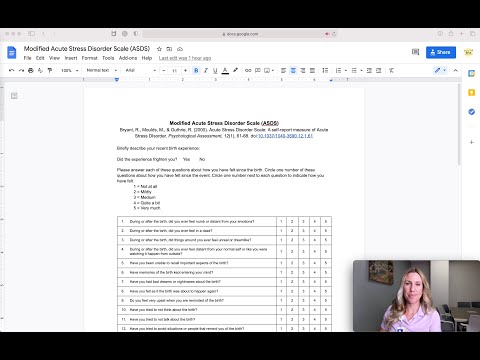
So, the Acute Stress Disorder Scale is a kind of questionnaire. It can help identify symptoms based on your feelings and experiences within the first month after a traumatic event. This scale usually consists of questions that tap into different aspects of ASD. You might want to check out a downloadable PDF version if you want something tangible to work with.
Let’s break down how this scale works:
- Self-Report Format: You answer questions based on how much you’ve been affected by certain symptoms. It sort of encourages self-reflection.
- Symptom Categories: The questions are usually grouped into categories—like emotional responses (e.g., anxiety) and physical reactions (like insomnia).
- Scoring System: Each question has a score assigned to it that helps determine severity levels.
- Time Frame Consideration: It’s designed for the immediate aftermath—unlike PTSD assessments which look at longer-term impacts.
You might be thinking about using this scale yourself or suggesting it for someone else who seems to be struggling post-trauma. Honestly, I remember when my friend went through something pretty rough; she was all over the place emotionally. After she took an assessment similar to this one, it helped her realize how deeply the experience had impacted her state of mind.
That said, keep in mind that while these scales are useful tools for self-assessment and reflection, they don’t replace professional help. If scores show significant distress or if symptoms are hanging around longer than expected? That’s where talking to a mental health professional could make all the difference.
In summary: downloading and using an Acute Stress Disorder Scale PDF could be a great first step in figuring out where you’re at mentally after trauma. Just remember—it’s only part of the picture!
Understanding the Acute Stress Disorder Scale (ASDS 12 PDF): A Comprehensive Guide to Assessment and Recovery
Acute Stress Disorder, or ASD, can hit hard after a traumatic experience. You might feel lost, anxious, or disconnected from your surroundings. This is where the Acute Stress Disorder Scale (ASDS) comes into play. It’s basically a tool to help clinicians figure out how much stress you’re dealing with.
So, what is the ASDS 12? Well, it’s a quick assessment that looks at your reactions to trauma. It usually covers symptoms like intrusive memories, heightened arousal, and dissociation—those feelings of distancing yourself from reality. It’s important because getting help fast can make a difference in how you recover.
When you first take this scale, it usually has around 12 questions. Each question targets specific feelings or thoughts related to trauma. You rate how often you’ve experienced these symptoms since the event, using responses like “not at all” or “most of the time.” Easy enough, right?
The scale helps mental health professionals identify if you’re currently struggling with ASD. But it doesn’t just stop there; it also serves as a guide for recovery strategies. By understanding your specific symptoms deep down, therapists can tailor their approach. Let’s say you scored high on feelings of anxiety—then they might focus on relaxation techniques to help ease those nerves.
Now let’s talk about recovery! This is where things get really personal and unique for everyone involved. Depending on the results from the ASDS 12, someone might benefit from therapy approaches like cognitive-behavioral therapy (CBT). This type of therapy helps you reframe negative thought patterns which can be super helpful when you’re feeling overwhelmed.
Sometimes people have success with mindfulness approaches too! Imagine taking a moment just to breathe and ground yourself when everything feels chaotic—that’s mindfulness in action!
One thing to keep in mind is that not everyone who experiences trauma will develop Acute Stress Disorder. Some folks might bounce back quickly after an event without any lasting effects. But for those who do find themselves struggling months later? That early assessment can make all the difference in recovery.
The ASDS really becomes valuable here because early treatment often leads to better outcomes overall! The earlier you understand what you’re going through and get support from professionals, the smoother your path toward healing can be.
In summary: The Acute Stress Disorder Scale is a helpful measure for assessing trauma-related symptoms and guiding recovery pathways. Remember though—each person’s journey through mental health is different; no two experiences are alike!
Download the Stanford Acute Stress Reaction Questionnaire PDF: A Comprehensive Guide to Understanding Acute Stress Responses
The Stanford Acute Stress Reaction Questionnaire (ASRQ) is, basically, a tool used to gauge how someone is coping after a traumatic event. If you’ve just gone through something intense—like a car accident or the sudden loss of a loved one—this questionnaire helps you reflect on your emotional and physical responses. It’s handy for mental health professionals to evaluate acute stress reactions.
Let’s break down what you might find in the ASRQ. It’s designed to assess things like anxiety, dissociation, and even physical symptoms in the aftermath of trauma. You’ll end up reflecting on:
- Emotional Reactions: Feelings of sadness or overwhelming fear can pop up right after a stressful event.
- Cognitive Reactions: You might find yourself having trouble concentrating or forgetting important details.
- Physical Symptoms: Sometimes, people experience headaches or stomachaches without anything physically wrong.
So, this questionnaire isn’t just about checking boxes; it’s about understanding what you’re going through. This is crucial because acute stress responses can sometimes spiral into more serious conditions like Acute Stress Disorder (ASD) if not addressed.
Now, when filling out the ASRQ, honesty is key. It may feel weird to put down how you’re feeling but remember: it’s meant to help you! It gives both you and your therapist valuable insight into what’s happening with your mental state so that appropriate support can be provided.
Once completed, the results can guide therapy options or other interventions. So if you’re experiencing distress after a trauma and are considering using this questionnaire or discussing it with a professional, don’t hesitate! It’s all part of taking charge of your mental health.
In summary, the Stanford Acute Stress Reaction Questionnaire is more than just an assessment tool; it’s a first step toward healing within that whirlwind of emotions following trauma. Your journey matters!
Acute Stress Disorder, or ASD, it’s one of those things that can hit you outta nowhere, right? One minute you’re handling life, and the next, boom! An overwhelming wave of stress crashes over you thanks to a traumatic event. Evaluating it can get pretty tricky, especially since everyone reacts differently. You know how sometimes a single moment sticks with you—like when I vividly recall a friend’s car accident. The entire experience left me shaken up for weeks. It’s wild how the mind works.
So here’s the thing: psychological scales are often used to assess clarity in all this chaos. Tools like the Acute Stress Disorder Scale (ASDS) help professionals measure specific symptoms and the impact they have on daily life. They might ask about feelings of detachment or flashbacks that keep creeping in when you’re just trying to chill at home. It’s kind of like having a mental checklist that says, “Hey, let’s figure out what’s going on here.”
These scales can feel kinda clinical; they’re like the report cards for your emotional state. But they can also guide someone towards getting help if that’s needed. Let’s be real—sometimes folks don’t even realize just how deeply an event has affected them until they start answering those questions. It can be eye-opening, honestly.
But look—there’s no one-size-fits-all solution here. Some people might score high on these scales but still manage their day-to-day lives pretty well. Others might not tick all the boxes but are really struggling underneath it all. That makes treatment decisions messy because everyone carries their own baggage differently.
You know what? At its core, understanding and evaluating ASD through these psychological tools is about compassion and helping people find their way back to stability after something shattering happens in life. It’s not just numbers; it’s people dealing with some heavy stuff—and recognizing that is so important in guiding healing journeys down the road.