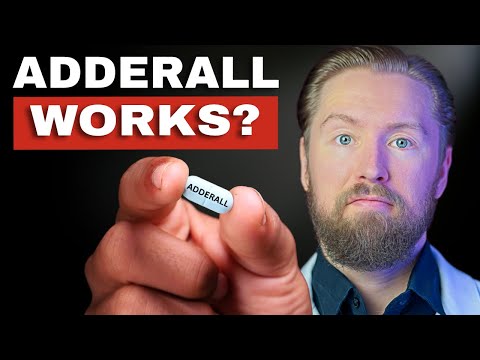
Hey! So, let’s chat about something that’s been buzzing around lately—Adderall. You know, that little pill people often talk about?
It’s not just for studying all night or cramming for exams. Seriously, it plays a big role in mental health and psychological well-being.
But here’s the thing: there’s more to it than just popping a pill. It’s about understanding how it can help—or sometimes not help—people with ADHD and other conditions.
You ever seen someone transform after starting medication? It can be wild. But then again, every story is different, right?
Let’s dig into what Adderall really does and how it fits into the bigger picture of mental health. Sound good?
Exploring the Benefits of Adderall: Enhancing Focus and Mental Clarity
Adderall is a medication that combines two stimulant drugs, amphetamine and dextroamphetamine. It’s primarily used to treat Attention Deficit Hyperactivity Disorder (ADHD) but can also play a role in enhancing focus and mental clarity for some people. So let’s break down how it works and what benefits it might offer.
Improving Focus
For folks with ADHD, maintaining focus can be tough. You know that feeling when your mind is racing with a million thoughts? That’s often what it feels like for someone with ADHD. Adderall helps by increasing the levels of certain neurotransmitters in the brain—mainly dopamine and norepinephrine—which can improve attention and concentration. Imagine being able to tune out distractions like background noise or those annoying notifications on your phone! Sounds nice, right?
Enhancing Mental Clarity
Mental clarity is all about having a sharp, clear mind, free from the fog that often clouds our thinking. With Adderall, users have reported experiencing better organization of thoughts and enhanced cognitive abilities. It’s like getting that perfect cup of coffee but with more reliable results. An example could be someone studying for an exam who finds they’re able to absorb information more efficiently because their brain is firing on all cylinders.
Boosting Motivation
Another benefit is increased motivation. People often struggle to start tasks, especially if they seem overwhelming or uninteresting. With Adderall, it can feel easier to tackle these chores head-on. You might find yourself checking off tasks on your to-do list way faster than usual—almost like you’ve got a turbo mode activated!
Potential Downsides
It is crucial to remember that using Adderall isn’t without risks or downsides. For some people, potential side effects may include insomnia, anxiety, or even an increase in heart rate. So while it might enhance focus for one person, another could experience jitters or restlessness instead.
Individual Differences
Not everyone will experience the same benefits from Adderall; individual responses vary widely based on personal health history and other factors. It’s so important to work closely with a healthcare professional when considering this medication.
In summary, Adderall can indeed help improve focus and mental clarity for those who need it, particularly individuals dealing with ADHD. But just like any tool—it’s essential to use it wisely! Always think about the pros and cons before jumping in—you know?
Exploring the Impact of Adderall on Emotional Regulation: Benefits and Considerations
So, let’s chat about Adderall and how it messes around with emotional regulation. You might already know that Adderall is used to treat ADHD, but its effects go way beyond just focusing on tasks. They can really tinker with your emotions, too.
Emotional Regulation basically refers to how we manage our feelings. It’s like having a volume knob for your emotions—sometimes you gotta turn it up, and other times, you need to dial it down. For folks with ADHD, this can be tricky. They might feel emotions more intensely or struggle to control them, which can be super overwhelming.
Now, when people take Adderall, they often notice some shifts in their emotional landscape. For one thing, it helps improve focus and concentration. So if you’re racing thoughts are constantly distracting you during an emotional situation? Well, Adderall might help clear some of that clutter.
But here’s the thing: while Adderall can enhance focus and make emotional responses more manageable for some people, it doesn’t work the same for everyone. Depending on the dose and individual differences, it could lead to feeling either more balanced or even a little flat. Like this one friend of mine who thought he’d feel calmer but ended up feeling kind of numb instead.
There are definitely some benefits to consider:
- Improved Focus: When your brain isn’t racing all over the place, managing emotions becomes easier.
- Better Decision Making: Clearer thinking can help you respond rather than react—you know?
- Increased Motivation: That drive might encourage you to engage socially instead of avoiding others due to anxiety.
But it’s not all sunshine and rainbows. There are also considerations that come into play:
- Potential Emotional Numbness: Some users find themselves feeling less emotionally connected.
- Anxiety or Overstimulation: For certain folks, it might ramp up anxiety levels instead of calming them down.
- Risk of Dependence: Regular use could lead some people down a path where they rely on it more than they should.
So yeah—Adderall can be a mixed bag when it comes to emotional regulation. It does have the potential to make things easier for some people in terms of focus and emotional stability but can also create complications depending on how your body reacts to it.
In short—if you’re considering using Adderall or you’ve been prescribed it but are curious about its effects on your mood or feelings, talking things out with your doctor is crucial. Every experience is unique! Balancing benefits against potential emotional drawbacks is key here; understanding yourself is half the battle won!
Exploring the Effects of Adderall on Individuals Without ADHD: Insights and Implications
Adderall is a medication commonly prescribed to treat Attention Deficit Hyperactivity Disorder (ADHD). It’s a mix of amphetamine salts, and it works by increasing levels of certain neurotransmitters in the brain, helping people focus better. But what about folks who don’t have ADHD? Well, that’s where things get interesting.
When individuals without ADHD take Adderall, they might experience some pretty intense effects. First off, it can lead to heightened focus and energy. You know that feeling when you’ve had too much coffee? It’s kind of like that but amplified. Some people report feeling invincible, like they can tackle anything on their to-do list.
But here’s the kicker: while it might help with productivity in the short term, there are some serious implications. Adderall can cause anxiety and even paranoia in some users. Imagine cramming for exams or racing against deadlines—sure, you might get things done, but if your heart is pounding and your mind is racing in overdrive, is it really worth it?
Let’s not forget about the potential for addiction. Adderall can be super addictive because it triggers dopamine release—basically making you feel good temporarily. For someone without ADHD chasing that high can lead to a cycle of overuse. Over time, tolerance builds up which means needing more of the drug just to feel «normal.»
Also, there might be **some serious health risks** involved here too! High blood pressure and heart problems are real concerns among regular users. If your body isn’t used to handling those amphetamines without the backdrop of ADHD symptoms to manage them properly, things could go south quickly.
And let’s chat about side effects. Whether or not someone has ADHD, Adderall can mess with sleep patterns and appetite. Imagine staying up all night trying to be productive only to crash hard later. That cycle can lead you into a dark place mentally because lack of sleep definitely doesn’t help your mental health.
Now, consider this scenario: Picture a college student who takes Adderall for an all-nighter before finals week without having ADHD—seems harmless enough at first! Yet once finals are done and the drug wears off? They might feel super low or even depressed after the high fades away.
In short, while Adderall might seem like a tempting boost for those without ADHD looking for an edge in school or work, it comes with a laundry list of potential downsides—both psychological and physical. Just remember that what works for one person isn’t always safe—or effective—for another!
Adderall really takes the spotlight when it comes to managing attention disorders. You know, it’s crazy how something like a little pill can change how someone interacts with the world. I remember chatting with a friend who had ADHD. He was always a bit all over the place—like, he could be super focused one minute and then just drift away into daydreams the next. Adderall helped him level up his game, allowing him to concentrate better in class and even enjoy things he used to find hard.
But here’s where it gets a bit sticky. While Adderall can help people with ADHD feel more «together,» it doesn’t come without some baggage. There’s this whole side of misuse and dependency that people don’t often talk about, especially among college students trying to cram for exams or just keep up with life. That pressure can make it tempting to use something that’s not prescribed to you just to get an edge.
And let’s not overlook how it affects mental health! For some folks, taking Adderall can lead to anxiety spikes or even mood swings. Imagine finally getting your focus back but then feeling jittery or on edge? That’s not so easy on your mental well-being. I guess it’s essential for anyone considering Adderall—or prescribed it—to keep an open dialogue with their healthcare provider about their experiences and feelings.
So yeah, Adderall plays this complicated role in the mental health landscape: a hero for some, but also a potential villain for others. It’s like riding a wave; balance is key if you want to avoid crashing down.