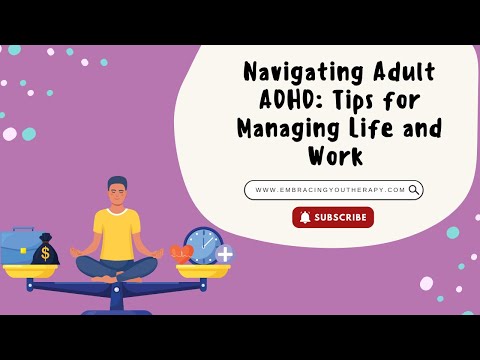
You ever feel like your brain’s running a marathon, but you forgot to tie your shoelaces?
Yeah, that’s what it can be like living with Adult ADD or ADHD.
It’s not just a kid thing, you know? A lot of adults deal with this too, and it can really throw a wrench in the works.
You might be asking yourself why you can’t focus on that work project or why distraction feels like your best buddy.
But don’t sweat it! There are ways to navigate through this maze.
Let’s chat about what ADD and ADHD look like in grown-up life and how you can find some balance without losing your mind.
Effective ADHD Strategies for Adults: Download Your Free PDF Guide
You know, dealing with ADHD as an adult can feel a bit like trying to juggle while riding a unicycle. It’s tough, but there are definitely ways to make it easier. First off, let’s break down what ADHD looks like for adults. You might struggle with focus, organization, and keeping your usual routines on track. But don’t sweat it; you’re not alone.
When it comes to **effective strategies**, here are some key ones that can really help out:
- Prioritize Tasks: Make a list of what you need to do, and rank those tasks by importance. It’s like giving yourself a roadmap for the day.
- Set Timers: Use a timer for different tasks. For example, work on something for 25 minutes before taking a short break. This technique is often called the Pomodoro Technique.
- Create Routines: Try sticking to a daily routine as much as possible. When things are predictable, it can help reduce anxiety and improve focus.
- Limit Distractions: This one might seem obvious, but turning off notifications on your phone or finding a quiet workspace can work wonders.
- Use Visual Cues: Stick reminders around your home or workspace! Sticky notes or color-coded calendars can be super helpful for keeping tasks in sight.
- Practice Mindfulness: Engaging in mindfulness or meditation can help improve attention and emotional regulation over time.
Now here’s the thing: none of this is one-size-fits-all. You’ve got to figure out what works best for you personally. Some people find structure comforting; others thrive on a bit of spontaneity.
I remember this one guy I met named Jake. He was juggling work and school and felt completely overwhelmed all the time. But then he started using an app that helped him break his tasks down into smaller pieces with reminders. Slowly but surely, he found his rhythm! It was amazing how just having that extra support made everything feel more manageable.
Another important strategy is talking about what you’re going through with friends or coworkers who get it—or even better, joining a support group specifically for adults with ADHD! Just being able to share experiences makes such a difference.
And finally, don’t forget there are professionals who specialize in helping adults manage ADHD too—from therapists who use cognitive-behavioral therapy (CBT) techniques to coaches who can help you build better organizational skills.
Remember: living with ADHD doesn’t define you! With the right strategies in place, you could turn what feels like chaos into something way more manageable—and possibly even spark some joy along the way!
Effective Strategies to Calm ADHD Symptoms in Adults
Sure! Let’s talk about some effective strategies to help calm ADHD symptoms in adults. Living with ADHD can sometimes feel like trying to juggle while riding a unicycle—super tricky, right? But the good news is there are ways to manage those symptoms, so you’re not constantly feeling overwhelmed.
**Understanding Your Symptoms**
Before jumping into strategies, it’s important to know how ADHD affects you personally. For some folks, it’s all about that racing mind or trouble focusing. Others might struggle with impulsivity or organizing tasks. **Recognizing your own patterns** can help tailor your approach to managing symptoms effectively.
**Establishing Routines**
Creating a daily routine is like giving your brain a map—it helps you know where you’re going. Having set times for work, meals, and relaxation can provide structure. You could start by **setting small goals**, like dedicating specific time blocks for tasks. A simple morning routine might include waking up at the same time each day, having breakfast, and then diving into work.
**Incorporating Breaks**
Look, if you sit down and try to focus for hours on end, it’s gonna be tough! That’s where **scheduled breaks come into play**. It’s not just about working hard; it’s about working smart too. Try the Pomodoro technique—work for 25 minutes and take a 5-minute break afterward. It keeps your mind fresh and alert.
**Mindfulness Practices**
So here’s something interesting: mindfulness can seriously help settle that racing mind of yours. Things like meditation or deep-breathing exercises are super effective at promoting focus and reducing stress. Just five minutes of focused breathing every day might make a world of difference. You might try apps or videos to guide you if you’re unsure where to start.
**Exercise Regularly**
Believe it or not, moving your body can actually clear mental fog! Regular physical activity boosts dopamine levels in the brain—this is a big deal for managing ADHD symptoms. Whether it’s jogging around the block or hitting up an online dance class at home, just find something that feels fun!
**Limit Distractions**
Now here comes a big one: distractions can be a huge problem when you have ADHD! Consider decluttering your workspace—less stuff equals less chaos in your mind. You might also find using noise-canceling headphones helpful if sounds easily sidetrack you.
**Using Technology Wisely**
Today’s tech offers tons of tools to keep you organized! Apps designed for task management can turn chaos into clarity. Set reminders on your phone for important deadlines; they can act as friendly nudges when life gets hectic.
**Getting Enough Sleep**
You know what they say: “A well-rested mind works wonders.” Seriously though—focus suffers when sleep gets neglected! Try creating a calming bedtime routine that signals it’s time to wind down—a warm bath or reading a book can help put your brain in ‘sleep mode.’
**Seeking Support When Needed**
Lastly but definitely not least—don’t hesitate to reach out for help if things get overwhelming! Whether it’s through therapy or support groups, connecting with others who get what you’re dealing with makes things easier. Working with professionals who understand ADHD helps create personalized strategies that fit your life better.
Ultimately, these strategies aren’t one-size-fits-all but finding what works best for you could take time—and that’s totally okay! Remember that managing ADHD is more about progress than perfection.Your journey matters.
Effective ADHD Coping Strategies for Adults: Tips for Managing Symptoms and Boosting Productivity
Managing ADHD as an adult can feel like trying to juggle while riding a unicycle on a tightrope, right? There’s just so much going on, and you’re constantly trying to keep your balance. But don’t sweat it! There are effective coping strategies that can help you make things easier and boost your productivity. Here’s the scoop:
Get Organized
It all starts with keeping things in order. Grab a planner or use an app—whatever feels good for you—to jot down tasks. Break big projects into smaller steps. Seriously! It makes everything seem less overwhelming, like taking baby steps instead of running a marathon.
Prioritize Tasks
You’ve got a ton on your plate, but not everything is equally important. Use a system like the Eisenhower Matrix (big words, I know!) to decide what needs doing first. It’s basically about sorting tasks by urgency and importance. Think about what’s due soonest or what’ll have the biggest impact.
Create Routines
Routines can be a real lifesaver. Set regular times for meals, work, and relaxation—like having breakfast at 8 AM every day. This helps create structure and makes it easier to get into the groove of things.
Take Breaks
Look, working nonstop is exhausting—trust me on that one! You need breaks to recharge your brain, especially if you’re tackling something challenging. Try the Pomodoro Technique: work for 25 minutes, then take a 5-minute break. Repeat until you’ve done four rounds, then take a longer break.
Limit Distractions
Easier said than done, huh? But seriously, try minimizing distractions in your workspace. Maybe use noise-canceling headphones or play some white noise if you find chatter distracting. Also, silence notifications on your phone during focus time; they can suck you right down the rabbit hole!
Mindfulness Practices
Meditation might sound fancy but it doesn’t have to be! Just spend a few minutes each day focusing on your breath or being aware of what’s around you—it really helps clear mental clutter.
Physical Activity
Exercise isn’t just for getting fit; it also boosts brainpower! Even taking short walks can help release those feel-good chemicals in your brain which make it easier to concentrate afterward.
Avoid Multitasking
It might feel productive at first glance but multitasking often leads to mistakes and frustration—like trying to watch TV while reading emails (not so effective!). Focus on one task at a time; you’ll find it quicker and easier this way.
Breathe & Reflect
Remember to check in with yourself throughout the day. How are you feeling? What’s working? What needs changing? Taking a moment to breathe deeply or reflect can help ground you when life gets hectic.
Putting these strategies into action won’t happen overnight—it takes practice like anything else—so be kind and patient with yourself as you figure out what works best for you! And hey, remember: You’re not alone in this journey; many adults navigate similar challenges every day!
You know, living with Adult ADD or ADHD can feel like trying to juggle flaming torches while riding a unicycle. It’s hectic, and honestly, sometimes it’s straight-up exhausting. I remember talking with my friend Mike, who’s got ADHD. He shared how he often feels like he’s in this constant race against his own brain—ideas bouncing around, distractions popping up everywhere. You feel me?
So, what is it about ADD and ADHD that makes adulting so tricky? Well, first off, focus. It can be like trying to find Waldo in one of those crazy books. Everything seems interesting all at once! This often makes it hard to stick with boring stuff like work emails or chores. And forget about reading long articles… unless you’re super interested; then you might just devour it!
For a lot of folks out there, the chaos translates into feeling overwhelmed or frustrated—especially when they compare themselves to others who seem to manage life without breaking a sweat. I mean, scrolling through social media can really amplify that feeling. One minute you’re all pumped up for a project at work; the next, you’re double-tapping your friend’s vacation pics from three years ago.
Then there’s organization—or lack thereof. For some people, keeping track of tasks and deadlines is a piece of cake; for others? It’s more like trying to herd cats! Lists help but they can end up stashed under piles of papers or lost in the abyss that is your phone’s notes app.
But here’s the thing: understanding what you’re dealing with is half the battle. Figuring out coping strategies that work for you can make a world of difference! Whether it’s using timers to stay on task (the Pomodoro technique—super popular), breaking big projects into smaller chunks or simply finding a quiet space where distractions are minimal.
And hey, therapy could really help too—talking things out with someone who gets it just makes everything feel more manageable. Cognitive Behavioral Therapy (CBT) has been shown to be effective for many folks dealing with ADHD because it equips them with tools to restructure chaotic thoughts.
Medication can be part of the picture too, just depending on individual needs and comfort levels. Some people find relief from their symptoms this way; others prefer not to go down that route and that’s totally fine!
At the end of the day, navigating adult ADD and ADHD isn’t about changing who you are but finding ways to embrace your unique perspective on life while keeping those torches in check. It’s about creating a balance—a rhythm—that works for you so everyday tasks don’t feel so daunting anymore.
So if you’re in this boat or know someone who is? Just remember: You’re not alone in this wild ride!