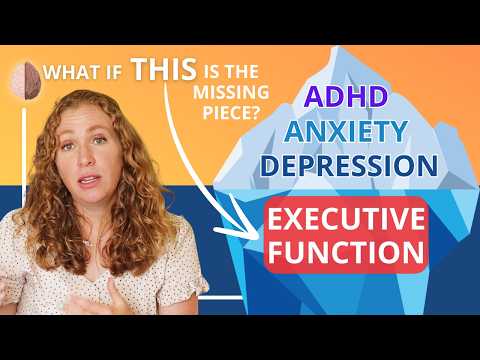
Hey! So, let’s chat about hyperactivity. It’s one of those things that can feel a bit overwhelming, right? Like, you might know someone who just can’t sit still. Or maybe that’s you.
You ever notice how hyperactivity isn’t just about being bouncy or fidgety? It actually messes with emotions and how we think, too. Seriously, it’s wild what our brains can do sometimes.
What I really want to dig into is how all this craziness affects us day-to-day. Think school, work, relationships—everything! It’s like a rollercoaster with ups and downs we’re just trying to navigate.
So grab a comfy seat, and let’s break down this whole hyperactivity thing together!
Understanding the 24-Hour Rule for ADHD: A Guide to Managing Symptoms and Enhancing Focus
Okay, let’s talk about something that can really make a difference if you or someone you know is living with ADHD. It’s called the **24-Hour Rule**. Basically, this rule helps in managing symptoms and improving focus. So what’s it all about? Well, here’s the deal.
When you have ADHD, your brain works differently. Sometimes it feels like a racecar engine revving up when all you want is to cruise smoothly along. The **24-Hour Rule** says that if something stressful, overwhelming, or just plain chaotic happens, give yourself a full day before reacting or making decisions about it. This pause can help clear your head and give you time to think things through.
Let me give you an example. Imagine you’ve had a tough day at work that left you feeling frustrated or anxious. Instead of immediately reacting—like sending an impulsive email—just sit on it for 24 hours. In that time, your emotions might settle down a bit, and you’ll see the situation more clearly.
Now here are some key points about the rule:
- Time-Out for Clarity: Giving yourself 24 hours can really help avoid saying or doing something you’ll regret later.
- Focus on Solutions: Use this time to think about how you’d approach things differently.
- Managing Impulses: It’s super important for managing those knee-jerk reactions that often come with ADHD.
Another thing to keep in mind is that this rule isn’t just for big decisions; it can apply to daily frustrations too! Maybe your friend flaked out on plans last minute—rather than going off on them right away, take a breather for a day first.
You might wonder how this works psychologically. Well, when we take that extra time to process our feelings and thoughts, our brain has a chance to reset itself. It’s like letting a kettle cool down instead of trying to open it while it’s still steaming hot.
Also, talking about enhancing focus—it’s not just about giving yourself space during emotional moments but also letting your mind breathe throughout the day. Break tasks into smaller chunks rather than trying to do everything at once! Use timers if you need; work in bursts followed by short breaks.
The thing is: ADHD can be tricky with its ups and downs, but rules like this one provide some structure amidst all that chaos. Just remember—you aren’t alone in navigating these challenges!
So yeah, whether it’s through waiting before reacting or setting mini-goals throughout your day, these strategies can seriously help in managing symptoms of ADHD and finding better focus. Just give yourself some grace; you’re doing better than you realize!
Understanding the 5-3-1 Rule for Managing ADHD: A Practical Guide
Managing ADHD can feel like a whirlwind, can’t it? You’re not alone in that boat! The 5-3-1 rule is one handy tool many folks find super helpful. So, let’s break it down, alright?
What Is the 5-3-1 Rule?
Basically, the 5-3-1 rule is a simple strategy that helps you focus and manage time effectively. It’s about balancing tasks to stay productive without feeling overwhelmed. Here’s how it works:
- Five tasks: Start by listing five things you want to achieve in a day. Maybe it’s finishing a project for work, cleaning your room, or even just taking a walk.
- Three priorities: From those five tasks, pick three that are the most important. This makes your focus sharper and helps avoid that “deer in headlights” feeling.
- One goal: Finally, choose one major goal for the day. This should be something big you really want to tackle—like starting on that long-overdue assignment.
Think of it like pizza. You want a full pie but too many toppings can mess with the flavor! Narrowing down helps you enjoy each slice more.
Why It Works for ADHD
ADHD often comes with hyperactivity and impulsivity issues, right? You might find it hard to stick to tasks or finish what you’ve started. The 5-3-1 rule cuts through that chaos by giving you structure without suffocating you.
For instance, if your daily list includes answering emails, doing laundry, and calling a friend—but you’re feeling restless—the simplicity of picking just three priorities allows your brain to chill out a bit while still getting stuff done.
This Process Holds Emotion Too
Here’s the thing: Managing ADHD isn’t just about tasks; it involves emotions too. Imagine waking up feeling anxious about everything on your plate—it’s like trying to juggle while riding a unicycle! But with the 5-3-1 method? You see less clutter in your mind because you’ve prioritized well.
There was this time when my buddy Sam felt totally fried trying to balance school and work. Using this rule helped him see that instead of overwhelming himself with ten things every day, focusing on three he cared about made a massive difference! His anxiousness dropped significantly after realizing he didn’t have to do everything at once.
Putting It Into Action
Okay, so how do you start using this? Give yourself permission to try this out for one week first:
- Create your list every morning or even the night before.
- Select those three must-do items.
- Tackle them one by one; don’t worry if something takes longer than expected!
If life throws curveballs at you—like distractions or interruptions—you’ll likely find yourself better equipped to handle them because you’ve limited the number of tasks competing for your attention.
The Final Thought
The 5-3-1 rule isn’t some magical fix-all potion; rather it’s more of a comforting hug during wild days when managing ADHD feels tough. Embracing its structure could ease hyperactivity’s impact on emotional health and help cultivate productivity without falling into chaos.
So go ahead! Give it a shot and see how each little win stacks up over time! You’ve got this!
Understanding the Impact of ADHD on Child Development and Behavior
ADHD, or Attention-Deficit/Hyperactivity Disorder, can really shape how kids develop and act as they grow up. It’s more than just being a little hyper or having a short attention span. You see, ADHD affects their ability to focus, control impulses, and manage their energy levels. This can lead to challenges in school, at home, and in social settings.
So, what does ADHD look like in kids? Well, it’s not just one size fits all. Some might be super active and always on the go. Others may be more daydreamers who seem out of it but still struggle with focus. Here are some common signs:
- Impulsivity: They might blurt out answers in class or interrupt others often.
- Inattention: Forgetting to do homework or losing things all the time can happen.
- Hyperactivity: You may find them fidgeting constantly or unable to sit still during quiet times.
Now let’s talk about how this impacts their behavior and development. Kids with ADHD often face hurdles in relationships with peers. They might come off as rude because they interrupt others. Or maybe they can’t wait their turn when playing games. This can lead to frustration for both them and their friends.
Imagine a kid named Alex who struggles with waiting his turn during playtime. Instead of sharing the toy cars like everyone else, he jumps right in every single time! Other kids might start avoiding him because it feels unfair. That disconnect can affect Alex’s self-esteem over time—feeling left out isn’t fun for anyone.
A school setting can be especially tricky. Teachers often don’t know how to handle kids with ADHD properly, which can lead to misunderstandings. Maybe they think Alex is just acting up intentionally when he’s actually struggling to focus due to his condition!
Additionally, let’s not forget about emotional strain! Kids with ADHD are at higher risk for anxiety or depression because they frequently feel different from their peers or frustrated by challenges others don’t face.
What is important here? Support systems are crucial! Parents and teachers need open communication about these challenges so that tailored strategies can be put in place—like breaks during tasks or positive reinforcement for good behavior.
Let’s wrap up by saying that while ADHD brings its own set of challenges for child development—it doesn’t define a child’s potential! With understanding and support from adults around them, these kiddos can thrive in ways we sometimes underestimate.
Hyperactivity can really turn life into a whirlwind, can’t it? Like, one moment you’re buzzing with energy, and the next, it feels like you’re stuck on a rollercoaster that just won’t stop. I remember my friend, Sam, who had this constant whirlwind of thoughts and movements. He couldn’t sit still in class—he’d tap his foot or doodle furiously while the teacher talked. Sometimes it seemed like he had ten different things happening in his head at once.
When you think about hyperactivity, it often comes hand-in-hand with ADHD. It’s not just about being bouncy or restless; there’s a lot more going on under the surface. Many people don’t realize how exhausting it can be! Imagine trying to focus on one thing while your mind is racing around every single corner of your thoughts. That’s what it felt like for Sam—a huge mental marathon with no finish line in sight.
You know what’s interesting? Hyperactivity isn’t all bad. Sure, it can lead to challenges in school or work when you’re struggling to concentrate or control impulses. But those same traits can also spark creativity and enthusiasm for new experiences. Think about how many great ideas burst out of that uncontrollable energy! Sam always had the wildest ideas for projects; he brought this infectious spirit wherever he went.
But with that energy comes an emotional toll too. Feeling out of sync with peers is tough. There were times when Sam felt isolated because he couldn’t quiet his thoughts enough to connect deeply with others during hangouts. It’s like standing on the outside of a party but wanting so badly to join in the fun—you feel left out even if people care about you.
Navigating hyperactivity means learning how to manage those emotions too—like finding coping mechanisms that work for you personally rather than trying to fit into someone else’s mold. For Sam, figuring out how to channel that intense energy into sports helped him feel more centered and less frazzled.
But really, everyone is different in how they handle hyperactivity and its psychological effects. Some find solace in structure; others thrive on chaos! So if you’re navigating this tricky terrain yourself or know someone who is, just remember: it’s all part of one unique journey filled with ups and downs. Embrace those quirks; they’re often what make life so colorful!