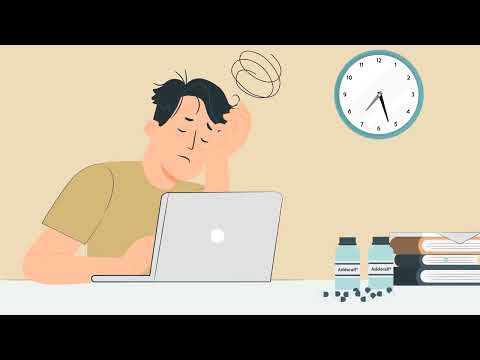
Hey, you know how sometimes we hear a lot about certain medications and their effects? Well, let’s talk about Adderall for a second.
It’s often prescribed for ADHD. But here’s the kicker: it can also link to depression in some folks. Crazy, right?
I’ve seen friends take it and have mixed experiences. Some swear by it, while others feel like a shadow of themselves afterward.
So, what is it about this little pill that can mess with our emotions? You’re curious, I get it! Let me break it down for you.
Understanding the Link Between ADHD Stimulants and Depression: What You Need to Know
So, let’s chat about this connection between ADHD stimulants, like Adderall, and depression. It’s a topic that’s got a lot of folks wondering what’s really going on in their heads. First off, you should know that ADHD—Attention Deficit Hyperactivity Disorder—affects tons of people. And a lot of times, doctors will prescribe stimulants to help manage those symptoms.
Now here’s where things get kinda tricky. Stimulants work by boosting certain chemicals in your brain, like dopamine and norepinephrine. These are important for focus and attention. But *and this is key*—for some folks, those same medications can sometimes contribute to feelings of depression.
How does that happen? Well, it varies from person to person. Not everyone will have the same experience with these meds. Some people might find relief from their ADHD symptoms and feel great! But others might notice that once the initial high wears off or if they change dosages, their mood takes a nosedive.
It reminds me of someone I know who was on Adderall for years and did pretty well at first—school was easier, work felt manageable—but then outta nowhere, they started feeling down all the time. They couldn’t connect the dots right away but eventually realized it could be linked to how they were using their meds.
Now let’s talk about withdrawal. If you’re taking Adderall regularly and decide to stop suddenly or if your dosage changes drastically, you might notice mood dips during withdrawal periods. So like, feeling irritable or even sad can pop up when you’re coming off it because your brain needs time to adjust back.
But here’s something important: not every ADHD medication leads to depression; it really depends on the individual situation. If you’re noticing new emotional struggles after starting a stimulant—or if you’ve been on one for a while—it might be worth chatting with your doc about it.
A couple of things to keep in mind:
In summary—and hey, remember this part—the link between ADHD medications like Adderall and depression isn’t straightforward at all. You could feel fantastic and just fine when taking them or struggle with some emotional fallout depending on how your body reacts. The most crucial thing? Keep those lines of communication open with your healthcare provider! They’re there to help make sure you’re not just functioning but thriving overall.
Exploring the Effects of Adderall on Depression and Anxiety: Can It Help?
Adderall is one of those medications that gets a lot of attention, you know? It’s primarily used to treat ADHD, but some people wonder if it can help with depression and anxiety too. Well, the relationship between Adderall and these mental health conditions is pretty complex. Let’s break it down a bit.
First off, Adderall contains amphetamine and dextroamphetamine, which are stimulants. These substances work by increasing the levels of certain neurotransmitters in your brain—specifically dopamine and norepinephrine. Now, these chemicals play a role in mood regulation. So, you might think that taking Adderall could lift your mood if you’re feeling down or anxious.
However, the reality isn’t so straightforward. For some folks with depression or anxiety disorders, especially those who also have ADHD, Adderall may indeed help improve concentration and energy levels. But here’s the kicker: for others, it can actually make symptoms worse. That’s because stimulants can sometimes amplify feelings of anxiety and irritability.
So let’s highlight a few key points:
- Short-term Boost: Some people report feeling more focused and motivated after taking Adderall.
- Potential Side Effects: Increased heart rate, jitteriness, or even heightened anxiety can occur.
- Risk of Dependence: Using stimulants can lead to dependency issues or addiction over time.
- Not Always Prescribed: Doctors usually prescribe Adderall for ADHD primarily; its use for depression or anxiety isn’t typical.
Now here’s a little story to illustrate this whole thing: I had a friend named Sam who was really struggling with anxiety and had been diagnosed with ADHD as a kid. When he started taking Adderall again in his 30s to manage his focus at work, he noticed a slight lift in his mood initially. But soon after that little high wore off, he found himself feeling more anxious than ever—like his mind was racing but he couldn’t handle all the thoughts crashing around in there.
This brings us to another important part: talking to your doctor. If you think about trying Adderall for depression or anxiety—or if you’re currently on it—it’s super important to have an open conversation with your healthcare provider about how it’s affecting you. They can guide you on the best way forward.
In summary, while there might be potential benefits for some folks dealing with both ADHD and mood issues when using Adderall, it’s crucial to pay attention to how it impacts your mental health overall. You don’t want something that helps one part only to make another part worse! So make sure you’re checking in with yourself—and seeking professional guidance—regularly!
Understanding Adderall Dosage for Depression: What You Need to Know
When we talk about Adderall, it’s usually in the context of attention-deficit hyperactivity disorder (ADHD). But there’s more going on with this medication than just its role in managing attention issues. Some folks have started looking at its effects on depression, too. Now, before we get into dosage specifics, it’s good to look at how Adderall connects to depression.
Adderall is a combination of two stimulants: amphetamine and dextroamphetamine. These substances boost certain chemicals in your brain called neurotransmitters. They help improve focus, energy, and mood for some people. But for others? Well, it’s not as straightforward.
So here is where it gets tricky. While Adderall can lift mood for some people with ADHD, it might not be that helpful for those who experience depression without ADHD. You see, using stimulants like Adderall can sometimes lead to increased anxiety or exacerbate feelings of sadness in patients dealing with depression.
Now let’s unpack how **dosage** comes into play. If a doctor does prescribe Adderall for someone experiencing depression—generally as part of a broader treatment plan—it typically starts with a low dose; this helps minimize potential side effects while gauging how well it works.
- Initial Dosage: A common starting point might be around 5 mg.
- Adjustments: Depending on how you react, the doctor may adjust the dose every few weeks.
- Maximum Dosage: The maximum daily dosage usually caps out around 40 mg for adults.
But don’t forget: this is just a general overview! Your needs could vary greatly based on your personal health history and other factors.
Now imagine someone named Jamie, who’d been feeling really low after losing a job. The doctor decided to try Adderall alongside therapy sessions because Jamie struggled with concentration—not just the blues but also trouble focusing on getting back into work-life routines. At first, they started with 5 mg and observed that it helped her feel more energized during therapy without ramping up anxiety levels too much.
Still, it’s essential to understand that everyone reacts differently to medications like Adderall—even if you think you’ve got similar symptoms as someone else! That’s why working closely with a healthcare provider is crucial.
If you find yourself thinking about Adderall for depression or see a doctor suggesting it as part of your treatment plan, make sure you talk openly about any concerns or side effects you’re worried about—and listen to their advice carefully! There are other options out there too; sometimes medication isn’t the only answer when navigating through mental health challenges.
And remember: while medications like Adderall can help some people navigate rough patches—it shouldn’t be viewed as a catch-all solution for everyone dealing with depression. It’s all about finding what works best for YOU!
So, let’s talk about Adderall for a sec. It’s one of those meds that a lot of people know about, especially since it’s often prescribed for ADHD. But here’s the thing: while it helps with focus and attention, there’s a twist in the story when it comes to mood and feelings. You know how sometimes you’re riding high on a wave of productivity but then crash into the shore feeling low? That can totally happen with Adderall.
A friend of mine took Adderall for years, thinking it’d solve all her “lack-of-focus” problems. At first, everything seemed peachy. She was getting things done and felt like she finally found her groove. But after some time, she started feeling this heavy cloud hanging over her head. It wasn’t just occasional sadness; it felt more like an anchor pulling her down every day. Eventually, she ended up in therapy because the dark feelings of depression were really getting to her.
Doctors say that stimulants like Adderall can sometimes mess with brain chemistry over time, which might lead to or worsen depression in some folks. Basically, while the med kicks your brain into gear by boosting certain neurotransmitters that help with focus (like dopamine), it can also lower other feel-good vibes when the effects wear off—or maybe even cause an imbalance if you’re on them for too long.
It’s kinda ironic, right? A medication meant to enhance your abilities can also take you down an emotional rabbit hole if you’re not careful or monitored closely by your doc. For my friend, it was all about finding that balance between managing ADHD and maintaining her mental health.
What I’m trying to say is that if you or someone you know is on Adderall (or thinking about starting), being aware of these potential side effects can be super important. Open conversations with healthcare providers can help navigate these waters much better. You don’t want to end up feeling heavy while trying to lighten your load!
So yeah, bottom line: keep an eye on those emotions along with that dosage! Mental health is such a big part of our overall well-being—don’t skimp on paying attention to it.