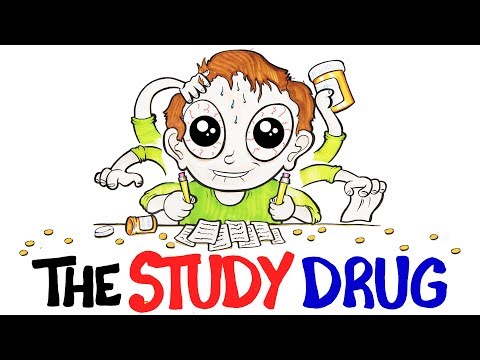
So, let’s chat about Adderall, huh? You might’ve heard of it—some people swear by it for focus and energy. Others? Not so much.
It’s a popular topic these days, especially with all the buzz around mental health and how we manage it. Seriously, there are whole boards online just dedicated to discussing its effects.
But here’s the kicker: while some folks find it helpful, others struggle with side effects or get a little too hooked on it. It’s a mixed bag, you know?
We’ll dig into how Adderall can affect mental wellness, both good and bad. It’s a wild ride! So grab a coffee, and let’s break this down.
Effective Strategies for Coping with the Adderall Shortage: Tips for Managing ADHD Symptoms
Well, let’s talk about the Adderall shortage and how it’s affecting folks with ADHD. This situation is pretty tough for many people trying to manage their symptoms. Not having access to medication can feel really overwhelming. Here are some ways to cope during this tricky time.
First off, communication is key. If you rely on Adderall, reach out to your doctor or therapist. They might have alternatives or can help you come up with a plan while the shortage lasts. Seriously, keeping that line open can make a world of difference.
Next up, consider other medications. There are options like Ritalin or Dexedrine that might be suitable for you. It’s important to discuss any changes with your healthcare provider though—everyone’s different, and what works for one person may not work for another.
Another strategy is implementing behavioral techniques. Here’s where things get creative! You could try things like breaking tasks into smaller chunks or setting a timer for focused work sessions followed by short breaks. This technique helps manage your attention without relying solely on medication.
Also, structure your environment. Create a workspace that’s free from distractions. Maybe keep your phone in another room while you’re working or use noise-canceling headphones. A clear space often leads to a clear mind.
Mindfulness practices can be super helpful too! Meditation or deep-breathing exercises help calm restlessness and improve focus. You can start small; even just five minutes a day can make a significant impact on how you feel overall.
Now here’s something important: don’t forget about exercise! Seriously, get moving! Regular physical activity has been shown to improve concentration and mood—a double win when you’re feeling off balance due to medication changes.
And hey, if you’re feeling stressed out, speak up! Join an ADHD support group where you can connect with others who are experiencing similar issues. Knowing you’re not alone in this can be comforting and offer practical tips from real-life experiences.
Lastly, remember that self-compassion goes a long way. It’s easy to beat yourself up when things aren’t going as planned, but softer thoughts toward yourself can ease anxiety and improve overall well-being.
So yeah, if Adderall isn’t available right now, don’t panic! You’ve got options and lots of ways to keep moving forward. Hang in there—it may take some time but you’ll find what works best for you!
Understanding the Adderall Shortage: What to Expect in 2025
So, let’s talk about the Adderall shortage and what the heck could be happening in 2025. If you’ve been following this issue, you already know it’s been pretty rough for a lot of folks. Adderall, primarily used to treat ADHD, has seen shortages that really affect those who rely on it. Now, looking ahead to 2025 might sound a bit wild, but understanding the trends can help us figure things out.
First off, why is there a shortage? Well, manufacturing problems can mess everything up. Drug production is complicated—think of it like making a really elaborate cake. If one ingredient falls through or gets contaminated, the whole thing can’t go out as planned. So many people depend on it that when these issues pop up? It causes chaos.
Now let’s get into effects on mental health management. Not having access to Adderall can mean that people feel scattered or unfocused. Imagine trying to juggle three balls while riding a unicycle—if one ball goes down, the whole act gets thrown off! Managing ADHD without medication can be super challenging and often leads to increased anxiety or frustration.
Here are some key points to consider for 2025:
- Increasing Demand: More people are being diagnosed with ADHD than ever before. This means more prescriptions and more pressure on supply chains.
- Regulatory Changes: Sometimes regulations around controlled substances change, affecting how manufacturers can produce these medications.
- Mental Health Impact: For folks who can’t get their meds, coping strategies might need an upgrade—therapy or alternative treatments could gain traction.
Imagine Sarah, who’s always relied on her daily dose of Adderall to get through her college classes and part-time job. If she suddenly finds herself without it due to shortages in 2025? Her grades could drop; she might get overwhelmed with tasks piling up. That kind of stress isn’t just tough at school—it spills over into personal life too.
And let’s not forget about stigma around ADHD treatment. Some people think meds are an easy way out—a quick fix—but hey, for many it’s about managing symptoms so they can live their lives fully.
Looking ahead means being proactive too! People affected by this shortage should consider talking to healthcare providers about backup plans or other treatment options like behavioral therapy or lifestyle changes.
So yeah, as we approach 2025, staying aware of these trends is critical if you’re an Adderall user or know someone who needs it for their mental well-being. The landscape may shift a lot more than we expect!
Understanding the Nationwide Adderall Shortage: Causes and Impacts on Mental Health
The Adderall shortage has been a hot topic lately, and it’s affecting a lot of people out there. So, what’s going on with this medication? Well, it’s basically a combo of increased demand and some hiccups in production. You see, Adderall is primarily used to treat ADHD (Attention-Deficit/Hyperactivity Disorder) and narcolepsy. When more people started getting diagnosed or seeking help for these conditions, the demand for Adderall shot up.
Supply Chain Issues are another key factor to consider. The manufacturers have faced disruptions due to various reasons like natural disasters, COVID-19 impacts, or even regulatory delays. All these factors combine to create shortages. It’s not just about making the pills; it’s about having the right ingredients at the right time.
Now let’s talk about the impacts. The shortage isn’t just an annoying inconvenience; it can seriously affect mental health management for many individuals. Here are some points worth noting:
- Increased Anxiety: For those relying on Adderall to function day-to-day, running out can spark anxiety levels through the roof.
- Mood Swings: People may experience irritability or mood swings if they suddenly can’t get their meds.
- Difficulty Focusing: Without Adderall, tasks that seemed manageable can feel overwhelming. You might find yourself getting easily distracted.
- Coping Mechanisms: Some might turn to unhealthy coping mechanisms like caffeine overloads or even unprescribed stimulants which can be dangerous.
Imagine this: Sarah has been taking Adderall for years and it helps her focus at work and manage her day-to-day life. One day she goes to pick up her prescription only to find out it’s backordered for weeks! Suddenly she feels like she can’t keep up with emails or meetings because her brain just isn’t working quite right without it.
It’s easy to underestimate how much a medication contributes to daily functioning until you don’t have access anymore. This situation is making healthcare conversations more critical than ever as providers need to address alternatives while dealing with limited resources.
So what does all this mean moving forward? Well, you know there might be increased discussions about finding other options for managing ADHD symptoms. Therapies that don’t rely on medications could gain traction – like behavioral therapies or mindfulness practices.
Addressing shortages is tough but vital because mental health shouldn’t take a back seat during these times of disruption. Support systems play an important role here too—checking in with friends or family who may be struggling could also ease some pressure while navigating these rocky waters.
It’s definitely frustrating when something as crucial as Adderall becomes hard to find, but awareness around the issue is key so we can advocate better for ourselves and each other during these challenging moments!
So, let’s chat about Adderall. You know, that medication that’s become pretty popular for treating ADHD? Lately, I’ve noticed more people talking about it—even in terms of stock prices and how it’s being traded on the market. It’s like Adderall is not just a pill anymore but a whole economic player! It feels kind of wild to think about how something designed to help manage mental health is wrapped up in all this business stuff.
Adderall can work wonders for folks who struggle with focus and attention. It can really change lives! Like, I once knew someone who had such a hard time finishing school because their mind would wander off at every little thing. After getting on Adderall, they started to thrive. Seriously, they went from barely scraping by to straight-A student! But there’s always two sides to the coin, right?
It’s important to think about the downsides too. Some people might misuse it—like taking more than prescribed or using it as a study aid without actually having ADHD. That can lead to all kinds of problems, including anxiety and even dependency. And I’ve seen how turning to something like this for an extra boost can spiral out of control if you’re not careful.
Then there’s the whole stock conversation. People are investing big bucks in companies that produce Adderall, hoping that its demand keeps rising as awareness of ADHD grows. But when money gets involved, it’s easy to lose sight of the human impact behind those numbers. Is a company thriving because it genuinely helps people or just because more kids and adults are getting diagnosed? The line can get blurry.
You also gotta wonder how all this affects those who genuinely need the medication but can’t get it due to supply issues or inflated prices driven by market demand. I mean, does anyone care about the patient when stocks are soaring?
So yeah, while Adderall has transformed lives for many folks dealing with ADHD or similar issues, when you mix in stock market chatter and profit motives, things start looking complicated real quick—like trying to decode a jigsaw puzzle while someone keeps tossing pieces away.
At the end of the day, mental health should come first—before profits or investment strategies—because these medicines aren’t just commodities; they’re lifelines for so many out there!