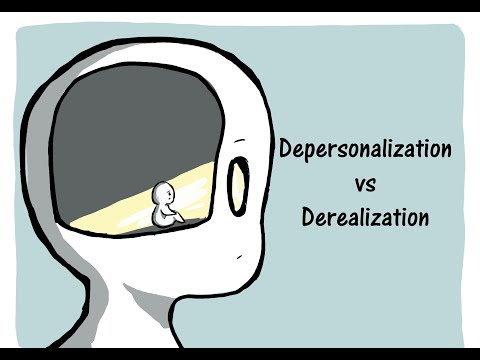
You know that feeling when you’re in a conversation, but it’s like you’re watching yourself from outside? Yeah, that’s depersonalization.
Now, mix that with ADHD, and you’ve got a whole different vibe going on. It’s like trying to catch a butterfly in a windstorm—tricky and a little chaotic.
So, what’s the deal with these two? Why do they sometimes go hand in hand?
Let’s dig into this together. I promise it won’t be boring!
Exploring the Connection Between Depersonalization and ADHD: Insights and Implications
Depersonalization> can be a pretty confusing experience. It’s that weird feeling where you sort of disconnect from your thoughts and feelings, almost like you’re observing yourself from the outside. Now, if you throw ADHD> into the mix, things can get even more complicated.
People with ADHD often find themselves struggling with attention and focus. That’s like trying to tune a radio to catch a clear signal but just getting static instead. When someone with ADHD is overwhelmed or stressed, they might experience depersonalization>, which can feel like their brain is just shutting off for a bit.
So, what’s the connection here? Well, stress and anxiety> are pretty common in those with ADHD. Imagine having a million thoughts bouncing around in your head while also trying to keep up with everything going on around you. It’s exhausting! This constant overload can lead to moments of depersonalization as a sort of coping mechanism—your brain saying “Whoa, I need a break!”
But here’s the thing: not everyone with ADHD experiences depersonalization. It’s like how some people get headaches when they’re stressed and others just feel tired. You follow me?
There are some key points to think about:
- Overwhelm: For many with ADHD, everyday tasks can quickly become overwhelming.
- Coping Mechanism: Depersonalization might serve as a defense mechanism during these overwhelming moments.
- Anxiety Links: Research suggests that increased anxiety can heighten feelings of depersonalization in individuals with ADHD.
- Treatment Variability: Different approaches may work better for one person than another; what helps one might not help all.
Let’s talk about treatment for a second. If someone is dealing with both conditions at once, finding the right approach can be tricky. Some people benefit from therapy that focuses on grounding techniques—those things that help you stay connected to reality when your mind wants to drift away.
Imagine sitting there in therapy and working on ways to cope when life feels too much. You’d practice skills that remind you: “Hey, I’m here! I’m present!” Sounds simple but it matters more than you’d think.
Medications used for ADHD treatment sometimes help reduce symptoms of depersonalization too—at least for some folks. It’s kind of like how treating one part of your life can make other parts easier to handle.
And don’t forget support networks! Friends and loved ones can play a huge role in managing both conditions by offering understanding and encouragement—you know those really tough days when just getting out of bed feels monumental? That kind of support means everything.
In short, while not everyone who has ADHD will deal with depersonalization, there’s definitely an interesting overlap there to consider. Understanding these connections could pave the way for better support strategies tailored specifically for people navigating this complex landscape together!
Exploring the Connection Between ADHD and Dissociation: What You Need to Know
ADHD, or Attention-Deficit/Hyperactivity Disorder, can sometimes be a bit of a wild ride. It’s not just about being hyper or struggling to focus. There’s this other layer that’s pretty interesting—dissociation. You might be wondering what the heck that means, right? So, let’s break it down.
Dissociation is when you feel disconnected from yourself or your surroundings. It’s like your brain takes a little vacation while your body keeps going. This can feel like you’re watching yourself from outside or that everything around you is, I don’t know, fuzzy or unreal. People with ADHD can experience dissociation in different ways, and it doesn’t always look the same for everyone.
Now, here’s the thing: ADHD and dissociation can sometimes travel together, making life even more complicated. When you’re zipping around from thought to thought because of ADHD, those distractions could lead to moments where your mind drifts off completely. So you could be sitting in class and suddenly feel like you’re floating above the room instead of actually being there.
Key points about this connection:
- Attention struggles: If you’re already having trouble focusing due to ADHD, it’s easier for distractions to pull you away mentally.
- Emotional regulation: Managing emotions can be tricky with ADHD. When things get overwhelming, dissociation might kick in as a way to cope.
- Comorbidity: It’s not uncommon for people with ADHD to also deal with anxiety and depression. These conditions further increase the chances of experiencing dissociative episodes.
Think about Alex for a second—let’s say he’s got ADHD and often zones out during his school lectures. One day, his teacher is talking about history but Alex starts feeling weirdly detached; it’s like he’s watching a movie instead of living it. He might realize later that he missed important info because his mind was wrapped up in its own world.
But it gets even trickier when we talk about depersonalization, which is a specific type of dissociation where you feel disconnected from your own thoughts and body. You can imagine how this would mix with ADHD symptoms—like when someone feels fidgety but then suddenly feels completely removed from their body altogether.
So what do you do if this sounds relatable? Finding someone to talk to—a therapist or counselor—can really help clear things up. They can help sort through these feelings and maybe even help find effective coping strategies.
In summary, the link between ADHD and dissociation isn’t just some random coincidence; they often overlap in ways people might not initially notice. Pay attention to those feelings of disconnection if they pop up alongside typical ADHD symptoms—they’re part of the whole picture too! Remembering that you’re not alone in this struggle is super important as well; many people face similar challenges every day!
Understanding Depersonalization: Is It a Psychotic Break or Something Else?
Depersonalization can be a really confusing experience. It’s that strange feeling where you feel detached from yourself, like you’re observing your life from the outside. But is it just a symptom of something else, or are we talking about a full-on psychotic break? Let’s break it down.
First off, depersonalization isn’t necessarily a psychotic break. It’s actually more common than you might think. Many people experience it at some point in their lives, especially during periods of high stress or anxiety. Think of it like your brain’s way of coping with overwhelming feelings—sort of like hitting the pause button on reality.
What Causes Depersonalization?
There’s no single cause, and that makes it tricky to pin down. Stress, trauma, anxiety disorders… all these can kick it into gear. For example, if you’ve had a really tough day—maybe you faced something traumatic or stressful—you might suddenly feel disconnected from everything going on around you.
Is Depersonalization Related to ADHD?
If you’re someone with ADHD, yeah, there’s some overlap here. People with ADHD often juggle attention issues and emotional dysregulation. This might lead to feelings of depersonalization when things get too chaotic or intense. Imagine being in a crowded room where everyone’s talking over each other; it’s hard to focus and can make you feel like you’re fading away.
It’s wild how intertwined our minds can be! But let’s clarify: while psychotic breaks involve losing touch with reality—seeing things that aren’t there or having delusions—depersonalization doesn’t usually cross that line.
Think about it this way: if you’re experiencing depersonalization during a panic attack, your mind is reacting to intense anxiety, but you’re still grounded in reality—instead of hearing voices or believing things that aren’t true.
Treatment Options
If depersonalization starts affecting your daily life, talking to a mental health professional is key. Therapy often helps by providing tools for coping with stress and grounding techniques. Sometimes medication may also come into play if other underlying issues are present.
So whether you’re feeling out of sorts because of ADHD or just overwhelmed by life in general, remember this: depersonalization is your mind’s way of trying to handle too much at once—not an irreversible loss of touch with reality!
Alright, so let’s chat a bit about ADHD and depersonalization. You know, these two things might seem worlds apart, but they can actually dance together in some pretty interesting (and sometimes tricky) ways.
First off, ADHD is one of those conditions that can really make life feel like a whirlwind. You’ve got the impulsivity, the distractibility—like when you sit down to work on something and suddenly find yourself knee-deep in cat videos instead. I mean, who hasn’t been there? But it’s more than just being easily distracted. There are emotional ups and downs that come with it too. You might feel frustration or sadness over not being able to focus.
Now, depersonalization is when you kind of feel detached from yourself or your surroundings. It’s that eerie sensation where life seems like a movie, and you’re just…a character watching it all unfold rather than actually participating. Imagine sitting in a café with friends but feeling like you’re just outside looking in. That can be super disorienting.
So where do these two meet? Well, think about the challenges someone with ADHD faces every day—feeling overwhelmed by tasks or struggling to keep everything together. Those moments can lead to heightened anxiety or stress levels. And for some people, when that anxiety peaks, they might start feeling depersonalized as a way of coping—like their brain is trying to protect them by stepping back from reality.
I had a friend who dealt with both ADHD and those strange feelings of depersonalization. She’d be all over the place with her thoughts and then suddenly feel spaced out during important moments—like when she was giving a presentation at work or even hanging out with close friends. It was like she was right there but also completely absent at the same time, which must’ve been so frustrating for her.
The thing is, navigating these experiences isn’t easy at all. For her—and many others—the key often lies in finding a balance through therapy or mindfulness techniques that help ground them back into their body and emotions while managing ADHD symptoms too.
So yeah, if you ever feel yourself drifting away from reality—especially if you have ADHD—remember that you’re not alone in this experience! It’s all about understanding how these pieces fit together in your own unique puzzle and finding ways to stay connected to yourself amidst the chaos of life.