You know, dealing with ADHD and DMDD can feel like a roller coaster ride sometimes. Seriously, it’s wild. One minute, you’re on top of the world, and the next, it’s like everything is crashing down.
Imagine trying to concentrate in school or work with a thousand thoughts bouncing around in your head. Or picture a child throwing an epic tantrum because they just can’t handle their emotions. That’s ADHD and DMDD for you.
A lot of people don’t know the struggle behind these conditions. It’s messy and confusing. But hey, that’s where mental health care comes into play!
Let’s chat about what living with ADHD and DMDD looks like—and how to navigate that tricky mental health landscape together. Sound good?
Effective Strategies for Treating DMDD and ADHD: A Comprehensive Guide
Managing ADHD (Attention-Deficit/Hyperactivity Disorder) and DMDD (Disruptive Mood Dysregulation Disorder) can feel like juggling flaming torches sometimes, right? You just want to keep everything from crashing down. So, let’s chat about some effective strategies for treating these conditions.
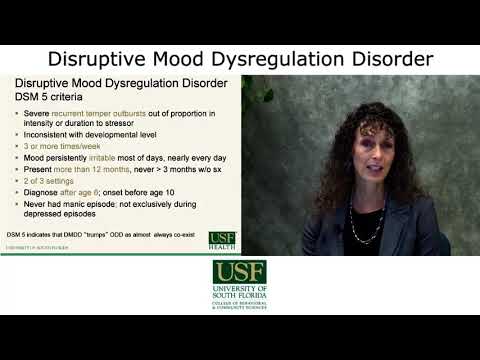
Understanding ADHD and DMDD is key to finding the best approaches for treatment. ADHD often shows up with symptoms like inattention, hyperactivity, and impulsiveness. DMDD, on the other hand, involves severe temper outbursts and irritability that seem to stick around more than typical mood swings. Both can overlap, making things even trickier!
1. Therapy Approaches
One of the most used treatment strategies is therapy. There are a couple of options here:
- Cognitive Behavioral Therapy (CBT): This helps kids and adults identify negative thought patterns and replace them with positive ones. It teaches problem-solving skills too.
- Parent Training: Parents learn how to manage behavior at home effectively. Sometimes small changes in how you respond can make a world of difference.
- Play Therapy: Especially useful for younger kids with DMDD, it offers a safe space to express emotions creatively.
An example? Imagine you’re talking with a therapist about your child’s outbursts during homework time. They might help both you and your child figure out better communication styles, making those moments less explosive.
2. Medication
In some cases, medication becomes an essential tool in managing symptoms:
- Stimulants: Commonly prescribed for ADHD, like methylphenidate or amphetamines—they can help increase focus.
- Non-stimulants: Medications like atomoxetine are also effective without the same risks for addiction.
- Atypical Antipsychotics: Sometimes used for DMDD when mood swings are severe—these aren’t first-line treatments but can help stabilize mood.
Always talk it over with a doctor; what works well for one person may not be the best fit for another.
3. Lifestyle Changes
Simple changes in everyday life can have big effects:
- Regular Routine: Structure helps people with ADHD feel more grounded—think consistent bedtimes and meal times.
- Nutritional Support: Balanced diets rich in fruits, veggies, whole grains, lean proteins—these can improve overall well-being.
- Exercise: Physical activity is super important! It releases pent-up energy and boosts mood hormones naturally.
For instance, if your kiddo has a routine that includes time outside after school every day, it’s not just fun—it’s aiding their focus when they sit down to do homework later.
4. Mindfulness Techniques
Mindfulness strategies are gaining popularity because they help manage stress levels:
- Meditation or Deep Breathing Exercises: Taking a few minutes to calm the mind really works wonders during overwhelming moments.
- Doodle Therapy or Art Activities: These creative outlets offer channels to express feelings without words; they’re great for emotional release!
- Mindful Walking or Nature Time: Connecting with nature seems simple but reconnects you both physically and mentally—it’s grounding!
You might give it a shot next time things feel intense: taking a walk together while chatting about how each of you feels.
Absolutely remember that combining different strategies often leads to better outcomes than just choosing one approach alone. Each person is unique—you know your situation best! Keeping lines of communication open among parents, healthcare providers, teachers—all these players working together creates the strongest support system.
Navigating ADHD and DMDD isn’t easy—not by any means—but understanding your options makes it way less daunting!
Understanding the Mathews Protocol: A Comprehensive Guide to DMDD Treatment
The Mathews Protocol is a treatment approach aimed at helping kids grappling with Disruptive Mood Dysregulation Disorder (DMDD), which can be pretty intense. DMDD is, basically, when a child has severe temper outbursts and persistent irritability. It’s like they’re carrying around a heavy backpack of anger and frustration. And when you throw ADHD into the mix, things can get even trickier.
To get into the Mathews Protocol, it’s helpful to understand the core components that make it effective. Here are some key points:
The thing with DMDD is that it can really put a strain on family dynamics. Imagine coming home after a tough day, only to find your child in full meltdown mode over something small. It can feel overwhelming! But with the Mathews Protocol, families often notice improvements over time.
Like for example, let’s say you have a kid who regularly throws tantrums at school because they struggle with transitions between activities—like going from recess back to class. Through the protocol’s methods, teachers work on giving advance warning before transitions and using calming strategies when tensions rise.
And then there are medication options too but those should always be discussed with professionals who know your child’s history well.
In navigating ADHD alongside DMDD within mental health care services, having specialists who understand both conditions is key. Each condition can affect the other; ADHD symptoms like impulsivity may spike mood episodes in DMDD cases.
Overall, understanding the Mathews Protocol means grasping that treatment is tailored—it might not work for every child in exactly the same way but offers versatile strategies that can adapt as needed.
Just remember: it’s all about patience and progress—no overnight transformations here!
Effective Interventions for Managing Disruptive Mood Dysregulation Disorder (DMDD)
Disruptive Mood Dysregulation Disorder, or DMDD for short, can be pretty tough to manage. You might know someone who’s always in a bad mood or has intense outbursts? That’s kind of what DMDD looks like. It’s like having a storm cloud over your head that doesn’t go away. So, if you’re navigating ADHD and DMDD in mental health care, knowing some effective interventions can make a big difference.
First off, **therapy is key**. The most common ones that work well for children with DMDD include:
Next, let’s talk about **medications**. While they don’t cure DMDD, they can help manage some symptoms:
But here’s the thing—medications should always be closely monitored by a doc because everyone’s different!
Now, getting the school involved can also be super helpful. Collaborating with teachers about classroom strategies can provide support when the kiddo is feeling overwhelmed:
Lastly, incorporating **mindfulness practices** is an awesome way to help kids center themselves during those stormy moments. Teaching techniques such as deep breathing or grounding exercises can give them tools right at their fingertips.
So picture this: A kid who used to explode with anger when things went wrong starts taking deep breaths before reacting. That shift is huge! It’s like learning how to navigate through life’s tricky emotions without getting lost.
Managing DMDD isn’t easy—it takes effort and patience from everyone involved but focusing on these interventions makes it possible for kids to thrive despite those mood storms they might face!
Navigating ADHD and DMDD in mental health care can feel like an uphill battle sometimes. You know, it’s like you’re trying to read a map that keeps changing. Attention-Deficit/Hyperactivity Disorder (ADHD) is often characterized by that restless energy and trouble focusing. You might find yourself daydreaming halfway through a conversation or losing track of time when you’re supposed to be working on something. And then there’s Disruptive Mood Dysregulation Disorder (DMDD), which seems to bring its own unique challenges. Imagine feeling intense mood swings that can swing from zero to a hundred in seconds, and it’s hard not to feel overwhelmed.
I remember a friend of mine—a brilliant guy, really—who struggled with both conditions. He was super creative but would get sidetracked easily. One minute he’d be painting this beautiful landscape, and the next, he’d be sulking because someone accidentally bumped his canvas. His emotions would roll in like waves, making it tough for him to hold onto friendships or stay on top of his work.
When it comes to managing these challenges in mental health care, the system can be a bit tricky. There are specialists who understand ADHD strategies like behavioral therapy or medication options that help with focus and impulse control. But DMDD? That’s where it gets murky; treatments tend to revolve around therapy but are less straightforward than you might hope.
Finding the right therapist or program can be daunting, too. It’s important to connect with someone who really understands how these two conditions interact—because they do! Medication for ADHD might help your attention span but won’t do much when those mood swings hit you outta nowhere.
It’s essential for people navigating these paths—whether for themselves or loved ones—to feel seen and heard. Support groups can make a world of difference, offering a safe space where sharing experiences feels less isolating and more validating.
So yeah, while dealing with ADHD and DMDD together is no walk in the park, getting proper treatment from a compassionate team really helps carve out a path for better days ahead. It takes time, patience, and sometimes even trial and error—but hope shines through those struggles!