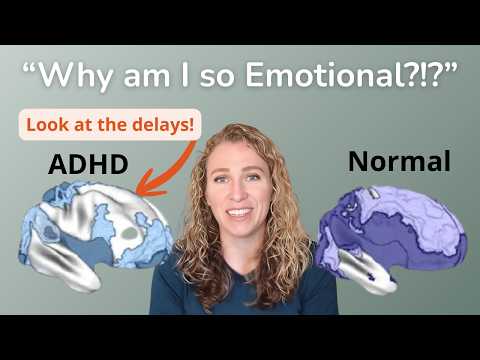
You know how sometimes you just feel all over the place? Like your emotions are on a roller coaster and you can’t get off? That’s kind of what it’s like for folks dealing with ADHD and emotional dysregulation.
Imagine trying to focus on that work project, but then suddenly, a tiny frustration sends you into a mini meltdown. It’s exhausting, right?
Well, that’s a big part of the struggle many face in the mental health care world. It’s not just about keeping attention; there’s this whole emotional side too that doesn’t always get the spotlight it deserves.
So let’s talk about what it really means to live with ADHD and how emotions can sometimes feel like they’re running the show. You ready for this?
Understanding ADHD and Its Impact on Emotional Regulation: Key Insights and Strategies
ADHD, or Attention Deficit Hyperactivity Disorder, isn’t just about being super energetic or having trouble focusing. It can deeply affect how you manage your emotions too. You see, folks with ADHD often deal with something called emotional dysregulation. This means they might find it really tough to control their emotions, whether it’s feeling really happy or suddenly getting super frustrated over small stuff.
So, let’s break this down a little. First off, emotional dysregulation in ADHD is like having a rollercoaster of feelings that you can’t always predict or control. Imagine a kid who gets excited when they see their favorite toy but then flips out over losing it—like a switch was flipped. That’s pretty common in ADHD.
- Impulsivity: This is a big part of emotional dysregulation. You might say things without thinking or react strongly without stopping to consider the situation. Like if someone makes a sarcastic comment and you snap back without realizing it hurts their feelings.
- Intensity: When emotions hit, they can feel overwhelming. Whether it’s anger, sadness, or joy, the feelings can be felt at an extreme level that others might not understand.
- Frustration Tolerance: If you have ADHD, coping with frustration can be hard. Small setbacks can feel gigantic and lead to emotional outbursts—think of missing the bus and feeling like it’s the end of the world.
This emotional rollercoaster impacts relationships too. Friends and family may notice mood swings that seem random or intense reactions that confuse them. For instance, during a regular family dinner, things could go well until someone brings up a topic that triggers negative feelings resulting in an unexpected argument.
But hey, there are ways to manage this! One strategy is practicing mindfulness. It helps ground you in the moment. When you start feeling overwhelmed by your emotions, taking deep breaths and refocusing on what’s happening around you can help calm that storm inside.
Cognitive Behavioral Therapy (CBT) is another useful approach here—it teaches practical skills for recognizing those intense emotions and finding better ways to react to them instead of just blowing up or shutting down.
The thing is—and this is important—emotional regulation isn’t something you just figure out overnight; it takes practice and patience. Like learning how to ride a bike! You fall off sometimes but get back on again until it clicks for you.
The journey with ADHD and its impact on emotional regulation can be tough but understanding what’s happening inside helps make sense of it all. Plus knowing you’re not alone makes all the difference! So if you’re struggling with these feelings and behaviors? Reach out for support; there’s always help available!
Effective Strategies for Supporting a Loved One with ADHD and Emotional Dysregulation
Supporting a loved one with ADHD and emotional dysregulation can be quite the journey. It’s like watching someone try to navigate a busy street while juggling a handful of balls; it’s tough, and sometimes they just need a little more help to keep everything in the air.
So, what can you do? Here are some effective strategies that could really make a difference.
Understand ADHD and Emotional Dysregulation. This is the first step. ADHD isn’t just about being easily distracted; it also includes challenges with impulse control and emotional regulation. Emotional dysregulation means that your loved one might feel emotions more intensely or struggle to manage them effectively. They might react strongly to what feels like small issues, which can be confusing for you both.
Create a Structured Environment. Having routines helps immensely. When life feels predictable, it reduces anxiety and helps them stay focused. Try setting up daily schedules that include time for work or school tasks, as well as breaks for downtime—everyone needs that!
Communicate Openly. It’s crucial to talk openly about feelings—both theirs and yours. Sometimes they may not even realize when they’re overwhelmed, so gently pointing it out can help them start recognizing patterns in their emotions.
- Use “I” Statements. This means saying something like “I noticed you seem frustrated” instead of “You’re always frustrated.” It shifts the focus onto their feelings without sounding accusatory.
- Practice Active Listening. Show that you’re engaged in what they’re saying by nodding or giving verbal acknowledgments like “I see.” You’d be surprised how much this means!
Be Patient. Patience is key! Not every day will be smooth sailing. If they have a meltdown, try not to take it personally. Instead, remind yourself that they may be struggling internally in ways you can’t see.
Encourage Coping Strategies. Help them identify tools that assist with emotional regulation—deep breathing exercises or taking a break from a situation when things get heated, for instance. You could even practice these methods together when things are calm.
- Mindfulness Exercises. Simple practices like focusing on breathing or using guided meditations can be helpful.
- Sensory Tools. Items such as stress balls or fidget toys provide an outlet for excess energy or anxiety.
Avoid Overloading Them. It might sound simple, but keeping their schedule manageable is huge! Too many commitments can lead to feeling overwhelmed quickly. Saying no sometimes is perfectly okay and necessary!
Supporting your loved one with ADHD and emotional dysregulation is not always easy—it requires understanding, compassion, and patience. There will be ups and downs along the way; remember those moments of success matter too! You’ll both grow closer through this journey if you approach it together with love and respect for each other’s feelings.
Understanding ADHD Emotional Dysregulation: Navigating Overwhelming Emotions
If you or someone you know has ADHD, you might have noticed that emotions can sometimes feel like a roller coaster, right? That’s the thing about **ADHD (Attention-Deficit/Hyperactivity Disorder)**—it’s not just about focus and attention. Emotional dysregulation is a big part of it, and it can really impact daily life.
So, emotional dysregulation basically means struggling to control your emotional responses. You might find yourself feeling really angry one minute or bursting into tears over something small the next. This isn’t just about being moody; it’s like having an unpredictable emotional volume knob that gets turned up way too high at times.
Why does this happen? Well, our brains are wired differently when we have ADHD. The part of the brain responsible for regulating emotions—the **prefrontal cortex**—might not function as efficiently. So, instead of managing our feelings in a balanced way, everything can get magnified. Imagine walking through a crowd and suddenly feeling overwhelmed by every sound and emotion around you; that’s pretty much what it can feel like.
People with ADHD often have difficulty *recognizing* their emotions too. You might not even realize you’re getting upset until it’s a full-blown meltdown! It’s like being on autopilot until things start spiraling out of control. Here are some key points to consider:
- Heightened Sensitivity: Situations that others may brush off could hit hard for someone with ADHD.
- Difficulty with Impulse Control: Acting on those intense feelings can lead to regrettable situations.
- Physical Responses: Stress or anger might show up physically, leading to headaches or stomachaches.
Okay, let’s talk about coping strategies because managing those overwhelming emotions is crucial:
1. **Mindfulness practices**: Taking a moment to breathe deeply can help you recognize when you’re getting worked up, allowing you to take a step back.
2. **Journaling**: Writing down your feelings might help in processing them better instead of keeping everything bottled up inside.
3. **Talking it out**: Sometimes just venting to a friend or therapist helps in sorting through those swirling thoughts.
I remember talking to a friend with ADHD who said they’d get super upset over losing their keys—like, crying upset! It took them ages to realize that it wasn’t just about the keys; it was the frustration piling on top of all the little annoyances from throughout the day. Once they began using some simple strategies like deep breathing and venting their frustrations earlier on, things started to feel more manageable.
When you’re navigating life with ADHD and emotional dysregulation, it really helps to lean into support systems—friends, family, or mental health professionals who get it. Also remember that medication may play a role for some individuals too; while that’s not for everyone, it’s worth chatting with someone who understands these options well.
In summary, living with ADHD’s emotional rollercoaster doesn’t have to be overwhelming if we learn how to navigate those big feelings together. So whether you’re riding solo through these emotions or alongside someone else in this journey—knowing more about emotional dysregulation is like having a map for those bumpy roads ahead!
So, let’s chat about ADHD and emotional dysregulation. Now, if you or someone you know has ADHD, you might be familiar with how it can impact emotions. And honestly, it’s a wild ride sometimes. You’ve got that hyperactivity buzzing in your brain, making it feel like your thoughts are racing at a million miles an hour. But then there’s this other side where emotions can swing like a pendulum—up, down, and all around.
I remember a friend telling me about their experience with ADHD. One moment they were ecstatic about landing a new job, and the next they were spiraling into anxiety over small things that most people wouldn’t even think twice about. It was like riding emotional waves without a surfboard. They found themselves feeling overwhelmed way more easily than others and really struggled to get back to center.
That’s where emotional dysregulation comes in for folks with ADHD. It’s not just about being impulsive or hyperactive; it’s also about feeling confused by what you’re feeling and why. You might find yourself overreacting to situations or having trouble calming down after something triggers you—seriously frustrating!
In mental health care, understanding this relationship is crucial. When therapists or doctors only focus on attention issues without addressing emotional regulation, it can feel like they’re missing the whole picture. Imagine trying to read a book that’s missing half the pages—so annoying! Treatments often take on multiple angles: medication can help manage symptoms but therapy strategies are super important too.
Cognitive Behavioral Therapy (CBT) tends to be effective for helping people manage those intense feelings and reactions better. It’s all about figuring out patterns and learning new ways of thinking. Plus, skills like mindfulness really help ground someone in the moment—it keeps that emotional rollercoaster from taking off too fast.
But here’s the kicker: everyone’s journey is unique! What works for one person might not work for another—and that can be really tough for individuals seeking help in these systems of care that sometimes move at glacial speeds.
So yeah, if you’re navigating this world of ADHD and emotional dysregulation—or supporting a loved one who is—it helps to connect with professionals who get it; those who see both sides of the coin: attention focus and emotional well-being. Because at the end of the day, we all want to feel balanced—even if life feels chaotic sometimes!