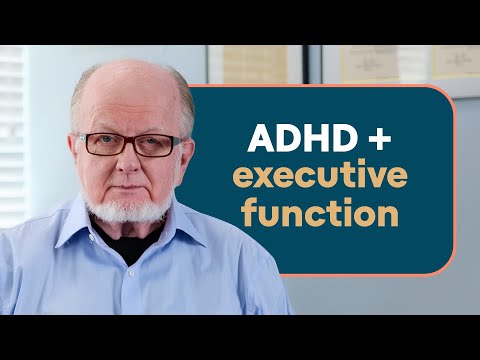
You know that feeling when your mind’s racing a mile a minute, but you can’t quite focus? Yeah, that’s ADHD for you. It’s like trying to watch a movie on fast-forward.
But here’s the thing: it’s not just about being distracted. There’s this whole other layer to it called executive function. Think of it like the brain’s command center. It helps with planning, decision-making, and even managing emotions.
So when ADHD messes with that, life can get tricky. You might find yourself struggling to keep track of tasks or feeling overwhelmed by everyday stuff. Seriously, it can be a real rollercoaster ride.
Let’s chat about how these challenges play out in real life and what you can do to navigate through them without losing your mind!
Essential Risk Management Strategies for ADHD Coaches: Enhancing Practice Safety and Effectiveness
When you’re working as an ADHD coach, it’s super important to think about risk management. You wanna create a space where clients feel safe and understood, right? So let’s dig into some essential strategies that can help make your practice both safer and more effective.
First off, clear boundaries are key. Make sure you set up what clients can expect from you and what your role is. Some people might think you’re a therapist or even a parent figure. By defining the coaching relationship clearly, everyone’s on the same page from the get-go.
You also want to emphasize confidentiality. Clients need to trust you. This means being crystal clear about how you handle their personal information. Discussing confidentiality upfront can really ease their minds. It’s all about building that trust!
Then, consider having informed consent forms ready for clients to sign. This isn’t just paperwork; it helps clients understand what coaching involves and any potential risks associated with it. Not to mention, it protects you as a coach too! Just imagine someone coming back later saying they didn’t know what they signed up for; yikes!
Now, let’s talk about ongoing education. The field of mental health—especially ADHD—keeps evolving. Making an effort to stay informed through workshops or courses will not only bolster your credibility but also give your clients the best possible guidance based on the latest research.
An often overlooked aspect is developing rapport. Like seriously! Building solid relationships with your clients can lead to more open conversations about challenges or setbacks they face. If they feel comfortable with you, they’re more likely to share important details that could help in their journey.
You’d also benefit from having a plan for referrals. Sometimes coaching just isn’t enough—for instance, when mental health issues are beyond your expertise. Having a list of trusted professionals can be life-saving for those times when a client needs more support than you’re able to provide.
Don’t forget about self-care practices, too! Seriously! Coaches often put their own needs on the back burner while focusing on clients’ progress. But burnout won’t help anyone; take time to recharge and stay mentally healthy yourself!
It’s also smart to establish emergency protocols. Though this might seem dramatic, it’s important to know how to respond if a client is in crisis or shares thoughts of self-harm. Having clear steps and resources can make all the difference in those moments.
Lastly, regular evaluation of your practices is essential! This means checking in—not just with your clients but also with yourself—about what’s working and what isn’t. Make adjustment as needed based on feedback or outcomes; this sort of flexibility can enhance safety!
By keeping these strategies in mind and incorporating them into your coaching practice, you’re not only improving safety but also enhancing effectiveness for those navigating their ADHD challenges. Your role as a coach is crucial—it goes beyond just guidance; it’s about partnership and support in the journey ahead!
Understanding Executive Dysfunction: Strategies for Improving Focus and Productivity
Understanding executive dysfunction can feel like trying to untangle a ball of yarn. It’s all knotted up and messy, and it can really mess with your focus and productivity, especially if you have ADHD. So, let’s break it down.
What is Executive Dysfunction?
Basically, executive function refers to the mental processes that help us plan, focus attention, remember instructions, and juggle multiple tasks. When someone has executive dysfunction, these processes get a bit scrambled. Imagine trying to finish a puzzle but missing half the pieces; that’s what it can feel like.
Symptoms You Might Recognize
So what does this look like in everyday life? Here are some signs:
- Difficulty concentrating: You might find yourself zoning out during meetings or struggling to keep your mind on a task.
- Procrastination: You say you’ll tackle that project tomorrow—but then tomorrow turns into next week.
- Forgetfulness: Losing your keys or forgetting appointments can become pretty common.
- Poor time management: It feels like there aren’t enough hours in the day; deadlines sneak up on you.
Now, I had a friend who went through this. She always meant to start her assignments early but would end up doing everything the night before—total panic mode. Sound familiar?
Strategies to Boost Focus
If you’re living with executive dysfunction, here are some strategies that might help improve your focus and productivity:
- Create a structured routine: Try sticking to a daily schedule. This helps give your brain some predictability you know?
- Break tasks into smaller steps: Instead of tackling a big project all at once, break it down. Like eating an elephant one bite at a time!
- Use visuals: Tools like calendars or sticky notes can help keep tasks visible and front of mind.
- Add timers: The Pomodoro Technique is super popular for this—work for 25 minutes, then take a break!
The Role of TherapySometimes talking to someone can really make a difference. Cognitive Behavioral Therapy (CBT) focuses on changing unhelpful thought patterns and behaviors. It’s kind of like getting an upgrade for your brain’s operating system.
Your Environment MattersIf possible, try controlling distractions around you. Maybe find a quiet place or use noise-canceling headphones while focusing on tasks.
Getting support from friends or family can be huge too; they might understand when distractions pop up and help keep you accountable.
In the end, remember—you’re not alone in this struggle! Lots of people deal with executive dysfunction in various ways. A little patience goes a long way as you figure out what strategies work best for you. Keep experimenting until something clicks!
Understanding Executive Function Disorder: Insights from the DSM-5
Understanding Executive Function Disorder can be a bit tricky, especially when it comes to the way it interacts with conditions like ADHD. It’s not just about being forgetful or disorganized; it goes deeper than that. So, let’s break it down.
Executive function refers to a set of mental skills that help us manage our thoughts, actions, and emotions. Think of it as the brain’s control center. This includes things like planning, focusing attention, remembering instructions, and juggling multiple tasks. When someone has Executive Function Disorder, these skills don’t work as smoothly as they should.
Now, you might be wondering how this fits in with ADHD. Well, many people with ADHD tend to struggle with executive functioning skills too. This means they might find it super hard to stay organized or stick with a plan. It’s not just procrastination; it’s like their brain is wired differently when it comes to managing tasks.
According to the DSM-5, which is basically the guidebook for diagnosing mental health conditions, executive dysfunction isn’t listed as its own disorder but is often seen in people with ADHD. Here are some key points:
- Impulsivity: People might act on a whim without thinking ahead.
- Poor planning: Struggling to break down tasks into manageable steps can lead to feeling overwhelmed.
- Lack of focus: Staying on task can feel like an uphill battle.
- Difficulty regulating emotions: This makes responding calmly in challenging situations really hard.
Imagine a college student who has all these big dreams but finds themselves unable to finish assignments on time because they can’t figure out where to start or get easily sidetracked by social media or snacks in the pantry. That’s a real struggle for folks dealing with both ADHD and executive function disorder.
Remember that time when you said you’d finally organize your closet? You neatly planned out the day but ended up scrolling through your phone instead? Yep! That’s what it’s like when those executive functions aren’t firing on all cylinders.
There are ways to cope and manage these challenges, of course! Many individuals find support through therapy or coaching focused on building those executive functioning skills. However, one size does not fit all; what works for one person might not work for another.
In short, understanding executive function disorder—and how it connects with ADHD—can help create more compassion and better strategies for handling mental health challenges. So whether you’re dealing with this yourself or supporting someone else through it, knowing these ins and outs makes all the difference!
So, let’s chat about ADHD and what they call executive function. It’s kinda like that behind-the-scenes crew that helps run the show in your brain. You know, the part that plans stuff, keeps you organized, and helps you manage your time? For someone with ADHD, though, this part can feel like it’s on a permanent coffee break—sorta like when you’re trying to focus but find yourself scrolling endlessly through your phone instead.
I had a friend named Jake who really struggled with these things. He was super bright and creative, but when it came to completing tasks or keeping track of his life—yikes! He’d start projects with all this enthusiasm only to get sidetracked five minutes in. It was frustrating for him and honestly overwhelming at times. He’d forget appointments and miss deadlines, all while feeling like he was running so fast but going nowhere.
The thing is, ADHD isn’t just about being hyper or inattentive—it’s way more complex than that. With challenges in executive functioning thrown into the mix, it can create a huge emotional rollercoaster. That sense of failure when you can’t stick to a plan or manage time? Yeah, that really takes a toll on self-esteem.
But here’s where it gets interesting: understanding those hurdles can lead to finding strategies that work for you. For Jake, we began breaking tasks into smaller chunks—like turning “clean the house” into “organize one room.” Suddenly it became less daunting! Plus, he started using reminders on his phone—not just for appointments but for daily stuff like drinking water or taking breaks.
It’s pretty amazing how small changes can bring about some serious shifts in mindset and effectiveness. Basically, acknowledging those challenges is huge; it opens up pathways for solutions instead of feeling stuck in frustration.
And while navigating life with ADHD might always have its bumps—hey, every road does—realizing you’re not alone can make all the difference. So if you’re feeling overwhelmed by managing your own brain’s quirky ways? Just know there are ways through it all—you’ve got this!