You know that feeling when your mind is like a TV on the fritz? Channels changing, static buzzing, and the plot always seems just out of reach? Yeah, that’s kind of what living with ADHD can feel like.
Adulting is hard enough without your brain tripping you up. Memory challenges can turn simple tasks into major head-scratchers. You’re not forgetting the milk just because you weren’t paying attention; your brain’s throwing a party and forgot to send out invitations!
But hey, it’s not all doom and gloom. Understanding how ADHD messes with memory can seriously help you find strategies that work for you. Let’s chat about it!
Understanding ADHD Memory Loss: Why It May Be Getting Worse and How to Cope
ADHD, or Attention-Deficit/Hyperactivity Disorder, isn’t just about having trouble paying attention. One of the sneaky aspects of it is memory issues. If you’ve been feeling like your memory is getting worse, you’re not alone. Seriously, many adults with ADHD struggle with this, and it can be frustrating.
So, why does this happen? Well, when you have ADHD, your brain works a bit differently. It’s like trying to watch a movie with too many screens on at once. There’s just too much information to process! This overload can lead to forgetting things or having trouble keeping track of tasks. You might find yourself misplacing keys or forgetting important appointments more often than you’d like.
Working Memory Problems
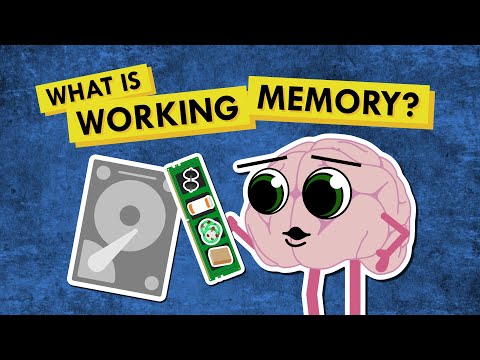
One major type of memory issue for people with ADHD is called “working memory” problems. This is basically your brain’s ability to hold onto information temporarily while you use it—for example, remembering what someone just said long enough to respond. If working memory isn’t strong, it can feel like thoughts slip right through your fingers.
Think about a time you were in a conversation and lost track of what was said—maybe someone mentioned a great new restaurant and then poof! That thought vanished into thin air. It’s frustrating!
Emotional Factors at Play
Now here’s the kicker: emotional factors can play a huge role too! Stress and anxiety can make those memory problems even worse. Sometimes, if you’re overwhelmed, your brain gets all jammed up and can’t retrieve information easily. It’s like trying to find an item in a messy room; when things are disorganized mentally, it’s tougher to locate what you’re looking for.
Poor Sleep
Another factor that often gets overlooked is sleep—or rather lack of it! People with ADHD might struggle with sleep patterns which could worsen memory issues further. Not getting enough zzz’s impacts cognitive functions and that could lead to an even tougher time remembering things during the day.
Coping Mechanisms
So, how do you cope? Here are some helpful strategies:
- Create Routines: Keeping things organized helps a ton! Try establishing daily routines so tasks become automatic.
- Use Visual Aids: Write lists or use sticky notes—anything that keeps reminders in front of you.
- Avoid Multi-tasking: Focus on one task at a time; multitasking can make it harder to remember details.
- Pace Yourself: When under stress, take breaks—give your brain some breathing room.
- Simplify Information: Break down complex tasks into smaller chunks; this makes them easier to handle.
You know what else? Seeking professional help can be key too! Therapists who specialize in ADHD can offer personalized strategies tailored just for you.
Memory challenges with ADHD may feel daunting sometimes—but knowing you’re not alone and having tools at hand can really make a difference in managing daily life more smoothly.
Understanding ADHD Forgetfulness: Real-Life Examples and Insights
So, let’s talk about ADHD forgetfulness. It’s a real thing for a lot of adults. You might have heard people say, “Oh, I forgot that!” but with ADHD, it goes way beyond just absentmindedness. It can feel like your brain is playing tricks on you all the time.
Basically, people with ADHD struggle with memory because their brains don’t always handle information the same way as others. It’s not that they’re not trying; it’s more like trying to catch smoke with your bare hands.
To break it down a bit more:
- Working Memory Issues: This is where you hold and manipulate information in your mind for short periods. If you have ADHD, this can feel like trying to juggle too many balls—one or more are bound to drop.
- Prospective Memory Challenges: Remembering to do things in the future can be tough. For example, you might remember to pick up groceries but forget which ones when you’re in the store—frustrating, right?
- Time Management Problems: Sometimes time gets away from us! Individuals with ADHD may underestimate how long tasks will take or lose track of time altogether.
I remember when a friend of mine was supposed to meet me for lunch. She got caught up at work and completely lost track of time—even though we’d planned it two weeks ahead! When she finally texted me an hour late, she apologized profusely. Her intention was good; her memory just wasn’t cooperating.
This brings us to how forgetfulness shows up in daily life:
- You walk into a room and completely blank on why you went there in the first place.
- You make appointments but forget them often or show up late because of poor planning.
- Your phone alerts remind you about important tasks, but maybe those reminders just get ignored after a while because they become background noise.
The thing is, this isn’t just about being disorganized—it actually affects relationships and self-esteem over time. You might feel like you’re letting everyone down when your brain doesn’t work the same way as others’. It’s tough! But being aware of these challenges can be really empowering.
If you’re dealing with ADHD forgetfulness yourself or know someone who is, acknowledging it as part of the condition can help decrease frustration. Plus, there are strategies out there—like using timers or keeping detailed calendars—that can really help manage everyday life better.
In short: Forgetting things is often par for the course when living with ADHD. And while it isn’t easy, understanding these challenges helps make navigating through daily life just a bit smoother!
Understanding the Impact of ADHD on Working Memory in Adults: Tips for Improvement
So, let’s talk about ADHD and how it messes with working memory in adults. You might be thinking, “What’s the big deal?” Well, let me break it down for you. Working memory is basically your brain’s notebook—it helps you keep track of info for short periods. If you’ve got ADHD, that notebook can feel more like a scribbled mess than an organized list!
People with ADHD often struggle with things like remembering instructions or managing tasks. Imagine trying to follow a recipe while someone keeps changing the steps on you—that’s kind of what it feels like in your head. It’s frustrating, right?
One of the tricky parts is that **working memory** isn’t just about remembering things; it affects planning and decision-making too. For example, if you’re at work and your boss gives you a project outline, holding onto those details while juggling emails or calls can be a nightmare.
Now, let’s dive into some ways to help improve working memory:
- Break Tasks Down: Instead of looking at the big picture, take things step by step. For instance, if you need to write a report, focus on gathering data first before diving into writing.
- Use Visual Aids: Create charts or diagrams. Sometimes seeing things laid out visually can help clear up some brain fog.
- Set Reminders: Use apps or alarms to remind yourself of deadlines or important tasks. This way, you won’t have to rely solely on your memory.
- Practice Mindfulness: Mindfulness techniques can help improve focus and reduce distractions. Taking even just a few minutes to breathe deeply can make a difference.
- Avoid Multitasking: It may seem tempting to juggle multiple tasks at once but that often backfires. Focus on one thing at a time—your brain will thank you!
Let me tell you about Rachel—a friend who has ADHD. She once struggled with keeping track of her meetings and deadlines until she started using a digital calendar with alerts. What actually happened? It changed her work life! She could finally focus on what was in front of her without panicking about forgetting something important.
So remember: **ADHD doesn’t define you**; it adds another layer to your uniqueness! With some strategies in place, getting through daily tasks can feel much more manageable. Just take baby steps—you’ll figure out what works best for your own wonderful brain!
So, let’s chat about ADHD and how it messes with memory, especially for adults. I mean, it’s pretty wild how many adults carry this label but don’t even realize it! Maybe you’ve felt that struggle — sitting in a meeting and completely zoning out or, like, misplacing your keys for the hundredth time. It’s tough, right?
I was talking to a friend not long ago who has ADHD. She shared this story about her trying to juggle work and life while often feeling like she’s living in a fog. She can be super creative and smart—like, she has great ideas! But sometimes remembering the details? That’s where things get fuzzy. She’d forget tasks her boss assigned or even important dates. It’s frustrating because she’s putting in the effort but still feels like she’s dropping the ball.
You see, for adults with ADHD, memory isn’t just about forgetting things; it can also feel kinda scattered—like having a bunch of tabs open in your brain but not knowing which ones are important! There are two big players here: working memory and long-term memory. Working memory is what helps you hold onto information for short bursts — like remembering a phone number long enough to type it in. But if you’re struggling with that as someone with ADHD? Man, it’s like trying to catch water with your hands!
It makes sense then why stress levels can skyrocket when you’re facing deadlines or responsibilities. You might think you’re just disorganized, but really it’s more about how your brain processes information! And that brings up something super critical: awareness and support. Many people don’t realize there’s help available — including therapy or even medication — that can really change the game.
But despite these challenges, folks with ADHD often develop unique strengths too—like being adaptable or finding creative solutions! The key is learning how to work around those hurdles rather than beating yourself up over them.
If you’re one of those adults feeling the weight of all this, know you’re not alone. Your experience matters, and figuring out coping strategies could seriously lighten that load. Whether it’s using planners or setting reminders on your phone (shout out to technology!), there are ways to help navigate this wild journey of adulting with ADHD. So let’s keep supporting each other through this ride—you got this!