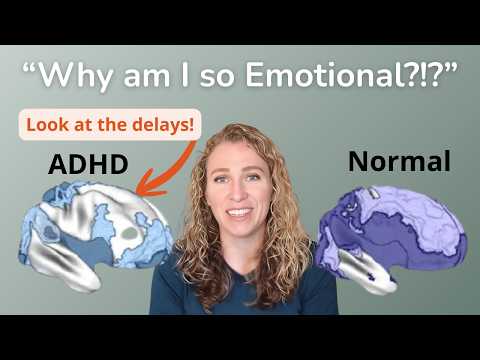
You know, ADHD can be a bit of a wild ride. One moment you’re focused and productive, and the next, your mind’s off on some totally unrelated tangent. It’s like your brain is the ultimate multitasker, but sometimes that causes a bit of chaos.
But here’s the kicker: mood regulation isn’t just an afterthought for those with ADHD. It’s crucial. Like, really crucial. You might find yourself swinging from happy to frustrated faster than you can say “impulse control.”
And it’s not just about feeling down or overly excited. It affects everything—relationships, work, even how you see yourself. So let’s unpack this a bit, yeah? There’s so much more to ADHD than what meets the eye!
Effective Strategies for Treating Emotional Dysregulation in ADHD
Emotional dysregulation can really make life with ADHD a rollercoaster ride. You know, one minute you’re feeling fine, and the next, you’re off the charts angry or sad. It’s a challenge for many people with ADHD, so finding ways to manage those emotions is super important. Here are some effective strategies that can help.
1. Mindfulness Practices
Mindfulness can help ground you in the present moment. Techniques like meditation or deep breathing exercises teach you to notice your feelings without getting swept up in them. For example, if you’re at work and suddenly feel overwhelmed, taking a few deep breaths and focusing on your breathing for just a minute can make a huge difference.
2. Cognitive Behavioral Therapy (CBT)
CBT is all about changing negative thought patterns into more positive ones. It’s particularly useful for those with ADHD who struggle with emotional responses. Let’s say you’re in an argument and think “I always screw things up.” A therapist can help you reframe that to something like “I made a mistake, but I can fix it.” That shift in thinking helps regulate emotions better.
3. Emotion Identification Skills
Sometimes, it’s hard to even know what you’re feeling. Learning to label your emotions is key! You might try keeping a mood journal where you write down what you’re feeling throughout the day and what triggered those feelings. Getting specific encourages better understanding of your emotions.
4. Expressive Outlets
Finding ways to express how you feel can lighten the emotional load—a creative outlet might be just what you need! Drawing, writing poetry, or even talking to friends about how you’re feeling lets out some steam when emotions run high.
5. Structured Routines
Creating structure in your daily life helps reduce chaos—which means fewer emotional spikes! Have set times for meals, work tasks, and relaxation periods so that your mind can predict what’s next instead of being caught off guard.
6. Social Support
Connecting with others who understand what you’re going through adds another layer of support when it comes to managing emotions. Whether it’s friends or family members who get ADHD or support groups where everyone shares their experiences—it matters!
Each person with ADHD experiences emotional dysregulation differently; that’s why mixing these strategies based on what feels right is crucial! Remembering that it takes time to find out which methods stick is all part of this journey too—don’t beat yourself up if things don’t change overnight!
Over time, using these techniques regularly leads to more stable moods and less emotional upheaval in everyday situations—you might start noticing how much easier things could be when you’ve got some reliable tools in your bag!
Top ADHD Medications to Enhance Emotional Regulation: A Comprehensive Guide
So, we’re chatting about ADHD and how it shakes hands with emotional regulation. First off, what’s ADHD? It’s a condition characterized by trouble focusing, impulsivity, and sometimes hyperactivity. But a big piece of the puzzle that often gets overlooked is how people with ADHD deal with emotions. Seriously—it can be a roller coaster ride.
Now, emotional regulation is all about managing those intense feelings. When you throw ADHD into the mix, things can get pretty bumpy. Sometimes you’re feeling on top of the world, and other times, it’s like a cloud just rolled in. Medications can really help smooth out those highs and lows.
In the world of ADHD meds, you’ve got two main types: stimulants and non-stimulants. Both aim to improve focus but also play roles in managing emotions.
Stimulants
These are usually the first line of defense for treating ADHD. They increase certain neurochemicals like dopamine and norepinephrine in your brain to help improve focus and attention.
Stimulants can sometimes level up your emotional control too. For example, when your focus improves, your frustration levels might drop because you’re not feeling scattered all over the place anymore.
But hey, they’re not one-size-fits-all! Some folks experience side effects like anxiety or mood swings while on these medications. If that happens, you really need to chat with your doctor about alternatives or adjustments.
Non-Stimulants
Sometimes stimulants aren’t enough or might cause problems for some people—like sleep issues or anxiety—so there are non-stimulant options too:
These work differently by targeting norepinephrine rather than dopamine directly. Atomoxetine is actually good for enhancing focus without that jittery feeling some get from stimulants. Plus, it can help with emotional stability as well.
Guanfacine helps calm down that racing brain without revving it up again like stimulants do. It’s often used when kids struggle to keep their cool in emotionally charged situations or when impulsive reactions are an issue.
Here’s where life gets real: Sometimes medications alone aren’t enough to tackle those mood swings or emotional challenges tied to ADHD. Pairing meds with therapy is where magic can happen! Cognitive-behavioral therapy (CBT) is super effective; it helps build skills to manage emotions better—like recognizing triggers before they blow up into an outburst.
It’s totally okay if you feel frustrated navigating this whole process! Finding the right medication takes time—and this journey looks different for everyone. Patience is key here!
One last thought: Keeping an ongoing conversation with your mental health provider will make a big difference in figuring out what works best for you. So don’t hesitate to reach out if something feels off or if you’re not seeing improvements!
In summary? Medications can enhance emotional regulation for those dealing with ADHD but might need some extra support through therapy too. Your experience is unique; embrace it until you find what fits just right!
15 Effective Strategies to Manage and Understand Explosive Emotions in ADHD
Managing explosive emotions when you have ADHD can feel like trying to tame a wild animal. Seriously, it’s a challenge. Sometimes it’s like your feelings jump out without a warning—boom! You’re overwhelmed and left wondering what just happened. But don’t worry; there are strategies to help you understand and manage those intense emotions better.
Recognize Your Triggers
One effective way to start is by identifying what sets off your explosive emotions. Maybe it’s frustration when tasks pile up or feeling ignored in conversations. Keeping a journal can really help pinpoint these moments. Write down how you felt and what happened right before that emotional surge.
Practice Mindfulness
Mindfulness is all about being present. When things start getting heated, take a step back and breathe. It might sound cliché, but focusing on your breath for just a minute can ground you and prevent that emotional explosion from happening.
Use Visual Cues
Color-coding your feelings can be pretty handy! Assign colors to different emotions; red can be anger, blue for sadness, and green for calmness. When you feel overwhelmed, glance at your color chart to recognize where you stand emotionally.
Create a Calm-Down Space
Find or create a safe spot—like your room or even a cozy corner at home—where you can retreat when emotions run high. Surrounding yourself with calming items such as soft pillows or fidget toys might help keep the chaos at bay.
Talk it Out
Sometimes emotional explosions happen because we keep things bottled up. Find someone you trust—could be a friend, family member, or therapist—and just chat about what you’re experiencing. Verbalizing those feelings helps release some of that pent-up energy.
Physical Activity
Exercise is not only good for physical health; it also helps release built-up tension in your body. Go for a walk, run around the block, dance in your living room—whatever gets your body moving! It’s amazing how much clearer everything feels after some physical activity.
Create Routines
Having daily habits can provide structure and predictability. Routines reduce confusion and anxiety since you know what to expect next; this can lessen the chances of emotional meltdowns.
Avoid Overstimulation
In our busy world filled with screens and noise, overstimulation is real! Try limiting distractions when possible—like turning off devices or finding quiet time during the day—to help maintain emotional balance.
Cognitive Behavioral Techniques
Cognitive Behavioral Therapy (CBT) strategies focus on changing negative thought patterns into more positive ones. When you’re feeling explosive, try challenging those thoughts: “This feeling won’t last forever,” or “I can handle this.”
Acknowledge Your Feelings
Instead of pushing away those strong emotions, acknowledge them! Recognize that it’s okay to feel angry or upset sometimes—it doesn’t mean there’s something wrong with you.
Meditation Practices
Meditation isn’t just for yogis! Just sitting quietly and shutting out the noise—even if it’s just for five minutes—can dramatically improve how well you’re able to manage emotional surges later on.
Create an Action Plan
When things get tough emotionally, having an action plan in place means you’ll know exactly what steps to take to regain control instead of spiraling out of hand with those intense feelings.
These strategies are not one-size-fits-all—they require practice and patience! Each person with ADHD experiences emotion differently; figuring out which tactics work best for you might take some time but will definitely pay off down the line. Remember: understanding these explosive emotions is half the battle!
ADHD and mood regulation; that’s a combo that a lot of people don’t think about unless they’re in it, you know? I’ve seen friends struggle with the rollercoaster of emotions while trying to manage their attention issues. It’s like, one minute they’re super excited about a project, and the next, they feel completely overwhelmed or even low. So let’s break it down a bit.
Attention-Deficit/Hyperactivity Disorder, or ADHD for short, isn’t just about being hyper or having trouble focusing. It can mess with your emotions too. Seriously! Some people find it hard to keep their feelings in check. If you have ADHD and something stressful happens—like messing up at work or having an argument—it can feel like your brain is on fire.
I remember a friend of mine named Jake. He always had this amazing energy; he was the life of the party! But when life threw him curveballs—like losing his job—he fell into this deep funk that seemed to come out of nowhere. It was hard watching him go from all those laughs to not wanting to leave his room.
Mood swings can often be tied to impulsivity too. You might feel happy and then suddenly flip to frustration without much warning. The brain chemistry involved is pretty complex but think of it like your emotions getting stuck on shuffle mode instead of playing straight through a playlist.
On top of that, ADHD often comes hand-in-hand with other mental health challenges like anxiety or depression. It’s like adding extra toppings on an already complicated pizza—who ordered all these? When you’re already juggling issues related to focus and attention, keeping your mood stable can sometimes seem impossible.
Therapy can help here! Cognitive Behavioral Therapy (CBT) is one approach that often works well for people with ADHD because it teaches you skills to manage those emotional ups and downs. You learn how to challenge negative thoughts and replace them with more realistic ones—you get those mental tools for when things get tough.
And let’s not skip over medication either! For some folks, meds can really help balance things out if that’s part of their treatment plan. Just keeps everything running smoother, you know?
So yeah, navigating ADHD and mood regulation can be quite tricky at times. If you find yourself becoming easily overwhelmed by feelings, reaching out for help is totally okay—even necessary sometimes! You’re not alone in this whirlwind; there are loads of resources available to support you through the chaos. Remember Jake? He eventually found ways to cope through therapy and built close connections with understanding friends who had been there too.
At the end of the day, figuring out how your brain works is key—acknowledging both the challenges and strengths associated with ADHD helps in getting better mental footing. It’s not always easy but staying openhearted about your journey will take you places you’d never expect.