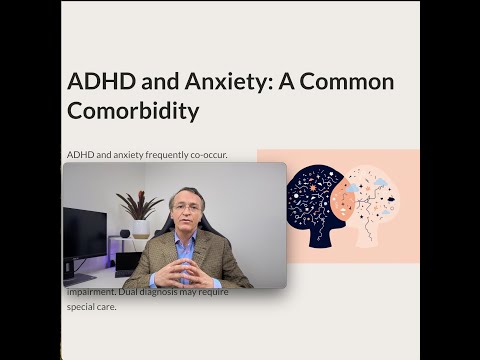
ADHD can be a bit of a rollercoaster, right? One minute, you’re zooming through tasks, and the next, it feels like your brain is stuck in traffic. But here’s the kicker: ADHD doesn’t usually come solo.
A lot of times, it brings friends along—like anxiety or depression. Imagine navigating all that chaos together! Seriously, it can be overwhelming. You know how sometimes you just want to hit pause and catch your breath?
Well, figuring out how ADHD fits with other disorders can really help you get a grip on things. Let’s chat about what that looks like in real life!
Understanding Coexisting Mental Health Conditions with ADHD: Key Insights and Guidance
So, let’s talk about ADHD and how it doesn’t usually come alone. You probably know that Attention Deficit Hyperactivity Disorder can make focusing feel like a real struggle. But what’s interesting is that many people with ADHD also deal with other mental health conditions at the same time. This is called coexisting or comorbid disorders. It’s a lot to juggle!
Common Coexisting Conditions
When you have ADHD, you might find it pairs up with various other issues. Here are some of the more common ones:
- Anxiety Disorders: A lot of folks with ADHD experience anxiety, whether it’s general worry or something more specific like social anxiety. Imagine feeling anxious just thinking about talking to someone new!
- Depression: With all the challenges that come from managing ADHD—like academics or relationships—depression can sneak in too. Feeling “down” sometimes seems par for the course when frustration mounts.
- Learning Disabilities: Many people with ADHD may also struggle with learning disabilities, making school tougher than it already is! You might find math hard if reading is your main struggle.
- Oppositional Defiant Disorder (ODD): Some kids, especially younger ones, show defiance and anger towards authority figures. This often tags along with ADHD.
- Bipolar Disorder: Though less common, there are instances where individuals can be diagnosed with both bipolar disorder and ADHD, which adds another layer of complexity.
The Overlap of Symptoms
Now here’s where it gets tricky! Some symptoms overlap between these disorders, which makes getting a clear picture rather difficult sometimes. For example, both ADHD and anxiety can cause restlessness and trouble concentrating. So figuring out what’s really going on gets complicated.
Imagine struggling to sit still because you’re anxious while also feeling like your mind just won’t quiet down because of your ADHD—it’s like being stuck in a mental tug-of-war!
Poor Self-Esteem
Having multiple conditions can seriously mess with self-esteem. Let’s take Sarah as an example: She has ADHD and anxiety, always feeling different from her peers in school. The constant self-doubt can weigh heavy on her heart.
This leads to a cycle—a bad day at school might spark increased anxiety which then makes her feel worse about herself… it just keeps spiraling.
Treatment Approaches
Treating coexisting conditions isn’t one-size-fits-all; you’ve got to think holistically here! A combo of therapy and medication often works best.
- Cognitive Behavioral Therapy (CBT): This helps you change negative thought patterns into healthier ones—giving you better tools for tackling everyday stressors.
- Medication: Sometimes doctors will prescribe stimulants for ADHD alongside medications that target anxiety or depression specifically.
- Lifestyle Changes: Regular exercise and good sleep hygiene are crucial too! These things really help stabilize mood swings and boost overall mental well-being.
The Takeaway
Living with both ADHD and another condition? You’re not alone—not by a long shot! Understanding these coexisting scenarios gives clarity when managing them becomes overwhelming.
Always remember: reaching out for help is okay! Connecting with professionals who grasp the nuances of these overlapping conditions might just lighten that load you’re carrying around every day.
Unlocking Focus: Understanding the 10-3 Rule for Managing ADHD
Managing ADHD can feel like riding a roller coaster, right? Some days you’re on top of the world, and other days it’s just a struggle to stay focused. The 10-3 Rule is a neat little trick that can help you harness that focus when you need it most. So, what’s this rule all about?
First off, the basic idea is simple. You work in bursts. Basically, you set yourself up for 10 minutes of focused work followed by a 3-minute break. Sounds easy enough, huh? But there’s more to it than just timing.
During those 10 minutes, dive into a task that demands your attention. It could be anything from studying for an exam to writing an email—whatever requires concentration. The goal here is to truly zero in on that task and not let distractions sneak in.
Now, after those intense 10 minutes are over, take those 3 minutes to recharge. Get up! Move around! Grab a snack or take some deep breaths. This short break helps clear your mind so you don’t feel overwhelmed or burnt out.
Some people with ADHD find this technique super helpful because it breaks tasks into manageable chunks instead of feeling like they have to power through hours of work at once—which can really be daunting.
You might be wondering how this relates to coexisting disorders. Well, many folks with ADHD have other issues like anxiety or depression whirling around in their minds too. The 10-3 Rule can help by providing structure and predictability, which are super beneficial for managing those feelings of chaos that anxiety often brings.
Also, consider setting reminders or using timers on your phone or computer! Setting a visual cue can keep you anchored during those 10 minutes and remind you when it’s time for your break.
And while this method isn’t one-size-fits-all—everyone’s brain works differently—it’s definitely worth giving a shot if you’re looking for ways to boost focus and make tasks feel less overwhelming.
To wrap it all up:
- Your brain deserves breaks—like seriously.
- The structured bursts can help create patterns that make focus easier.
- This rule fits well with other mental health challenges.
- You never know until you try!
So go ahead, give the 10-3 Rule a whirl! You might just find yourself cruising through your tasks with more ease than you’d expected.
Understanding the 24-Hour Rule for Managing ADHD: Tips and Insights
Managing ADHD can be a tricky business, especially when you throw in other mental health conditions. One concept that comes up often is the **24-Hour Rule**. It’s pretty simple but can be kind of life-changing if you get it right. The basic idea? It encourages you to wait at least 24 hours before reacting to situations that might trigger impulsive behavior or emotional responses.
So, what’s the deal with this rule? Well, it gives you a moment to breathe before you say or do something you might regret later. Think about it—how many times have you shot off an email or blurted out something during a heated moment? Yeah, it happens to the best of us! This rule is all about slowing down those knee-jerk reactions.
Why is this important for people with ADHD? People with ADHD often struggle with impulse control. Your brain just wants to jump into action sometimes, without giving much thought to the consequences. But when you apply this 24-hour waiting period, it gives your mind time to process and consider other perspectives. You know? Like taking a step back and actually thinking things through instead of diving headfirst into the deep end.
Now let’s break down some tips on how to make this work:
- Practice Mindfulness: Start incorporating mindfulness techniques into your daily routine.
- Use a Timer: Set a timer on your phone for 24 hours if that helps remind you.
- Journaling: Write down your feelings and thoughts before acting on them.
- Talk It Out: Share what you’re feeling with someone close before making decisions.
- Avoid Triggers: Identify situations or people that tend to spur impulsive reactions.
It might take some time to really get the hang of this rule. Don’t beat yourself up over slip-ups! Seriously, it’s like learning how to ride a bike—you’re going to wobble around until you find your balance.
And here’s something interesting: combining ADHD with coexisting disorders like anxiety or depression can ramp up these impulsive tendencies. You might feel even more compelled to act quickly without thinking things through since emotions are running high. So applying this 24-Hour Rule could really help create some much-needed space between emotion and action.
Remember how I mentioned using mindfulness? It’s super helpful because it trains your brain—like working out but for mental stamina! Instead of spiraling into panic or frustration, practicing mindfulness can ground you in the moment and steer clear from those rash decisions.
Let’s face it; life can throw curveballs at us all—ADHD or not. But having tools like the **24-Hour Rule** in your back pocket can make navigating those moments way less stressful and way more manageable over time!
In wrapping things up, think of the **24-Hour Rule** as your mental safety net—a pause button for your brain when everything gets overwhelming. Give yourself grace while practicing this approach; it’s all about progress, not perfection!
So, let’s chat about ADHD and how it doesn’t always like to hang out alone. You know, it’s pretty common for folks with Attention-Deficit/Hyperactivity Disorder to also deal with other mental health issues, like anxiety or depression. It’s like they’re all crashing the same party, and honestly, it can get a little chaotic.
I remember this one friend of mine, right? She was super bright and creative but always felt scattered. Turns out she had ADHD but also struggled with anxiety. Just imagine her trying to focus on a project when her mind’s racing a hundred miles an hour about all the “what ifs” in life. It was exhausting for her! She wasn’t just dealing with hyperactivity or distractibility; there were layers upon layers of feelings that made things even tougher.
So, ADHD itself is this tricky mix of inattention, hyperactivity, and impulsivity. But when you throw anxiety into the mix? Yikes! Suddenly, simple tasks feel monumental because you’re not just fighting against distractions; you’re battling this looming sense of worry too.
Then there’s depression. That can creep in alongside ADHD as well. Imagine feeling overwhelmed by everything you want to achieve but feeling stuck instead—like pushing a boulder up a hill only for it to roll back down every time you make progress. It can be heartbreaking.
What’s wild is that the symptoms can sometimes overlap or even mask each other. Like someone may think their struggles are purely because of ADHD when really it’s also connected to how they’re feeling emotionally overall. So figuring it all out can feel like trying to untangle a ball of yarn—it takes patience and sometimes some help from professionals who really get the nuances.
And here’s where treatment gets interesting: it often needs to be tailored uniquely for each person. Different combinations of therapy or medications might work better depending on what part of the tangled mess is most dominant at that moment.
At the end of the day, navigating life with ADHD and coexisting disorders isn’t easy at all. But recognizing that many people walk this journey helps break down stigma and makes you realize—hey—you’re not alone in facing this wild ride called life!