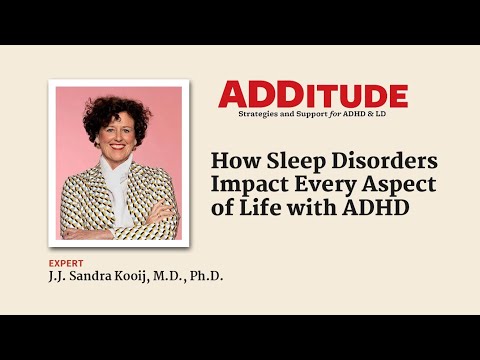
You know, sleepless nights can really mess with your head. And if you throw ADHD into the mix, it’s like a double whammy. Seriously, it’s not just about counting sheep anymore.
Many adults with ADHD find themselves struggling to catch those Zs. Ever lay awake, mind racing? It can feel exhausting. But here’s the thing: understanding how ADHD and sleep disorders connect might just help you find some peace.
So, let’s chat about it! You’ll see how this connection plays out and what you can do to improve your sleep—and your mental health.
Understanding ADHD Sleep Problems in Adults: Tips for Better Rest and Well-being
Understanding ADHD Sleep Problems in Adults
So, if you’ve got ADHD, you might’ve noticed that sleep doesn’t exactly come easy. A lot of adults with ADHD struggle with sleep issues, and it’s a real bummer because we all know how important good rest is for our well-being. But what’s the deal? Why does this happen?
People with ADHD often have racing thoughts, right? Like, your mind just goes into overdrive when you’re trying to wind down. This can make it tough to get settled into sleep mode. You might find yourself laying there for ages, counting sheep and still wide awake.
And here’s the kicker—there’s a connection between ADHD and other sleep disorders. Insomnia is super common among adults with ADHD. Then there’s also something called restless legs syndrome, where you feel this weird urge to move your legs at night. It’s annoying! Plus, sleep apnea can sneak in too, causing breathing interruptions while you catch those Zs.
Ok, let’s break it down a bit more. Here are some
Now, let’s talk about some things you can do to try and get better sleep. Here are some
You might also want to consider talking to a healthcare professional if you’re hitting roadblocks in improving your sleep. They could suggest behavioral therapy or medication options tailored to help manage both the ADHD and related sleep issues.
The bottom line? Dealing with ADHD-related sleep problems is tough but not impossible. By taking small steps toward establishing better habits and routines, you may find yourself getting more rest—and hey, feeling better overall too!
Understanding the Connection Between ADHD and Oversleeping: Causes, Effects, and Solutions
Understanding the connection between ADHD and oversleeping can be a bit of a head-scratcher. You know, people usually think of ADHD as all about being hyperactive or easily distracted. But there’s more to it than that, especially when it comes to sleep patterns.
Those with ADHD often face a unique set of challenges when it comes to sleep. Interestingly, oversleeping is one of them. This can happen for several reasons. First, individuals with ADHD might have irregular sleep schedules. When your brain is wired differently, sticking to a routine isn’t always easy. So, you could find yourself staying up late because you can’t turn off those racing thoughts or distractions.
There’s also this thing called “sleep inertia.” Basically, when someone with ADHD oversleeps, they might wake up feeling more tired than before. It’s like rolling out of bed into a fog that’s hard to shake off. You ever had that feeling? It really messes with your day.
In terms of causes, the link between ADHD and sleep issues isn’t fully understood yet. But studies show that people with ADHD often experience poor sleep quality and longer sleep durations than those without the condition. This could be due in part to co-occurring conditions like anxiety or depression that are common among folks with ADHD—both of which wreak havoc on sleep.
Now let’s talk about some effects. Oversleeping can lead to daytime fatigue and decreased focus—kind of ironic for someone already struggling with attention issues! Plus, if you’re continually sleeping too much, it might even worsen other symptoms of ADHD, creating this frustrating cycle where your brain is just not functioning right.
So what about solutions? There are definitely things you can try:
- Establish a routine: Going to bed and waking up at the same time every day helps regulate your body clock.
- Create a restful environment: Keep your bedroom dark and cool; limit noise.
- Limit screen time: Reduce exposure to electronics before bedtime; they mess with melatonin production.
- Mindfulness practices: Relaxation techniques like meditation or deep breathing can calm an overactive mind at night.
- Consult a professional: If oversleeping becomes chronic or affects daily life seriously consider speaking to a doctor.
Finding solutions takes some trial and error. For instance, one friend struggled with staying awake during meetings simply because she’d stay up too late scrolling through her phone—she decided to set aside her devices an hour before bed and saw some improvement in both her sleep and attentiveness.
Ultimately, understanding how ADHD affects sleep patterns—like oversleeping—is important for managing overall well-being. If you or someone you know is navigating this complex relationship between ADHD and sleep issues, it’s all about finding what works best for you in that journey toward better mental health!
Understanding ADHD Sleep Challenges in Children: Tips for Better Rest
ADHD can seriously mess with a child’s sleep. It’s like, they’re ready to party when it’s bedtime, right? This can leave both the kids and parents feeling exhausted. Let’s break down why this happens and some ideas to help improve rest for those kiddos.
First off, ADHD often comes with hyperactivity and impulsivity. You know how it feels sometimes—when your mind just won’t shut up? Kids with ADHD experience that tenfold. They may have trouble winding down after a busy day or even getting into that sleepy mode at all.
And then there are those sleep disorders. Children with ADHD are more likely to deal with issues like insomnia or restless leg syndrome. Imagine lying in bed, trying to catch some Z’s while your legs feel like they’re doing a dance of their own! No wonder sleep is tough for them.
Another thing to consider is the lack of melatonin, the hormone that helps regulate sleep. Research suggests children with ADHD might produce less melatonin than their peers. So, if their body isn’t helping them wind down naturally, that creates more struggle at bedtime.
Now here are a few strategies you could try:
- Consistent bedtime routine: Establishing a calming pre-sleep routine can work wonders. Think about things like reading a story, dimming the lights, or having quiet time together.
- Create a sleep-friendly environment: Make sure the bedroom is dark and cool. Sometimes even white noise can help mask other sounds that might keep them awake.
- Limit screen time: You’ve got to cut back on screens before bed! The blue light from devices can trick their brains into thinking it’s still daytime.
- Watch out for food: Avoid sugary snacks or caffeine in the late afternoon and evenings; those can definitely ramp up energy when you want them to chill.
- Meditation or relaxation techniques: Teaching some simple breathing exercises could really help calm their racing thoughts before drifting off.
Sometimes these challenges feel overwhelming, but small changes can make a difference over time. Even just one good night of sleep can shift everyone’s mood around!
So remember: understanding your child’s unique needs is key here. If things aren’t improving after trying these tips, reaching out to a healthcare professional could be beneficial to figure out any underlying concerns and explore more options together.
In short, juggling ADHD and sleep issues isn’t easy but hang in there! With patience and the right approach, better rest will come—just take it step by step.
You know, when you think about ADHD, it’s often all about the focus issues, right? Like, people picture bouncing off the walls or having a hard time sitting still. But there’s this other side to it—sleep disorders. Seriously, they often go hand in hand. So, imagine you’re an adult with ADHD. Your mind is a busy highway, and when night rolls around, your brain doesn’t just switch off easily.
I remember chatting with a friend who has ADHD. He’d tell me stories about tossing and turning at night, trying to chase sleep but getting stuck in his thoughts instead. Like, he’d lie there thinking of everything he didn’t get done that day or things he needed to do tomorrow. It’s exhausting just listening to it! Can you relate? It seems like anxiety gets mixed up in that cocktail too—worries swirling around making everything worse.
So here’s the thing: Adults with ADHD are at a higher risk of having sleep issues like insomnia or even sleep apnea. It makes sense when you consider all that mental chaos during the day spills over into the night. The lack of good sleep can make ADHD symptoms feel way more intense too—like mood swings or irritability hitting harder than usual.
But there are ways to tackle this combo of ADHD and sleep troubles! I’ve heard some folks find relief through therapy that focuses on managing both conditions at once. Cognitive Behavioral Therapy (CBT) could be particularly helpful—it teaches strategies for better sleep habits while also dealing with those racing thoughts.
Plus, setting a nice bedtime routine can work wonders too! Think calming activities: reading a book, maybe some light stretching, or even just sipping on chamomile tea while winding down. A simple fix but effective!
So basically—if you’re juggling ADHD and struggling with sleep—you’re not alone in this messy mix! Finding ways to manage both can lead to brighter days ahead. Seriously, remember that taking care of your mental health is super important and should come first!